Picking the right Elevator Motoris super important when you're kicking off a construction or renovation project. A good motor doesn’t just move things smoothly; it can really boost safety and efficiency too. But let’s be honest, a lot of folks stumble here — they often overlook some key details. Don’t worry, though — this guide’s got your back when it comes to figuring out how to choose the perfect elevator motor.
First off, understanding the specs is a must. Every elevator motor has different power ratings and load capacities, so think about what you actually need to Lift or transport — the weight, the size of the stuff, all that. Skipping this step could mean trouble down the line, like operational hiccups or even expensive repairs. Also, it’s smart to look into the brand’s reputation. A well-known, trusted brand usually signals a solid, high-quality product. Yeah, you might find some cheaper options from lesser-known brands, but they might not offer the support or durability you’ll need in the long run.
And don’t forget, installation isn’t just about making sure everything runs; it’s also about sealing the deal with safety regulations. Look for motors that come with clear, detailed installation instructions. Honestly, installing these things can get pretty tricky, so don’t hesitate to bring in a pro if needed. Cutting corners here? That’s just asking for trouble safety-wise. Honestly, taking the time to really evaluate what you need can save you a lot of headaches, money, and frustration later on. Doing your homework beforehand makes all the difference — trust me, it’s worth it.
Understanding the Role of Elevator Motors in Vertical Transportation
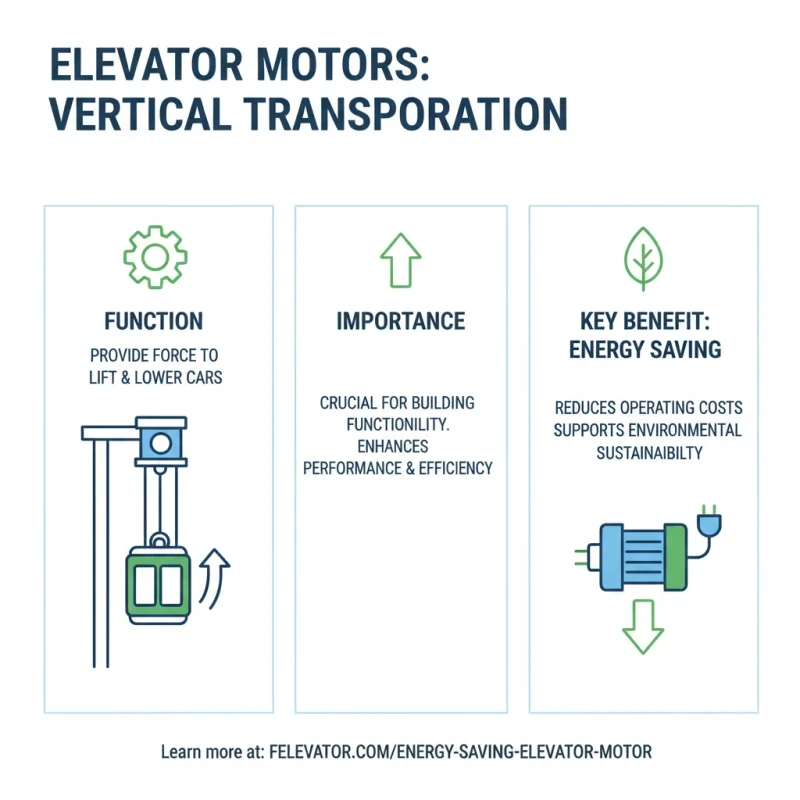
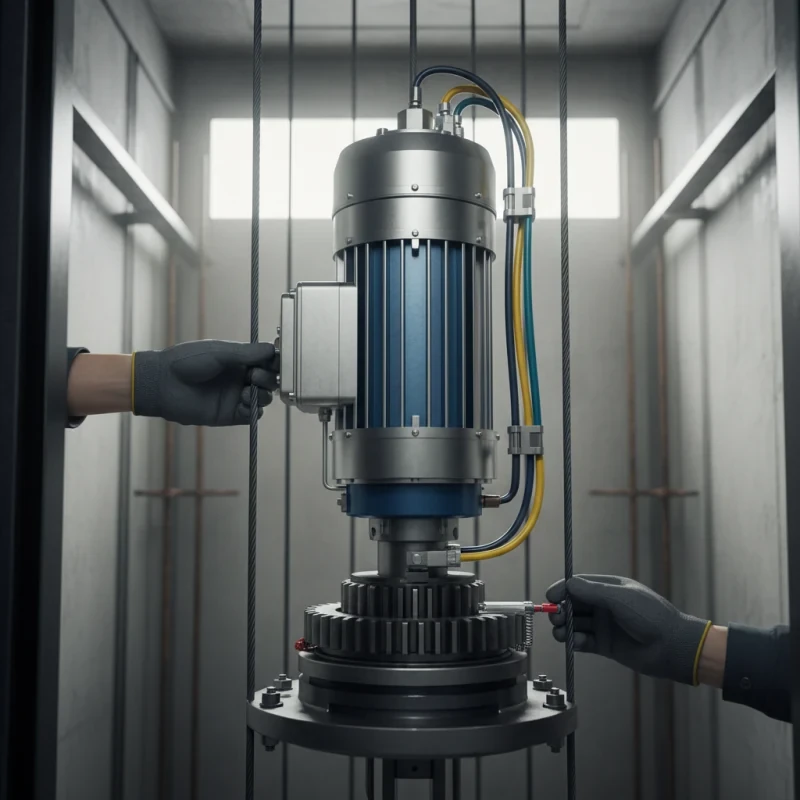
Elevator motors are crucial in vertical transportation systems. They provide the necessary force to lift and lower elevator cars. Understanding their role is essential for assessing building functionality. A well-chosen motor can enhance performance and efficiency. For instance, an Energy-Saving Elevator Motor can significantly reduce energy consumption. This not only lowers operating costs but also supports environmental sustainability.
Selection of the right motor requires expert insight. Consider aspects such as power capacity, speed, and control method. Key factors can be easily overlooked. Many assume that higher power means better performance. However, it’s important to balance power with efficiency. Often, the latest technologies can seem complicated. Yet, they promise improved reliability and longevity for installations.
Maintenance is another area that demands attention. Regular checks ensure motors operate optimally. Neglect can lead to unexpected failures. Building managers might underestimate the importance of timely servicing. Choosing an Energy-Saving Elevator Motor is a step toward sustainable design. However, it requires commitment and knowledge of modern technologies. Making informed decisions leads to long-term benefits.
Key Specifications to Consider for Elevator Motors
When selecting an elevator motor, certain specifications hold great importance. Power ratings, for example, directly influence performance. Most commercial elevators require motors ranging from 5 to 50 horsepower, depending on capacity and design. According to the International Association of Elevator Engineers, improper power selection can lead to operational inefficiencies.
Another crucial factor is the type of motor. Permanent magnet synchronous motors (PMSMs) are gaining traction. They offer higher efficiency and lower energy consumption compared to traditional induction motors. Research by the American Society of Mechanical Engineers indicates that PMSMs can save up to 30% in energy costs. However, they can be more expensive initially.
Consider the motor’s duty cycle as well. This refers to the frequency and duration of elevator usage. For heavy-duty applications, a motor designed for high cycles is necessary. Underestimating this can lead to faster wear and tear. In addition, inspect the motor’s thermal management system. Efficient cooling solutions can reduce overheating risks, extending the motor's lifespan.
Essential Tips for Choosing the Right Elevator Motor
| Key Specification | Description | Importance |
|---|---|---|
| Power Rating | Measured in horsepower (HP) or kilowatts (kW), indicates the motor's power output. | Essential for determining the motor's capability to handle the expected load. |
| Speed | Measured in RPM (revolutions per minute), indicates how fast the elevator will operate. | Critical for ensuring the elevator meets speed requirements for efficiency and safety. |
| Voltage and Phase | The electrical specifications required to power the motor, includes single-phase or three-phase configurations. | Key for compatibility with existing electrical systems. |
| Efficiency Class | Indicates how effectively the motor converts electricity into mechanical energy, such as IE3 or IE4 ratings. | Important for energy cost savings and environmental impact. |
| Torque | The rotational force the motor can produce, crucial for lifting capacities. | Important for ensuring smooth startup and operation under load. |
| Temperature Rating | Refers to the environment in which the motor can operate, including ambient temperatures. | Essential for reliability and longevity of the motor under specific environmental conditions. |
Types of Elevator Motors and Their Applications
Choosing the right elevator motor involves understanding various types and their applications. Generally, there are three primary types: AC motors, DC motors, and gearless motors. Each type has its unique features and suitable scenarios for use.
AC motors are widely used in commercial buildings. They are reliable, durable, and offer high efficiency. According to a report by the Elevator Industry Association, about 70% of elevators installed in high-rise buildings utilize AC motors. They are efficient for heavy-duty applications but may not provide the best performance in low-speed scenarios.
DC motors are often preferred for their precise speed control. They are typically used in residential elevators and low-rise applications. DC motors can offer smoother operation and accelerate quickly. However, they require more maintenance than AC motors, which can be a critical factor for some building owners.
Gearless motors are increasingly popular in modern elevator systems. They take up less space and provide improved energy efficiency. Research suggests that gearless systems can save up to 40% more energy compared to traditional geared motors. However, the initial investment is higher, and their application may not be suitable for every building. Each option has its pros and cons, necessitating careful consideration based on specific needs and budgets.
Evaluating Power Requirements and Efficiency Ratings
When selecting an electric motor for an elevator, power requirements are critical. Assess the weight capacity and the height of travel. Heavier elevators need more power. Look for motors that can handle peak loads efficiently. Remember, overloading an Electric Motor Elevator can lead to premature wear. It's vital to match the motor's specifications with the elevator's demands.
Efficiency ratings should not be overlooked. An electrically efficient motor can provide significant energy savings. Look for motors with higher efficiency ratings. These tend to last longer, reducing maintenance costs. However, the initial investment might be higher. It's a trade-off worth considering. Sometimes, lower-rated motors can be tempting, but they may increase energy costs over time.
Lifecycle costs matter, too. A cheaper motor might save money upfront but cost more long-term. It's essential to balance initial costs with long-term efficiency. Consider consulting with experts to make informed choices. The goal is to achieve reliability and performance. Reflect on the specific needs of your elevator system before making a decision.
Assessing the Reliability and Durability of Elevator Motors
When selecting an elevator motor, assessing reliability and durability is critical. A dependable motor ensures safety and decreases maintenance costs over time. Look for motors built with high-quality materials, as these often exhibit better performance and longevity. Additionally, consider the motor's load capacity. Ensuring the motor can handle the expected weight boosts reliability.
Investing in a robust elevator motor has its costs. Elevator Motor Price may vary based on specifications and manufacturers. Always compare different options and ask for detailed information regarding durability tests. Before making a decision, consult with experts. They can provide valuable insights based on real-world performance, enhancing your understanding of what to expect.
Pay attention to reviews and feedback as well. Gathering information from current users helps identify potential issues or advantages of a particular model. Don’t forget to check warranty policies. A solid warranty often reflects a manufacturer’s trust in their product's reliability. Ultimately, a thoughtful approach in selecting the right elevator motor will lead to better safety and efficiency.
Cost Considerations: Budgeting for Your Elevator Motor Choice
When budgeting for your elevator motor, it is vital to assess your needs carefully. The upfront cost is just one factor. Installation and maintenance can add significantly to your overall expenditure. Consider the power and capacity required for your specific application. Larger and more robust motors tend to cost more initially but may lead to savings in efficiency over time.
Also, think about the long-term costs. A cheaper motor might save you money now but could lead to higher operational costs later. Reliability is crucial for elevators. Investing in a quality motor can prevent frequent breakdowns, minimizing repair costs. It’s important to analyze warranties and service agreements as well. They reflect the manufacturer's confidence in their product.
Don't overlook energy efficiency when reviewing options. A motor that consumes less power can drastically reduce operating costs. While you may pay more upfront, the savings could outweigh the initial investment. Reflect on how your elevator functions in its environment. Humidity, temperature, and load frequency all play roles in motor lifespan. Evaluate each factor critically to guide your purchasing decision.
Maintenance and Support: Ensuring Longevity of Your Elevator Motor
When considering the longevity of your elevator motor, maintenance is key. Regular servicing can significantly extend the lifespan of your Elevator Gearless Motor. Industry reports indicate that neglecting maintenance can reduce performance by up to 30%. Therefore, establishing a routine check-up schedule is crucial. A professional inspection can identify minor issues before they escalate into costly repairs.
Lubrication, for example, plays a vital role in the operation of your elevator motor. Keeping parts well-lubricated reduces friction, preventing wear and tear. Data shows that 40% of motor failures stem from inadequate lubrication. Using the right maintenance practices can help mitigate these risks and enhance efficiency.
Support systems are equally important. Ensuring that you have access to expert guidance can foster better decision-making regarding repairs or replacements. Many companies offer extensive support packages, but not all may meet the highest standards. Thus, researching options and seeking recommendations can lead you to reliable service providers. Remember, an informed choice in maintenance and support can greatly improve the performance of your Elevator Gearless Motor.
Essential Tips for Choosing the Right Elevator Motor
| Factors | Importance Rating |
|---|---|
| Efficiency | 9 |
| Maintenance | 8 |
| Support | 7 |
| Cost | 6 |
| Durability | 8 |
This bar chart illustrates the factors to consider when selecting an elevator motor, including efficiency, maintenance requirements, and support availability. Each factor is rated on a scale from 1 to 10 based on importance as identified by industry professionals.
FAQS
: Reliability ensures safety and reduces maintenance costs over time. A dependable motor protects passengers and minimizes downtime.
Look for motors made of high-quality materials. These usually offer better performance and longer lifespan, leading to greater overall value.
Ensure the motor can handle the expected weight. An appropriate load capacity is essential for maintaining safety and efficiency.
Consider the initial cost, installation, and maintenance expenses. Balancing these factors helps create a more accurate budget for your motor choice.
Energy-efficient motors reduce operating costs significantly. The savings can outweigh the higher upfront cost over time.
Yes, a good warranty reflects the manufacturer's confidence in their product. It also provides peace of mind regarding reliability and performance.
Gathering feedback from current users highlights potential issues or advantages of different models. Real experiences can guide your choice effectively.
Experts offer valuable insights based on real-world performance. Their knowledge can enhance your understanding and help you make informed decisions.
Yes, cheaper motors may lead to higher operational costs later. Reliability issues can result in frequent repairs and downtime, negating initial savings.
Humidity, temperature, and load frequency impact a motor's durability. Evaluating these factors helps in selecting a motor suited to its operating environment.
Conclusion
Choosing the right elevator motor is crucial for ensuring efficient vertical transportation in buildings. Understanding the role of elevator motors involves recognizing their functions, which include powering the lift, providing smooth operation, and ensuring safety for users. When selecting an elevator motor, key specifications such as horsepower, voltage, and torque ratings should be carefully evaluated alongside different types of motors and their specific applications.
Additionally, assessing power requirements and efficiency ratings is vital for optimizing performance while managing energy costs. Reliability and durability are also paramount; a well-chosen motor can withstand heavy use and environmental conditions, prolonging its lifespan. Cost considerations, including budgeting for installation and maintenance, must be taken into account. Finally, ensuring ongoing support and maintenance will help maximize the longevity of your elevator motor, ultimately enhancing the overall operation and safety of the elevator system.
Related Posts
-
Global Market Insights and Predictions for Eieator Motors by 2025
-
10 Essential Tips for Maximizing Performance with Eieator Motors
-

Understanding Elevator Switch Technology: Enhancing Safety and Efficiency in Modern Lifts
-
Best High Quality Elevator Parts Factory Options to Consider
-

Global Suppliers Choose Us for the Best Elevator Control Panels Made in China
-

How to Choose the Famous Best Elevator Components Company for Your Needs?