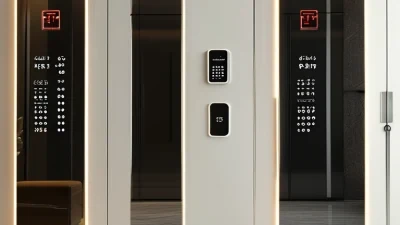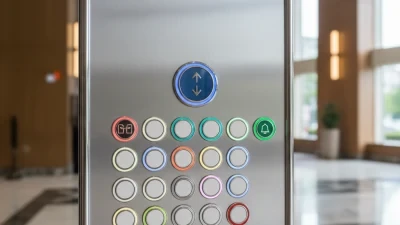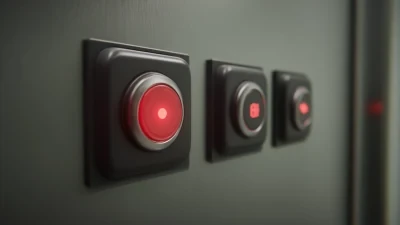
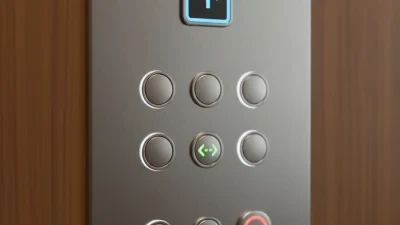
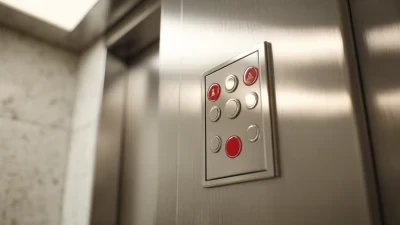
Picking the right Elevator Push Buttonisn’t just about looks — it’s really about safety and making life easier. Think of the push button as the main way folks control the elevator, so it kind of sets the tone for the whole experience. Stuff like high-quality buttons? They keep things running smoothly and last longer, which means fewer breakdowns and lower maintenance costs down the line.
When you're choosing an elevator push button, it’s good to consider things like the design, what material it’s made of, and how well it does its job. For example, a button in a busy, high-traffic building needs to be different from one in a quieter place. Also, keep in mind who’ll be using it — maybe bigger, more noticeable buttons are better for older folks or people with disabilities.
There are tons of options out there, but not all of them are reliable. Do your homework — look into different manufacturers and read reviews from real users. Some options might look super appealing at first glance, but if they don’t hold up over time, it’s not worth it. Big names like OTIS and Schindler have a solid reputation for quality. Just focusing on how good it looks without thinking about how well it works? That’s a mistake. Taking the time to figure out what you really need can save you a headache later on.
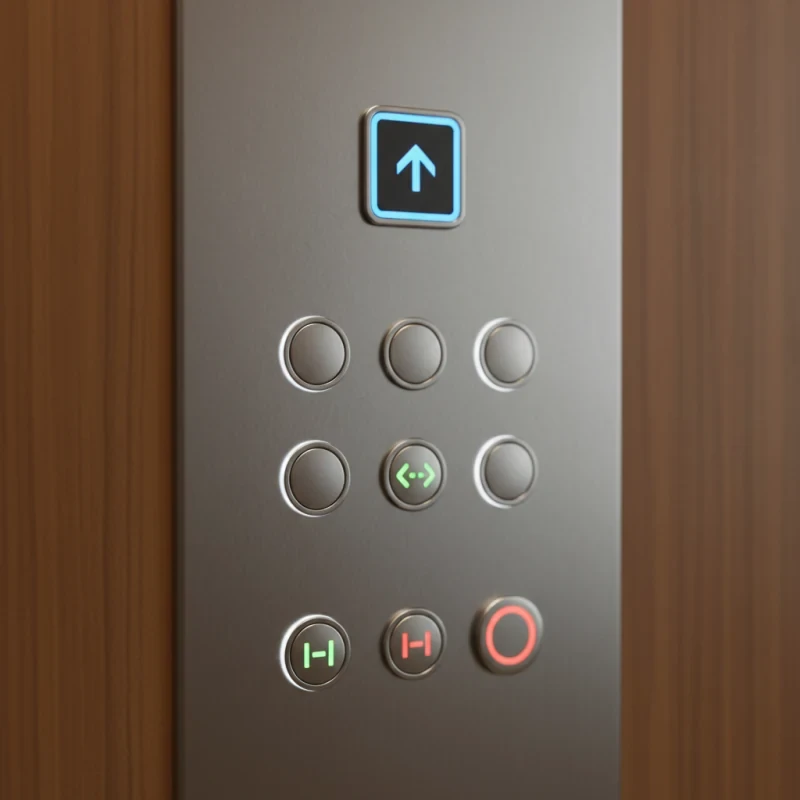
Understanding the Different Types of Elevator Push Buttons
When selecting an elevator push button, understanding the types is crucial. Push buttons are often categorized by their functionality and user interface. For instance, tactile buttons are designed for users with visual impairments. They provide a raised surface that can be felt easily. According to a report by the International Association of Elevator Engineers, tactile systems can improve accessibility by about 30%. This is a significant improvement in user experience.
Another type is the capacitive touch button. These buttons work with a light touch and offer modern aesthetics. They are often found in high-end buildings. Research from theElevator World estimates that capacitive buttons account for about 25% of the market. However, they may have drawbacks. Some users find them less responsive in certain conditions, like wearing gloves.
Lastly, consider your environment before choosing. An Elevator Push Button Panel in a busy hospital should prioritize durability. In contrast, a luxurious hotel might focus on design while still ensuring reliability. Each type of push button has its pros and cons. Balancing these aspects can lead to better user satisfaction.
Evaluating the Functionality and Features of Push Buttons
When evaluating the functionality and features of elevator push buttons, several factors come into play. The right button should not only be easy to use but also durable. A well-designed button ensures a seamless interaction for all users. This may involve tactile feedback and clear labeling to guide users effectively. Additionally, considering the size and placement is crucial. A button positioned too high may not be accessible for everyone.
Safety features are another essential aspect. The Best Elevator Push Button should include options like emergency stop functions or indicators. These features can provide peace of mind, especially in an emergency. Moreover, visual and audible alerts can enhance accessibility for visually impaired users.
Some designs might prioritize aesthetics over functionality, leading to problems. Users could find themselves confused by unclear iconography or non-intuitive layouts. Regularly assessing user feedback can be helpful in improving button designs. While innovation is necessary, balancing design and function is vital to ensure reliability and usability.
Assessing the Aesthetics and Design Options for Push Buttons
When selecting elevator push buttons, aesthetics and design are crucial. According to a recent industry report, 70% of building developers consider design as essential when installing new elevators. The look of push buttons impacts users' perceptions. Sleek, modern designs can enhance the overall elevator experience, making it feel safer and more inviting.
Material choice also plays a role in design. Stainless steel and tempered glass are popular options. These materials provide a contemporary feel. Interestingly, 45% of users prefer buttons that match the building's architecture. Developers must consider these preferences to create cohesive designs. However, achieving the perfect blend of function and aesthetics can be challenging.
Color and illumination of buttons matter too. Backlit buttons improve visibility in low-light settings. Data suggests that well-lit buttons can boost user confidence by 30%. However, excessive brightness might distract users or feel overwhelming. Designers must reflect on their choices to find the right balance. Every decision impacts user interaction. Thoughtful design can transform an ordinary elevator into an inspired space.
Considering the Durability and Material Quality of Push Buttons
When selecting an elevator push button, durability and material quality are crucial. Studies show that up to 70% of elevator downtime is due to button malfunctions. Choosing buttons made from high-quality materials can significantly reduce maintenance costs and improve reliability. For instance, stainless steel and durable plastics are commonly recommended due to their resistance to wear and tear.
Tip: Consider the environment. For high-traffic areas, opt for more robust materials that can withstand frequent use. Plastic buttons may wear out faster under heavy use.
Another factor is the push button’s resistance to elements like moisture and dust. A report from the Elevator Association indicates that buttons exposed to such conditions can fail 30% sooner than those in controlled environments. Hence, sealing technology is essential. Buttons with IP-rated enclosures offer better protection.
Tip: Evaluate your specific needs. If your elevator services a hospital or shopping center, invest in buttons that endure high usage. The upfront cost may seem high, but the long-term savings in repairs can be significant.
Durability and Material Quality of Elevator Push Buttons
| Label | Durability Rating (1-10) |
|---|---|
| Plastic | 6 |
| Metal | 8 |
| Stainless Steel | 9 |
| Glass | 7 |
Checking Compliance with Accessibility Standards in Push Buttons
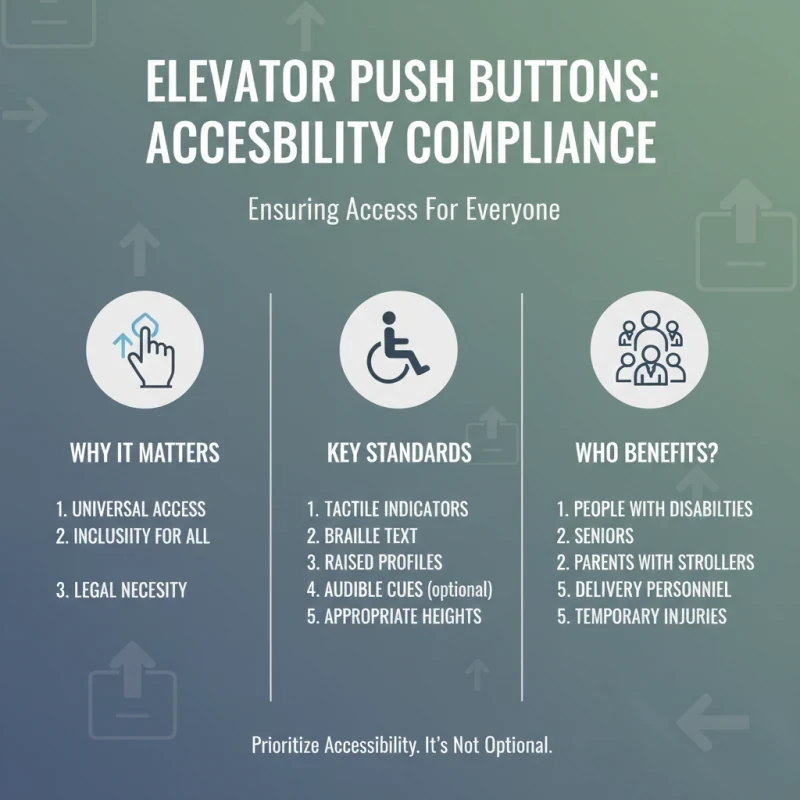
When selecting elevator push buttons, it's crucial to prioritize accessibility. Accessibility standards are designed to ensure everyone can use elevators, regardless of physical ability. Compliance with these standards is not merely a suggestion; it’s a necessity. Elevators need to accommodate a diverse range of users. This includes people with disabilities, seniors, and those carrying heavy items.
Push buttons should be positioned at an appropriate height for all users. They must be easy to locate and operate. Clear labeling is essential. Visual and tactile indicators help in identifying the buttons, enhancing usability. However, achieving these standards can be challenging. Not every elevator meets the necessary requirements. Some buttons may be too high or poorly marked. This lack of thought can hinder mobility.
Incorporating feedback from users can significantly improve button design. Users may find flaws that manufacturers overlook. Regular assessments of push button locations and functionalities help ensure ongoing compliance. Living up to accessibility standards is an ongoing process. Investing in these elements supports inclusivity and reflects a commitment to user needs. It's essential to remember that accessibility is not a one-time checklist but an evolving standard.
Reviewing the Installation and Maintenance Requirements
When selecting the right elevator push button, installation and maintenance are critical aspects to consider. Industry reports indicate that proper installation can reduce operational issues by up to 30%. A straightforward installation process is vital for minimizing downtime. It is essential to follow manufacturer guidelines closely for the setup. Many elevators now require fewer tools and simpler connections, reducing the chances of human error during installation.
Maintenance is another key factor in ensuring the longevity of elevator push buttons. Regular inspections can detect wear and tear, preventing major repairs. A survey among facility managers revealed that proactive maintenance can extend the life of components by approximately 20%. Dust and grease buildup on push buttons can lead to malfunctioning. Keeping these areas clean is a simple yet effective maintenance tip.
When selecting the Best Elevator Push Button Panel, consider ease of cleaning and accessibility. Opt for materials that withstand frequent use. Anti-microbial finishes are ideal for maintaining hygiene. Regularly check for accumulated grime to ensure functionality. By prioritizing both installation and maintenance, you can create an efficient elevator system that meets your needs effectively.
Analyzing Cost-Effectiveness and Warranty Options for Push Buttons
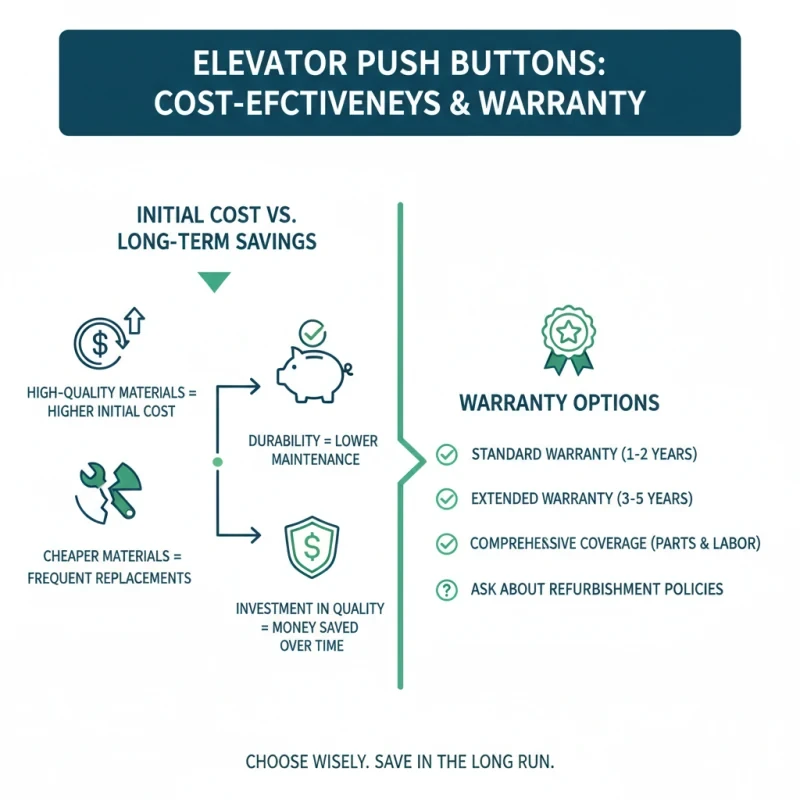
When selecting elevator push buttons, cost-effectiveness plays a vital role. High-quality materials can increase the initial purchase cost. However, they often lead to lower maintenance expenses over time. Durable buttons last longer, reducing the frequency of replacements. Investing in quality can save money in the long run.
Warranty options are another critical consideration. A longer warranty typically indicates a manufacturer's confidence in their product. It also offers peace of mind. If a push button fails, a solid warranty can cover repair or replacement costs. Shorter warranties might save some money initially but can lead to unexpected expenses.
Consider the specific needs of your building. Busy environments might require more robust buttons. Lesser-used installations could benefit from economical options. Evaluating the balance between cost, quality, and warranty is essential. Opt for what aligns best with your usage patterns and budget.
Comprehensive Guide to the P366722B000G15 LCD Display Board for Mitsubishi Elevator Parts and Lift Accessories
The P366722B000G15 LCD Display Board serves as a crucial component in the operation of Mitsubishi elevator systems. Designed specifically for lift applications, this display board is engineered for clarity and functionality, enabling operators and passengers to monitor key lift information effortlessly. The high-resolution LCD screen ensures visibility even in varying lighting conditions, making it an essential accessory for a modern elevator system.
In addition to its display capabilities, the P366722B000G15 board is equipped with various features that enhance user experience. It integrates seamlessly with elevator controls, providing real-time updates on floor locations, door status, and other essential operational messages. This functionality not only improves safety but also contributes to an efficient and smooth elevator operation. As elevators increasingly incorporate advanced technology, the importance of reliable display systems like the P366722B000G15 cannot be overstated.
For maintenance and repair purposes, sourcing the right replacement parts is vital. With the P366722B000G15 LCD Display Board, technicians can ensure that elevators continue to provide safe and efficient service. This board is an invaluable asset in a comprehensive toolkit for elevator maintenance, emphasizing the necessity of high-quality components in keeping lift systems running smoothly.
FAQS
: The main types include tactile buttons, capacitive touch buttons, and traditional push buttons.
Tactile buttons provide a raised surface, improving accessibility for users with visual impairments.
They may be less responsive when users wear gloves or in certain environments.
High-quality materials reduce maintenance costs over time, saving money in the long run.
A longer warranty provides peace of mind and shows the manufacturer’s confidence in their product.
Consider the building’s usage; busy places need durability, while luxury environments prioritize design.
Check the warranty to see if it covers repair or replacement costs.
Balance functionality, cost, and aesthetics according to your building’s needs and user preferences.
Economical options may suffice, as they reduce initial costs without compromising too much on quality.
Some buttons may not respond well in extreme conditions or with barriers like gloves.
Conclusion
When selecting the best Elevator Push Button for your needs, it's essential to understand the various types available, such as standard and illuminated options, to ensure functionality aligns with user preferences. Evaluate the features these buttons offer, including ease of use and response time, while considering aesthetics to match your elevator's design.
Durability and material quality are crucial for long-term performance, so choose buttons that withstand daily wear and tear. Additionally, ensure compliance with accessibility standards for all users. Installation and maintenance requirements should also be taken into account to avoid unforeseen costs. Lastly, analyze cost-effectiveness and warranty options to make an informed investment in your elevator system.
Related Posts
-

Future Innovations in Elevator Button Panels: Trends to Watch in 2025
-

Mastering Elevator Safety: Essential Techniques for Choosing the Best Elevator Switch
-
How to Select the Perfect Elevator Push Button for Your Building's Efficiency and Safety Needs
-

Discover the Next Generation of Elevator Switches for Enhanced Safety and Efficiency
-
Exploring Unique Examples of Innovative Elevator Components and Their Impact
-

Exploring Alternative Solutions for Elevator Controls Corp: What You Need to Know