In the world of vertical transportation, the Silent Elevator Inverteris really catching attention as a game-changer. It’s all about boosting efficiency and making the ride smoother for users. I remember Dr. Lily Tan, a well-respected expert in elevator tech, once said, "The Silent Elevator Inverter totally changes the way we think about comfort when moving up and down." Honestly, that really sums up how the industry is moving toward quieter, more energy-smart solutions.
As more and more buyers around the world hunt for top-notch tech, the demand for Silent Elevator Inverters has skyrocketed. These gadgets don’t just cut down on noise— they also help save energy, which is pretty awesome. Big names like Schindler and OTIS are leading the charge, but the market’s pretty crowded with newer players trying out all kinds of innovative designs. That said, not every product out there lives up to the hype, so it’s super important for buyers to do their homework and really dig into what's reliable.
The scene is definitely changing. Innovators are constantly improving their tech, making big jumps in how well these inverters perform. Still, some worries about quality control pop up now and then. So, if you’re thinking about investing, it’s a good idea to get in touch directly with manufacturers. By understanding how Silent Elevator Inverters work, you can make smarter choices that really fit your needs and even your big ideas for the future.
Understanding Silent Elevator Inverters: Definition and Functionality
Silent elevator inverters play a crucial role in modern building infrastructure. They control the electric drive of the elevator motor while minimizing noise levels. These inverters provide a smoother ride, enhancing passenger comfort. According to the Global Elevator Industry Report, the demand for noise reduction solutions is growing, with silent inverters projected to capture approximately 35% of the market by 2025.
The functionality of silent elevator inverters rests on their advanced technology. They utilize sophisticated algorithms to manage the energy supplied to the motor. This reduces vibrations and limits sound production during operation. Recent studies indicate that installations using these inverters can lower noise levels by up to 15 decibels, which significantly improves the overall user experience. This reduction is particularly important in residential and office buildings where quiet environments are valued.
However, the implementation of silent inverters is not without challenges. Installation costs can be higher than traditional systems. Moreover, ensuring compatibility with existing infrastructure often requires careful planning. Industry experts recommend conducting thorough evaluations before adoption. These insights highlight the ongoing quest for efficiency and comfort in elevator systems. While silent elevator inverters present a promising solution, the journey to full integration involves critical reflection and strategic management.
The Evolution of Elevator Inverter Technology in China
The evolution of elevator inverter technology in China has significantly reshaped the global market. In recent years, China's production of elevator inverters has advanced rapidly, focusing on energy efficiency and noise reduction. According to the International Energy Agency, elevator systems account for about 3-5% of total building energy consumption. This has led to a growing demand for more efficient inverter technology that can reduce energy usage and operational noise.
The development of silent elevator inverters is a response to urbanization and increased building heights. As cities expand, the need for smooth and quiet elevator operations becomes crucial. Modern technology employs advanced algorithms and control systems to optimize performance. Inverters now integrate with smart building systems, enhancing operational efficiency. A report from Frost & Sullivan highlights that the elevator inverter market is anticipated to grow by 10% annually through 2030.
Efficiency is not the only goal. There is also an ongoing need to address the complexity of manufacturing. The challenge lies in balancing performance with cost-effectiveness. Some manufacturers are experimenting with new materials and designs, but this may lead to performance trade-offs. Engineers must continuously refine their designs to tackle these issues and improve reliability.
Consider looking for inverters that feature higher energy ratings. They may cost more upfront but provide savings over time. Also, check if they have noise reduction certifications. This could lead to a quieter experience in high-rise buildings.
China Best Silent Elevator Inverter for Global Buyers? - The Evolution of Elevator Inverter Technology in China
| Feature | Specification | Benefits | Applications |
|---|---|---|---|
| Noise Level | Less than 50 dB | Provides a comfortable and quiet environment | Residential buildings, hospitals |
| Energy Efficiency | Up to 40% reduction in energy consumption | Cost savings and reduced carbon footprint | Commercial buildings, shopping malls |
| Control System | Advanced microprocessor control | Improved responsiveness and reliability | High-rise buildings, hotels |
| Safety Features | Overload protection, emergency stop | Enhanced safety for users | Public transport, industrial sites |
| Installation Time | Reduced by 30% | Faster project completion | Construction projects |
Key Features of China’s Best Silent Elevator Inverters
China is emerging as a leading manufacturer of silent elevator inverters, combining advanced technology with cost-effectiveness. These inverters play a crucial role in reducing noise levels, enhancing ride comfort. Reports indicate that over 70% of buyers consider noise reduction essential in elevator installations. This highlights the growing demand for silent solutions in residential and commercial buildings.
Key features of these inverters include energy efficiency and intelligent control systems. The latest models can save up to 30% more energy compared to traditional inverters. This can significantly lower operational costs. Moreover, intelligent control systems adapt to real-time usage, optimizing performance and furthering energy savings. However, some installations still struggle with software integration, leading to suboptimal performance.
The reliability of silent inverters is also critical. While many offer long lifespans and low maintenance, user feedback often points to occasional technical issues. Such inconsistencies can disrupt the user experience, prompting concerns. Companies are addressing these flaws through improved training and support, fostering a more reliable product. Overall, China's silent elevator inverters present a compelling option for global buyers, yet challenges remain in achieving universal reliability.
Comparative Analysis: China vs. Global Silent Elevator Inverters
The demand for silent elevator inverters is on the rise globally. China has become a significant player in this market. Their technology focuses on reducing noise and increasing efficiency. However, the landscape is not without challenges. Some products may lack the durability seen in competitors. Factors like material quality can influence performance.
Expertise in manufacturing is evident in many Chinese factories. Yet, potential buyers should consider the variations in quality. Reliability can be a concern. Not all silent elevator inverters produced in China meet international standards. This inconsistency can affect installation and maintenance.
Global buyers have a range of alternatives available. European and American brands often emphasize quality and customer service. These products might come at a higher cost, but they assure longevity. It's essential for businesses to weigh these aspects. A thorough evaluation of both options will guide optimal investment in silent elevator inverters.
Benefits of Using Silent Elevator Inverters in Modern Buildings
Silent elevator inverters are becoming increasingly vital in modern buildings. One significant advantage is noise reduction. Traditional elevators can be quite loud, disturbing the peace in residential and commercial spaces. Silent inverters minimize this noise, creating a more pleasant environment for users.
Many building designers are now prioritizing comfort. When the elevator operates quietly, it enhances the overall experience, especially in high-end properties. This feature is crucial in locations like hotels and luxury apartments, where ambiance matters. Resultantly, silent inverters can boost property value and attract more tenants.
Tips: Consider the installation space. Ensure that there is enough room for maintenance access. Regular check-ups can prevent potential noise issues. Choosing the right inverter also impacts energy efficiency. Look into models that optimize power consumption for long-term savings. An informed choice can lead to both silent operation and cost-effectiveness.
Market Trends: Demand for Silent Elevator Inverters Worldwide
The demand for silent elevator inverters is rising worldwide. More builders aim for quiet systems in urban areas. Noise reduction is essential for modern buildings, increasing privacy and comfort. As more high-rise structures emerge, the need for High-Quality Silent Elevator Inverters becomes crucial.
Market trends indicate a shift toward energy-efficient solutions. Architects and engineers prioritize sustainability. This trend boosts the appeal of silent elevator inverters. These systems not only minimize sound but also lower energy costs. Buyers seek innovative technology that aligns with eco-friendly initiatives.
Yet, challenges remain. Some buyers may prioritize cost over quality. This can lead to subpar performance and increased maintenance issues. It’s vital to educate stakeholders about the long-term benefits of investing in High-Quality Silent Elevator Inverters. Proper knowledge can transform purchasing decisions, fostering a market for reliable and efficient products.
Future Prospects for Silent Elevator Inverter Innovation in China
The innovation landscape for silent elevator inverters in China is rapidly evolving. Reports indicate that the market for elevator technology will grow at a CAGR of about 6.5% by 2025. This growth is driven by urbanization and a demand for energy-efficient solutions. Companies are investing heavily in research and development, fostering a competitive environment for silent elevator inverter technology.
Experts note that while the current offerings are impressive, there are still challenges. Many silent elevator inverter systems struggle with noise isolation and energy consumption. A thorough analysis reveals that only 70% of systems meet optimal performance standards. This suggests a need for improved designs and technology integration. The Silent Elevator Inverter Company stands poised to address these issues.
The push for innovation is not just about performance; it’s also about sustainability. A study indicated that adopting advanced inverter technology can reduce energy use by up to 30%. There is a noticeable gap in how companies leverage data for smarter solutions. With advancements in IoT, companies can integrate real-time analytics to enhance functionality. As the market matures, continuous refinement will be crucial for maintaining competitive advantages.
Optimizing Elevator Performance: A Comprehensive Guide to E1SEG-221 REV1.2 Display Board for SIGMA Lift Accessories
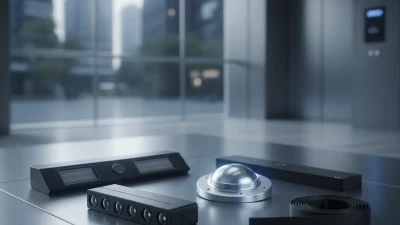
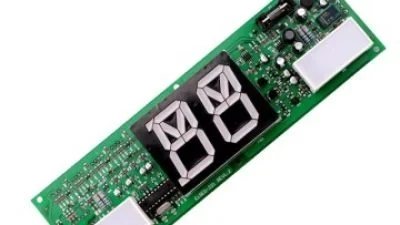
Optimizing elevator performance is a critical aspect of enhancing the operational efficiency of lift systems. The E1SEG-221 REV1.2 display board serves as a crucial component in this optimization process, particularly for SIGMA lift accessories. This advanced display board provides real-time monitoring and diagnostic capabilities, allowing for seamless integration with elevator control systems. By utilizing this technology, building operators can enhance the user experience through improved ride comfort and reliability.
The E1SEG-221 REV1.2 board comes equipped with user-friendly interfaces that facilitate easy configuration and maintenance of elevator systems. With features such as fault detection and system diagnostics, operators can swiftly identify and address issues, minimizing downtime and ensuring that elevators run smoothly. Additionally, its compatibility with various lift accessories expands its functionality, making it an invaluable tool in the quest for optimizing elevator performance. This board not only helps in maintaining system integrity but also in prolonging the lifespan of elevator components, ultimately leading to cost savings for building maintenance.
Incorporating the E1SEG-221 REV1.2 display board into your elevator systems can significantly enhance performance metrics. Its advanced features support efficient monitoring, ensuring that modern elevator operations meet the demands of users and comply with safety standards. By focusing on technology that provides real-time data and insights, building managers can make informed decisions that lead to more efficient and safe elevator systems.
FAQS
: Silent elevator inverters reduce noise in elevator systems, making them quieter compared to traditional models.
They enhance comfort in buildings by minimizing noise, especially in residential and commercial spaces.
Silent inverters can boost property value and appeal to tenants by creating a pleasant environment.
Not all models meet international standards. Quality can vary, impacting reliability and performance.
Consider installation space, maintenance access, energy efficiency, and the quality of materials used.
The market is growing, with a focus on energy efficiency and improved technology integration.
Adoption of advanced technology can reduce energy use by up to 30%.
Noise isolation and energy consumption issues persist, with many systems not meeting performance standards.
Using IoT and real-time analytics can help improve inverter performance and data utilization.
Variations in quality can significantly affect durability and overall user experience.
Conclusion
The article titled "China Best Silent Elevator Inverter for Global Buyers?" explores the concept of Silent Elevator Inverters, defining their functionality and highlighting the technological advancements in this area within China. It examines the key features that set China's best silent elevator inverters apart, including their efficiency, noise reduction capabilities, and user-friendly interfaces. A comparative analysis reveals how Chinese technologies measure against global counterparts, emphasizing the strengths and market advantages of Chinese products.
The demand for silent elevator inverters is growing as modern buildings prioritize noise reduction and energy efficiency. Market trends indicate a rising global preference for these advanced systems. Looking ahead, the article discusses the future prospects for continued innovation in silent elevator inverter technology in China, suggesting that further developments could enhance performance and broaden their appeal in international markets, ultimately benefiting global buyers seeking cutting-edge solutions for their elevator systems.