
Choosing the right elevator control system isn't something to take lightly — it can really make or break how smoothly a building runs.Elevator Controls Corp has a pretty broad selection of products designed to fit different needs, which is pretty handy. They’ve been around long enough to know their stuff, so they’re usually a solid choice when it comes to partnering up.
When you're shopping around, it’s worth thinking about things like whether the system works well with your existing setup and how easy it is for people to use. Elevator Controls Corp is big on modern tech, which is awesome. But, honestly, some folks feel a bit unsure about picking the right product — totally understandable, since there's so many options out there. That’s why chatting with someone who knows their stuff can really help clear things up.
Before you make a decision, take a moment to really think about what you need. Getting some expert advice from Elevator Controls Corp can give you the insights you need to make a smarter choice. At the end of the day, the more informed you are, the less likely you’ll run into any surprises or pitfalls.

Understanding Elevator Control Systems and Their Importance
Elevator control systems are essential for the smooth operation of modern buildings. They determine how efficiently elevators respond to calls and manage traffic flow. According to a recent industry report, over 70% of urban buildings are equipped with advanced elevator control technologies. These systems enhance safety and improve energy efficiency, which is a growing concern in today's world.
Choosing the right control system can be challenging. Start by assessing the specific needs of your building. Consider factors like traffic patterns and the speed of service required. A study by the International Elevator and Escalator Industry highlights that improper system selection can increase wait times by up to 30%, impacting user satisfaction.
Tip: Evaluate the energy consumption of different systems. Energy-efficient solutions can reduce operating costs significantly. Understand the potential return on investment.
Another point to reflect on is the importance of maintenance. Regular checks can extend the lifespan of control systems. Neglecting this can lead to unexpected breakdowns. According to the National Elevator Industry, proper maintenance reduces malfunctions by 50%.
Tip: Always monitor system performance metrics. Identifying issues early can save time and resources. Investing time in the right monitoring tools pays off.
Understanding Elevator Control Systems and Their Importance
| Factors to Consider | Importance Level (1-10) |
|---|---|
| Efficiency | 9 |
| Cost | 7 |
| Scalability | 8 |
| Support | 6 |
| Customization | 8 |
This chart illustrates the factors to consider when choosing elevator control systems and their respective importance levels. Each factor plays a crucial role in ensuring optimal performance and reliability in elevator operations.
Key Factors to Consider When Choosing Elevator Controls
Choosing the right elevator control solutions involves thorough consideration of several critical factors. One key aspect is the system’s compatibility with your building's infrastructure. Each building is unique, and the controls must integrate seamlessly with existing elevator systems. Issues may arise if this compatibility is overlooked, leading to operational failures.
Another important factor is the user interface. A straightforward, intuitive control panel enhances usability for both technicians and passengers. Complex controls can lead to confusion and delays, impacting overall efficiency. Also, assess the responsiveness of the control system. Delays in response can frustrate users and cause safety concerns. The reliability of the technology should not be underestimated.
Safety features are non-negotiable in choosing an elevator control system. Modern solutions should adhere to updated safety standards. Regular reviews and audits can help identify potential weaknesses in safety measures. It’s worthwhile to reflect on past incidents in the industry. These often serve as crucial learning points, guiding improvements in technology and design. Taking all these factors into account can lead you to a well-informed decision.
Types of Elevator Control Systems Available on the Market
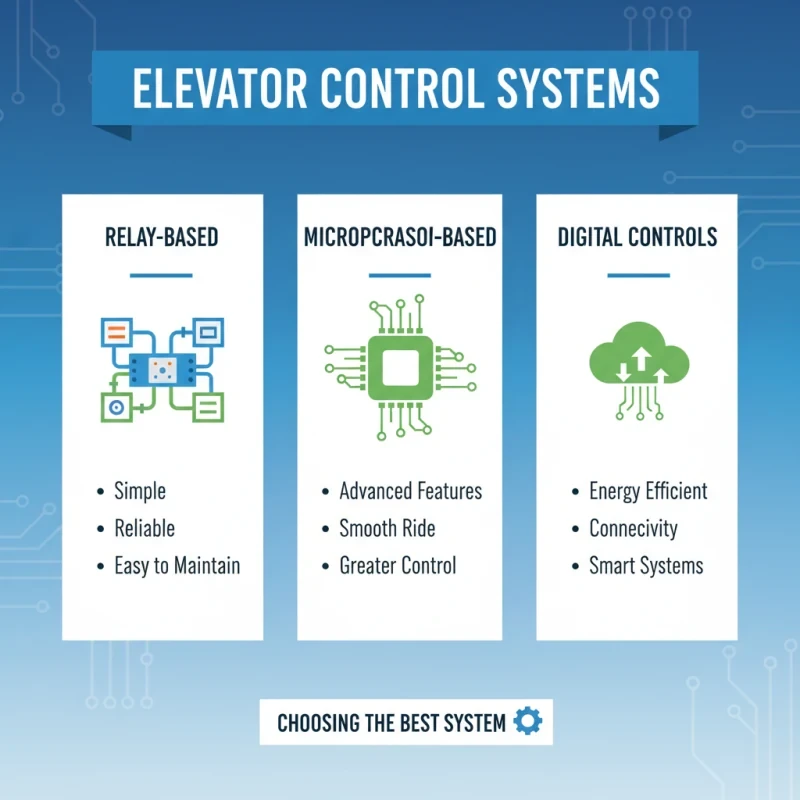
When selecting the best elevator control systems, understanding the types available is crucial. Modern systems include relay-based, microprocessor-based, and the latest in digital controls. Each has its strengths. Relay-based systems offer reliability and simplicity, while microprocessor systems provide advanced features like smooth acceleration and deceleration. Digital controls enhance energy efficiency and connectivity options.
It's important to assess your building’s needs and usage patterns. For heavy usage, robust microprocessor systems may be ideal. In contrast, for low-rise buildings, simpler relay systems could suffice. Each type requires specialized knowledge to evaluate effectively. A well-designed system ensures safety and efficiency, contributing to overall building performance.
Not every control system will suit every project. Key factors include installation costs, maintenance needs, and user interface. A mismatch can lead to increased operational costs and frustrations. Seek expert advice and consider local codes in your decision-making process. The journey to identify the Best Elevator Controls Corpsolutions may involve challenges, but thorough research can lead to satisfying results.
The Role of Technology in Modern Elevator Control Solutions
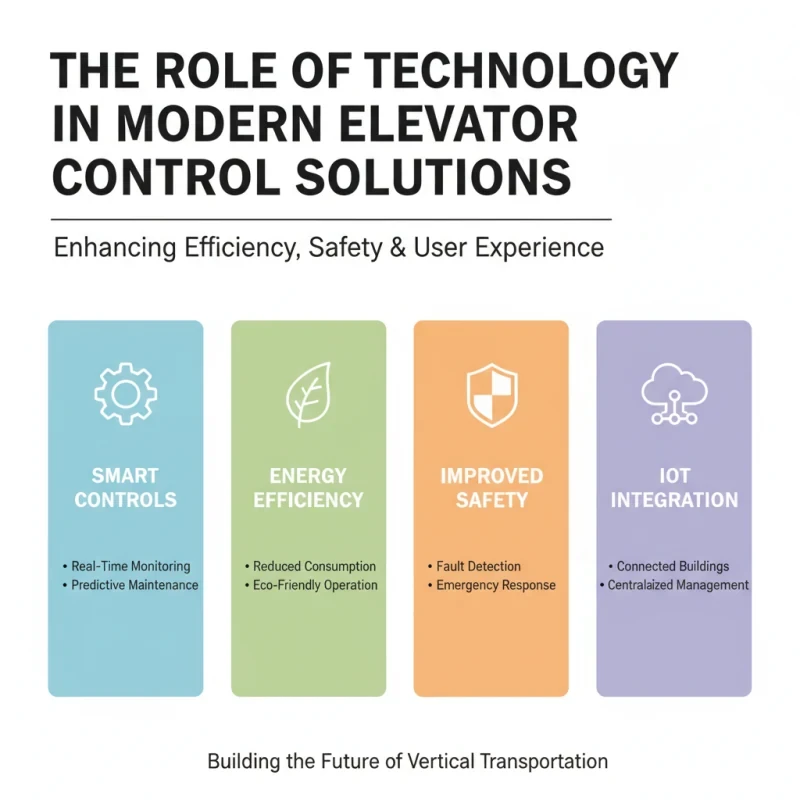
Modern elevator control solutions are rapidly evolving due to advancements in technology. Smart controls provide real-time monitoring. This enhances efficiency, safety, and user experience in buildings. Energy consumption is reduced through these innovative systems. With the integration of IoT, elevators can communicate with building management systems. This creates a fully connected infrastructure.
Selecting the right solutions can be challenging. You should consider your specific needs first. Balancing cost and functionality is crucial. Seek expert consultation to guide you. Ask questions about scalability and future upgrades. Learn from industry experiences to avoid common pitfalls.
Tips: Always prioritize user experience. Ensure the interface is intuitive and accessible. Test systems in real-world scenarios before implementation. Lastly, investigate the reliability of the technical support provided by vendors. Companies like Famous Elevator Controls Corp demonstrate the importance of ongoing support.
Stay updated with ongoing technological trends. Understand that innovation is not just about new tools. It’s about improving existing systems too. Evaluate solutions regularly to ensure they remain effective. Embrace feedback from users to drive improvements. Consistency in monitoring and adjustments can lead to significant advancements.
Evaluating the Reliability and Performance of Control Systems
When evaluating control systems for elevators, reliability stands at the forefront. A well-designed control system should respond promptly to user commands and ensure smooth operation. Examining the response time is crucial. Delays can lead to user frustration and safety concerns. Investigating the average time taken for an elevator to reach its destination offers insight into its efficiency.
Performance is equally important. A control system should efficiently manage unexpected situations, such as power outages or mechanical failures. Understanding how the system adjusts under stress showcases its robustness. User feedback can provide valuable data on performance issues. Regular maintenance feedback loops also illuminate areas for improvement.
It is essential to look at the technology used in the controls. Outdated systems may lack the necessary features to ensure safety and reliability. Analyzing the integration of smart technology can lead to better performance metrics. As elevator technology evolves, continuous evaluation of control systems becomes vital. The quest for the perfect balance between reliability and performance remains ongoing, with constant reflection on current practices essential for future advancements.
Cost Considerations for Elevator Control Solutions
When selecting the perfect elevator control solutions, cost plays a crucial role. High-Quality Elevator Controls Corp solutions often come at a premium. However, it’s essential to weigh the initial investment against the potential long-term savings. Cheaper options might seem attractive, but they can lead to higher maintenance costs over time.
Consider the lifecycle cost of the systems you’re evaluating. This includes installation, maintenance, and energy consumption. Some advanced systems may require a higher upfront cost, but they operate more efficiently, saving money in energy bills. If the elevator is in a high-traffic area, reliability becomes pivotal. Downtime can disrupt service and lead to additional expenses.
Moreover, while discussing budget, don't overlook the importance of features. A solution with enhanced safety protocols may come with a higher price tag. Still, the peace of mind it offers can be well worth it. Reflect on how often the elevator will be used and by whom. Tailoring your choice to your specific needs can prevent overspending or future regrets.
2026 How to Choose the Best Elevator Controls Corp Solutions? - Cost Considerations for Elevator Control Solutions
| Feature | Description | Average Cost ($) |
|---|---|---|
| Basic Control System | Standard controls for less demanding applications. | $5,000 - $7,000 |
| Advanced Control System | Enhanced features with better energy efficiency. | $8,000 - $12,000 |
| Smart Control Technologies | Integration with IoT and building management systems. | $15,000 - $20,000 |
| Maintenance Services | Ongoing support and preventive maintenance packages. | $1,000 - $3,000/year |
| Installation Costs | Costs related to the physical installation of the control system. | $2,000 - $5,000 |
Reviewing Manufacturer Reputation and Customer Support Services
When selecting a control solutions provider, evaluating manufacturer reputation is crucial. A company's reputation reflects its commitment to quality and reliability. Look for vendors with a history of positive customer feedback. Check online reviews and industry forums. Feedback from real users provides insights into the services and products they offer.
Customer support services are equally important. Strong support can save time and money. Ensure the provider has a dedicated support team. Consider their responsiveness and willingness to help. A reliable partner should offer assistance when you need it. Additionally, check if they have technical experts available for complex issues.
As you explore Elevator Controls Corp Factory options, examine their support structure. Ask about training programs and documentation. Inadequate resources can lead to confusion and errors. Balancing reputation with efficient customer support creates a solid foundation for a successful partnership.
FAQS
: Common types include relay-based, microprocessor-based, and digital control systems. Each has unique benefits.
Assess your building’s usage patterns and specific needs to find the right system.
Microprocessor systems offer advanced features like smooth acceleration and better energy efficiency.
Look at installation costs, maintenance, and user interface for the best fit.
Technology enhances real-time monitoring and contributes to better safety and efficiency.
Yes, consider scalability and future upgrades when choosing a system.
Check online reviews and seek feedback from actual users in industry forums.
Strong customer support can save time and reduce operational issues significantly.
Ensure they have a dedicated team and prompt assistance for complex problems.
User feedback helps identify issues and drives necessary improvements for better performance.
Conclusion
When choosing the best Elevator Controls Corp solutions, it is essential to understand the pivotal role elevator control systems play in building efficiency and safety. Key factors to consider include the specific needs of the building, the types of control systems available, and the latest technological advancements that enhance performance. Reliability and performance evaluations are critical, as they ensure that the chosen system meets safety standards and operational requirements.
Cost is another significant consideration, as budgets can vary widely depending on the features and technology integrated into the systems. Furthermore, the reputation of the manufacturer and the level of customer support services they provide can greatly impact the overall satisfaction with the elevator control solutions. By carefully weighing these factors, one can make an informed decision that aligns with both functional needs and financial constraints.
Related Posts
-

Global Trade Reshaped by Best Elevator Controls Corp Unmatched Quality in Chinese Manufacturing
-
A Comprehensive Comparison of Best Elevator Controls Corp Solutions for Modern Elevators
-

Essential Checklist for Choosing the Best Elevator Controls Corp Solutions
-

Exploring Alternative Solutions for Elevator Controls Corp: What You Need to Know
-

Understanding Elevator Switch Technology: Enhancing Safety and Efficiency in Modern Lifts
-

2025 How to Choose the Right Elevator Accessories for Your Building Needs