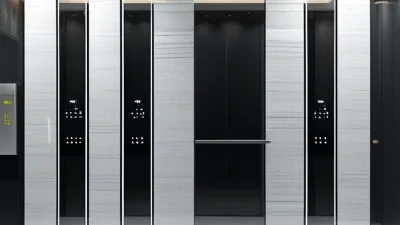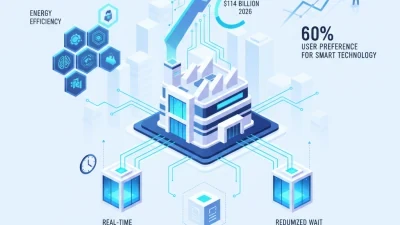
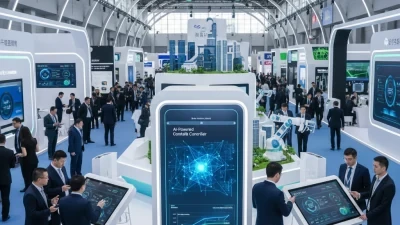
Hey, so with the 139th Canton Fair coming up in April 2026, everyone's really buzzing about the latest in innovation—especially in smart tech? Exhibitors will be showing off some pretty exciting stuff, like these new AI-powered elevator controllers. Honestly, they're expected to totally change how buildings run. These smart elevators can react to demand in real-time, making rides smoother and cutting down wait times. Industry stats even suggest they can save up to 30% on energy—which is a big deal.
Plus, there'll be AI-driven features like smart search and navigation tools that make life so much easier for buyers. Imagine being able to locate suppliers quickly amid a massive 1.55 million square meters of exhibition space—that’s pretty impressive. Filters based on certifications like ISO and CE are making the whole procurement process way more straightforward. But, of course, rolling out AI tech isn’t all sunshine and rainbows. Companies need to figure out how to integrate these systems without a hitch and still protect user data privacy.
Bringing AI-powered elevator controllers into industry events isn’t just cool; it’s a big step towards embracing digital transformation. As folks explore these upgrades, it’s also worth thinking about the ethics behind it all and how it might impact jobs in the sector. The future looks promising with automation, but we better take a moment to consider the social implications too. It’s all about finding that balance, you know?
What are AI-Powered Elevator Controllers?
AI-powered elevator controllers are revolutionizing the way we interact with vertical transportation. These systems use advanced algorithms to optimize elevator performance. They learn usage patterns and adjust to peak times. This leads to reduced wait times and improved efficiency. Imagine an office building where elevators arrive at the right time, every time.
Through smart technology, these controllers can predict demands. But they are not perfect. Sometimes, they miscalculate. For instance, if many people leave work simultaneously, the system may struggle. Users might experience delays. Reflections on these moments can lead to better design.
In modern buildings, integrating the Best Ai-Powered Elevator Controller is crucial. They enhance user experience and operational efficiency. However, there’s always room for improvement. Stakeholders should actively work on feedback. A continuous design process can help overcome initial flaws. As technology advances, so does the promise it holds for smooth, efficient elevator travel.
Key Features of AI-Powered Elevator Technologies
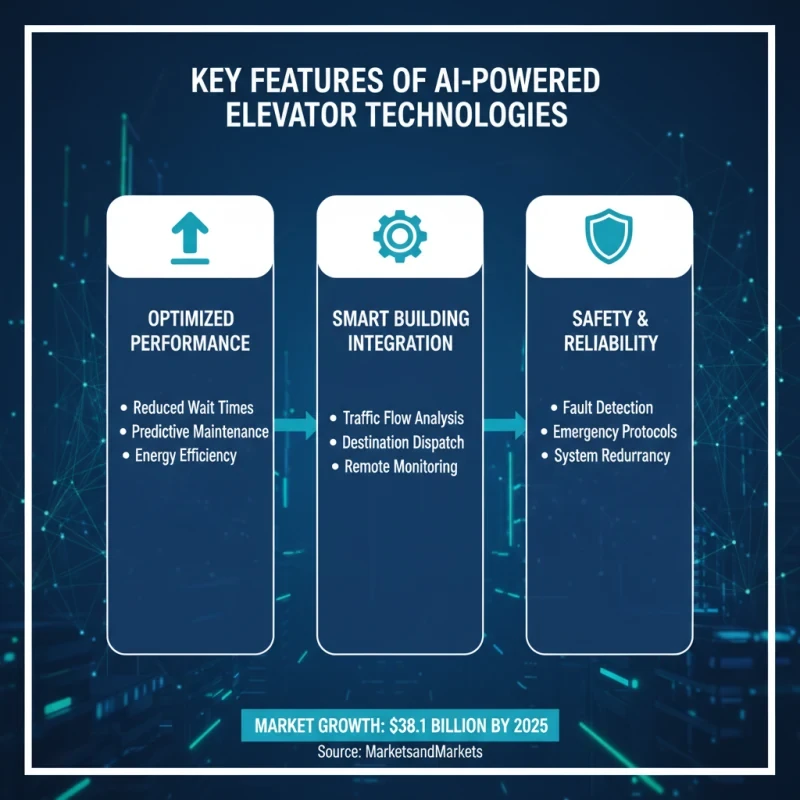
AI-powered elevator controllers are revolutionizing building management. These systems use advanced algorithms to optimize elevator performance. According to a report by MarketsandMarkets, the smart elevator market is expected to reach $38.1 billion by 2025. This explosive growth highlights the increasing demand for efficiency and sustainability in urban environments.
Key features of AI-powered elevators include predictive maintenance and improved safety. Predictive algorithms analyze data from sensors to forecast potential failures. This reduces downtime and maintenance costs. Safety is enhanced through real-time monitoring, ensuring elevator operations adapt to emergencies. However, reliance on technology can pose risks. Any system failures could lead to unexpected shutdowns.
Tips for adopting AI elevator systems: Always assess the integration capabilities with existing systems. Ensure staff is trained on new technology. Regularly review performance metrics for potential improvement areas. Embracing AI is a step forward, but it requires continuous evaluation. Are current buildings ready for this advancement? It's worth questioning. Balancing innovation with operational realities is crucial.
Benefits of Integrating AI in Elevator Systems
AI integration in elevator systems marks a significant shift in urban infrastructure. According to a report by the International Elevator and Escalator Symposium, AI can enhance operational efficiency by up to 30%. Smart algorithms optimize traffic flow, ensuring elevators respond quickly to demand. This responsiveness reduces wait times, which can be crucial in high-rise buildings.
Implementing AI in elevators also decreases energy consumption. The Global Energy Efficiency Report highlights that smart systems can cut energy use by about 20%. Elevator systems can now adjust speed based on passenger load and time of day. However, reliance on algorithms raises concerns. What happens if the system fails? A single glitch could lead to service disruptions.
Moreover, while AI improves safety with predictive maintenance, potential cyber vulnerabilities arise. Hackers could exploit weaknesses in connected systems. The balance between innovation and security is delicate. As we embrace AI technology in elevators, continuous assessment is vital to mitigate risks and enhance reliability.
Applications of AI-Powered Elevators in Smart Buildings
The integration of AI-powered elevators is transforming smart buildings. These advanced systems enhance efficiency and user experience. According to a report by Grand View Research, the global smart elevator market is projected to reach $28.3 billion by 2025, fueled by rising urbanization and infrastructure development.
AI technologies allow elevators to adapt to usage patterns. They can optimize waiting times and reduce energy consumption. A study by McKinsey highlights that AI can improve operational efficiency by up to 30%. However, not all installations benefit equally. Some buildings struggle with integration due to outdated infrastructure. This disparity must be addressed for widespread adoption.
Investing in a Famous Ai-Powered Elevator Controller could be a game-changer. Smart features like predictive maintenance help reduce downtime. Still, there are concerns regarding cybersecurity. Ensuring data protection in these interconnected systems remains a critical challenge. Balancing innovation with security is essential for future growth in this sector.
Discover Ai Powered Elevator Controllers at the 139th Canton Fair? - Applications of AI-Powered Elevators in Smart Buildings
| Application | Benefits | Technology Used | Case Studies |
|---|---|---|---|
| Smart Scheduling | Increased efficiency, reduced wait times | Machine Learning, Real-Time Data Analytics | Commercial office buildings |
| Predictive Maintenance | Reduced downtime, lower maintenance costs | IoT Sensors, AI Algorithms | Residential buildings |
| Personalized Experience | Improved user satisfaction, tailored services | Facial Recognition, User Profiles | Luxury hotels |
| Energy Optimization | Lower energy consumption, sustainable operations | AI-based energy management systems | Corporate campuses |
Innovations in Elevator Control Systems at the Canton Fair
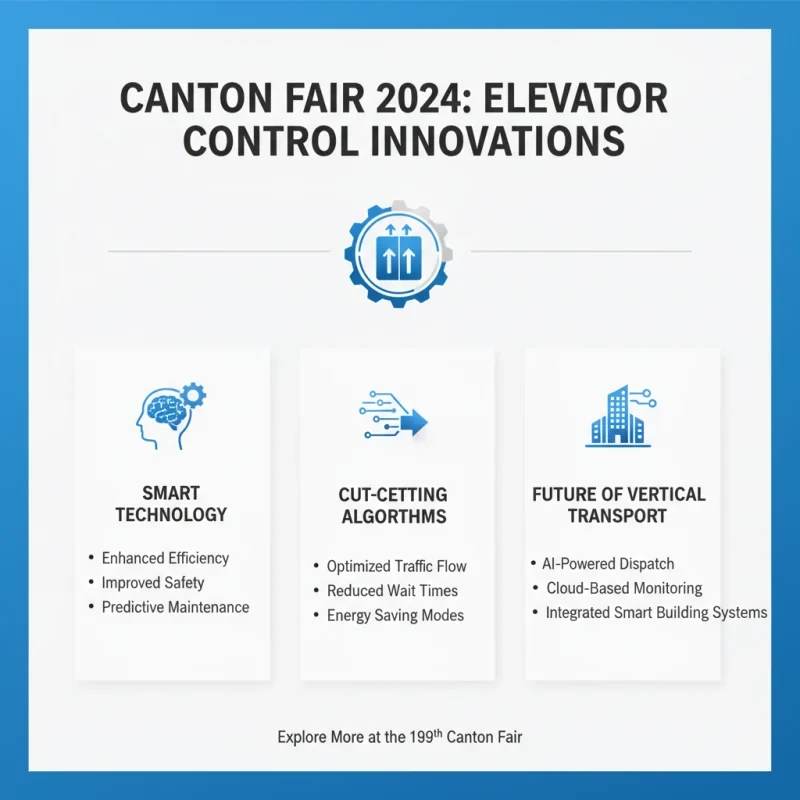
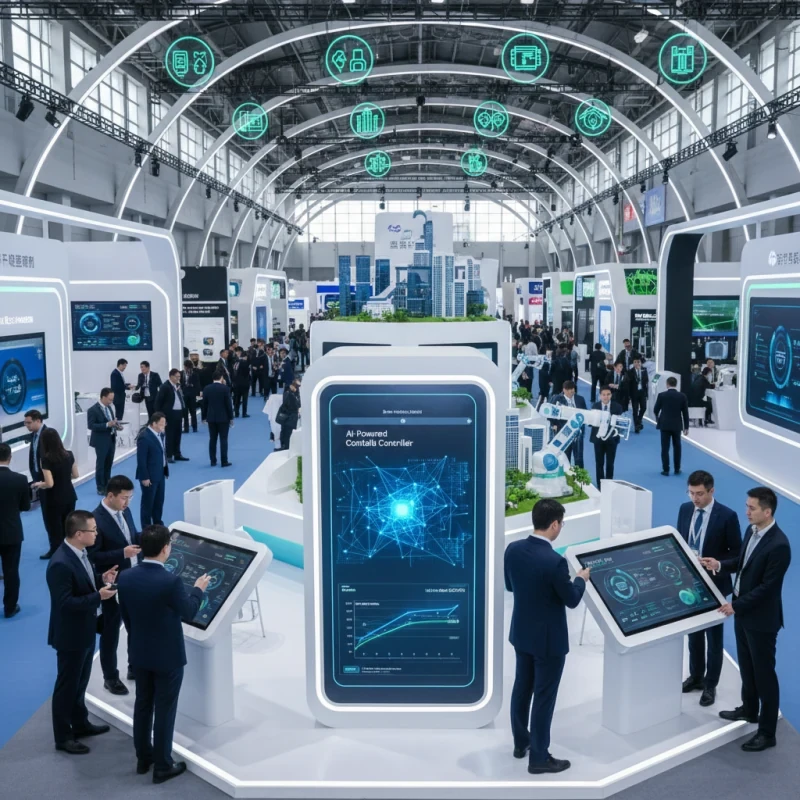
At the 139th Canton Fair, innovations in elevator control systems take center stage. Visitors can explore various solutions, focusing on smart technology that enhances efficiency and safety. These advancements utilize cutting-edge algorithms to optimize operations. The atmosphere buzzes with excitement as professionals discuss the future of vertical transportation.
High-Quality Ai-Powered Elevator Controllers are designed to adapt to real-time conditions. They learn from user patterns, making them efficient and user-friendly. This responsiveness is a game-changer for urban environments where swift and reliable transportation is essential. In the quest for perfection, there are challenges to address, such as system integration and data security.
While many systems show promise, not all solutions are flawless. It's crucial to consider how technology can be refined further. Questions arise about reliability and maintenance. Feedback from industry experts will play a vital role in shaping the future of elevator control systems. As we move forward, discussions will focus on how to enhance these technologies for better performance.
Future Trends in AI and Elevator Technology
As AI technology matures, its applications in elevator systems are becoming more pronounced. Elevators equipped with AI can optimize their routes. This reduces waiting times and energy consumption. Smart algorithms analyze traffic patterns in real-time. The results can be significant, particularly in high-rise buildings. They ensure that passengers experience smoother rides with minimal delays.
However, there are challenges to consider. Not all AI systems are created equal. Some may struggle with unpredictable traffic or complex building layouts. This inconsistency calls for ongoing refinement and testing. It’s vital to learn from real-world data to improve these systems continually.
Additionally, the integration of AI with existing infrastructure poses questions. How will older buildings adapt to new technologies? The transition could be slow and costly. As we embrace innovation, we must also acknowledge these hurdles. Striking a balance between cutting-edge solutions and practical implementation is essential. Exploring these avenues will shape the future of both AI and elevator technology.
Comparative Analysis of Traditional vs. AI-Powered Elevators
In the fast-evolving world of elevator technology, AI-powered controllers are shifting the landscape. Unlike traditional systems, these models utilize intelligent algorithms. They adapt to usage patterns and optimize performance. This means elevators can respond better during peak hours. Riders experience shorter wait times and smoother rides.
Traditional elevators rely on pre-set programming. They struggle with unpredictable traffic and user behavior. This can lead to inefficiencies and long waits. For instance, during busy periods, people might be left waiting for longer. In contrast, AI-powered elevators assess real-time data. They make instant decisions, improving overall experience.
Still, AI technology has its shortcomings. The initial setup can be complex. Maintenance can also require specialized knowledge. As with any emerging tech, the learning curve may deter some users. However, the potential benefits are immense. An Ai-Powered Elevator Controller Company can provide insights that enhance building management. The future lies in leveraging AI to make our daily commutes more efficient.
Comprehensive Guide to Elevator Access Control Boards: Key Features and Benefits of Models ID 560540 and 560195
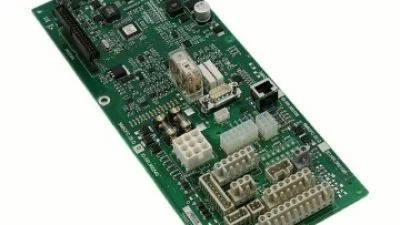
Elevator access control boards are essential components for modern building security, providing seamless integration between elevator systems and security measures. The comprehensive features of access control boards such as models ID 560540 and 560195 enhance operational efficiency and user experience. These systems allow for programmable user access, ensuring that only authorized individuals can access specific floors or areas of a building. This is particularly important in high-security environments, such as corporate offices or residential complexes, where tenant safety and privacy are paramount.
The key benefits of utilizing these models include the advanced hardware capabilities, which support high traffic without compromising performance. Their user-friendly interfaces facilitate easy installation and maintenance, making them an attractive option for property managers and building engineers. Moreover, both models offer robust data logging features that track usage patterns, enabling facilities to monitor who accesses which floors at any given time, thus bolstering accountability and security. By implementing these access control systems, buildings not only enhance safety but also increase the convenience factor for residents and employees alike.
FAQS
I improve elevator efficiency?
AI can reduce energy consumption in elevator systems by about 20% through smart speed adjustments.
Yes, there are potential risks like service disruptions from system failures and vulnerabilities to cyberattacks.
AI-powered elevators analyze real-time data to respond quickly to increased demand during peak hours, shortening wait times.
The transition can be slow and costly for older buildings, posing challenges for integration with existing systems.
AI systems may struggle with unpredictable traffic patterns and complex building layouts, requiring ongoing refinement.
Traditional elevators use pre-set programming, leading to inefficiencies, while AI elevators adapt to real-time usage patterns.
The initial complexity of setup and the need for specialized maintenance can deter users from embracing AI systems.
Continuous learning from real-world data will improve AI systems, shaping more efficient and responsive elevator technology.
Yes, continuous assessment is vital to mitigate risks and enhance reliability in AI-integrated elevator systems.
Conclusion
The article explores the innovative concept of Ai-Powered Elevator Controllers showcased at the 139th Canton Fair. These advanced systems leverage artificial intelligence to enhance traditional elevator operations, offering key features such as predictive maintenance, adaptive routing, and real-time data analytics. By integrating AI into elevator technologies, building managers can experience significant benefits, including improved energy efficiency, reduced wait times, and enhanced passenger experience.
Moreover, the article highlights the applications of Ai-Powered Elevator Controllers within smart buildings, emphasizing their role in optimizing transportation within complex infrastructures. It also discusses recent innovations in elevator control systems presented at the Canton Fair and looks ahead to future trends in the intersection of AI and elevator technology. In concluding, a comparative analysis of traditional elevators versus AI-driven systems underscores the potential for transformative impacts on urban mobility and building management.
Related Posts
-
Future of Elevator Technology in 2025 Embracing Best Anti-Microbial Solutions
-
How to Use a Lift Control Panel Effectively?
-

Future Innovations in Elevator Button Panels: Trends to Watch in 2025
-
Top 10 Lift Control Panel Features You Need to Know About
-
Understanding Elevator Motors: The Heart of Modern Vertical Transportation Systems
-

Elevator Wall Protection Pads: Essential Guide to Choosing the Right Type for Your Needs