Having an efficient and easy-to-use Lift Control Panel is more important than ever in today's vertical transport world. As cities keep expanding, and more high-rise buildings pop up everywhere, the need for smarter, more advanced lift systems is pretty much a given. A report from Research and Markets even predicts that the global elevator and escalator market will hit around $90 billion by 2025. That’s a big deal, especially when safety and smooth operation are top priorities. At the heart of this upgrade is the Lift Control Panel — it's what makes communication between passengers and the elevator simple and seamless.
In this article, I want to dive into the top ten features that really boost how these panels work and improve user experience. From saving energy to user-friendly interfaces, these upgrades don’t just make lifts safer—they also make them run more smoothly. With smart tech and real-time monitoring becoming more common, elevators are becoming smarter and more responsive to what building owners and passengers expect. Knowing about these key features can really help everyone involved make smarter decisions when it comes to installing and maintaining these systems, which ultimately leads to better safety and more efficient operation.
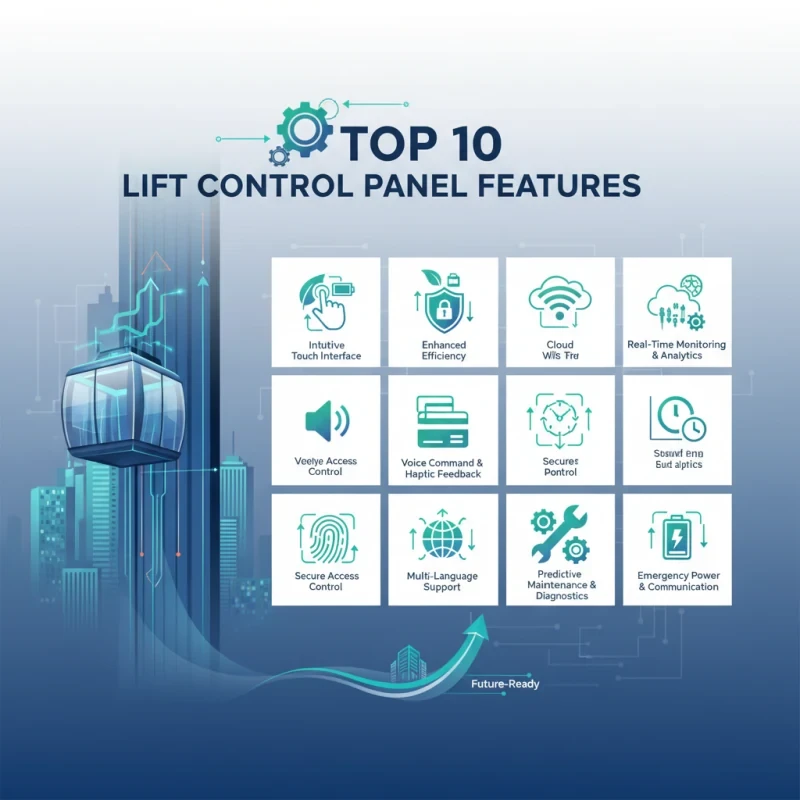
Top 10 Lift Control Panel Features You Need to Know About
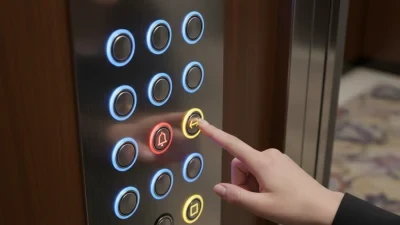
When considering the essential features of lift control panels, it's crucial to understand the various components that enhance both safety and efficiency. One vital feature is the user interface, which should be intuitive and easily operable. Clear display screens and tactile buttons not only facilitate effective communication but also make navigation simpler for all users, including those with disabilities.
Another important feature is the emergency control system, which ensures that the lift can be operated safely in case of malfunction. This includes emergency stop buttons and communication systems to alert users outside the lift when help is needed.
Tips: Ensure that the lift control panel complies with local safety standards and regulations. Regular maintenance checks should be scheduled to inspect the functionality of emergency features. Additionally, consider user training sessions to familiarize all passengers with the basic operations, enhancing overall safety and confidence while using the lift.
Understanding the Importance of User-Friendly Interfaces in Lift Panels
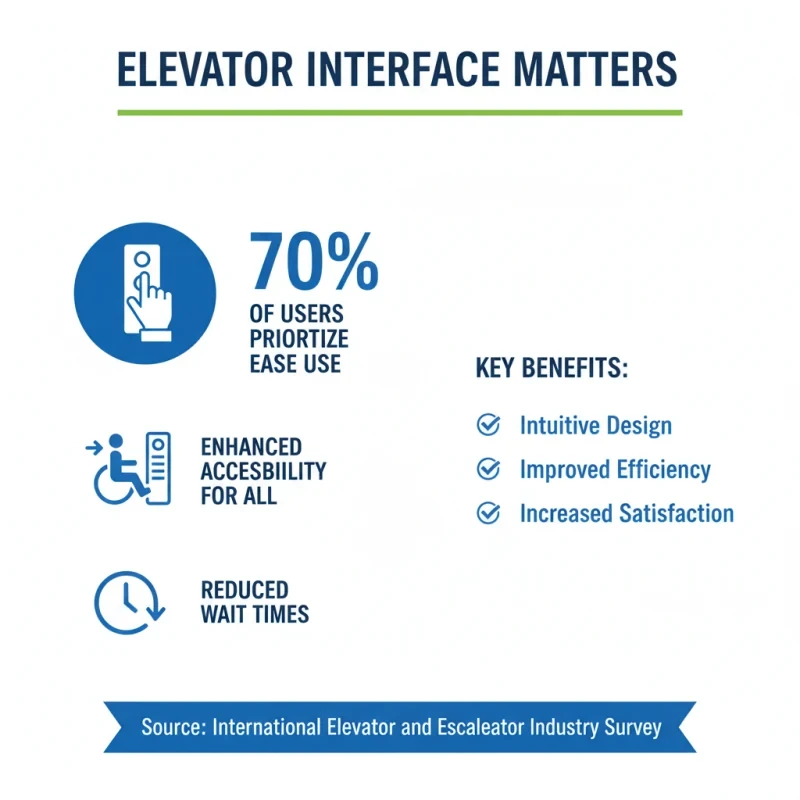
User-friendly interfaces in lift control panels are crucial for ensuring a seamless experience for all users. According to the International Elevator and Escalator Industry Survey, nearly 70% of users identify ease of use as a top priority when interacting with lift systems. A well-designed lift panel not only enhances accessibility for individuals with disabilities but also improves efficiency in high-traffic areas, significantly reducing wait times and user frustration.
Moreover, the implementation of intuitive icons and clear feedback mechanisms can result in a 25% increase in user satisfaction, as reported by the Lift and Escalator Industry Association. By prioritizing user-friendly designs, lift manufacturers can cater to a diverse clientele, ensuring that all users, regardless of age or technological proficiency, can operate the lift without confusion. This focus on user-centric design not only bolsters safety measures but also guarantees a more positive overall experience in building navigation.
Safety Measures: Emergency Features in Modern Lift Control Panels
In the modern era, elevator safety is paramount, and lift control panels play a crucial role in ensuring that safety measures are effectively implemented. One of the most critical features integrated into these panels is the emergency communication system. According to a report from the International Association of Elevator Engineers, nearly 70% of lift emergencies can be swiftly resolved with direct communication to a central monitoring site. This real-time communication allows for immediate assistance, significantly reducing the potential for panic and injury during emergencies.
Moreover, advanced safety features, such as redundancy systems and emergency power supplies, are essential components of contemporary lift control panels. The latest industry research indicates that elevators equipped with backup systems can maintain functionality even in the event of a power failure, ensuring occupants can safely exit. Additionally, modern panels come equipped with alarm systems that can alert building personnel or emergency responders within minutes, enhancing response times during critical situations. As building safety regulations evolve, embracing these innovative technologies becomes imperative for ensuring passenger safety and compliance with industry standards.
Efficiency and Energy Management in Lift Control Systems
Efficiency and energy management are critical components in the design of modern lift control systems. One of the standout features of these systems is their ability to optimize energy consumption based on real-time demand. By utilizing algorithms that analyze traffic patterns, lift control panels can intelligently route elevators, reducing unnecessary travel and waiting times. This not only enhances user experience but also significantly lowers energy expenditure, aligning with sustainability goals.
Another important aspect of energy management in lift control systems is the integration of regenerative drives. These drives allow the lift to convert excess energy generated during descent back into usable power, which can then be fed back into the building's grid. This feature not only decreases the overall energy consumption of the lifts but also contributes to the building's energy efficiency ratings. Additionally, smart scheduling algorithms can minimize peak loads, further enhancing the system's efficiency while keeping operational costs in check. As technology continues to advance, the focus on energy management within lift control systems will likely drive innovations that lead to even more sustainable solutions.
Top 10 Lift Control Panel Features You Need to Know About
| Label | Importance Rating (1-10) |
|---|---|
| Energy Efficiency | 9 |
| Real-Time Monitoring | 8 |
| Remote Diagnostics | 7 |
| User-Friendly Interface | 9 |
| Traffic Management | 8 |
| Safety Features | 10 |
| Integration Capability | 6 |
| Adaptive Control | 7 |
| Maintenance Alerts | 8 |
| Customizable Settings | 5 |
Integration of Smart Technology in Lift Control Panels
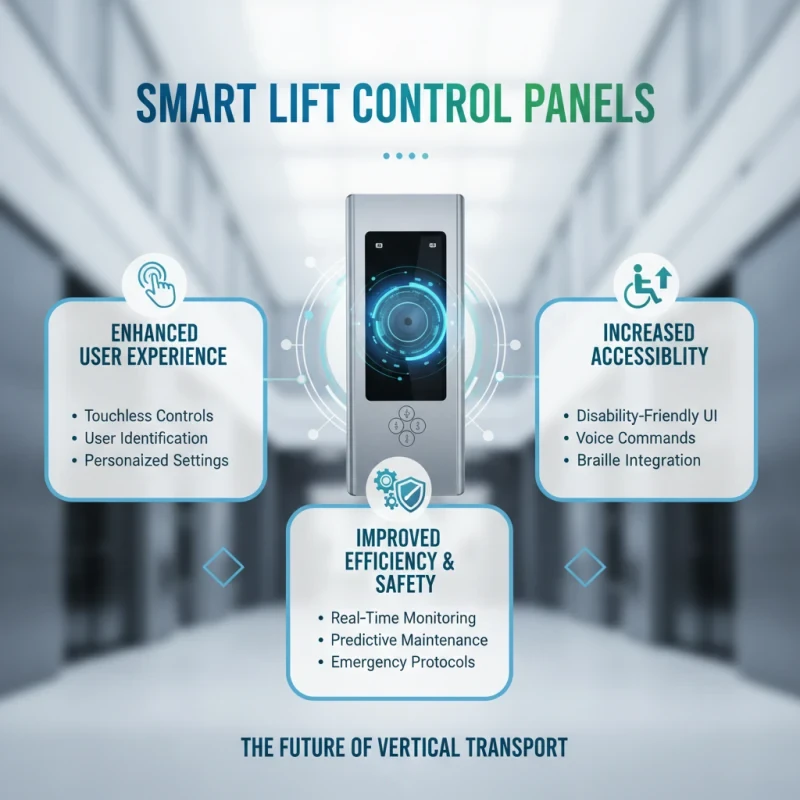
The rise of smart technology has significantly transformed how lift control panels operate, enhancing user experience and operational efficiency. Modern lift control panels now incorporate advanced features such as touchless controls, user identification systems, and real-time monitoring capabilities. These innovations not only streamline the lift experience but also improve safety and accessibility, catering to the needs of all users, including those with disabilities.
One notable advancement is the integration of IoT (Internet of Things) within lift systems, allowing for seamless communication between lifts and building management systems. This connectivity enables predictive maintenance, which minimizes downtime and reduces costs. Users can even receive notifications about lift status directly on their smartphones, making the process more convenient.
**Tips**: When considering upgrading to a smart lift control panel, prioritize features such as compatibility with existing building systems and data security measures. Additionally, look for panels that support future updates to keep pace with ongoing technological advancements. Another tip is to ensure that the interface is user-friendly for all demographics, making it accessible for the elderly and those who may not be tech-savvy.
Real-Time Monitoring: Benefits of Digital Display Indicators
Real-time monitoring is revolutionizing the way lift control panels operate, making them not only more efficient but also significantly safer. One of the standout features of modern lift control panels is the inclusion of digital display indicators, which provide operators and passengers with instantaneous feedback on the lift's status. These indicators show crucial information such as the current floor, weight load, and operational status, allowing for informed decision-making and quicker responses in case of any discrepancies.
The benefits of digital display indicators extend beyond mere convenience. They enhance operational safety by alerting users to potential overloads or malfunctions, thereby preventing accidents before they occur. Moreover, by allowing maintenance teams to access real-time performance data, these indicators facilitate proactive maintenance, reducing downtime and improving overall service quality. In essence, the integration of real-time monitoring features into lift control panels not only boosts operational efficiency but also significantly enhances safety and reliability for users.
Compliance with Industry Standards and Regulations for Lift Panels
When it comes to lift control panels, ensuring compliance with industry standards and regulations is paramount for user safety and operational efficiency. These standards typically require that lift control panels meet specific design, functionality, and safety criteria set forth by governing bodies. Compliance ensures that the functionalities of the panels operate smoothly and predictably in various environments, minimizing the risk of malfunction. This includes requirements for emergency features, button layout, and integration with alarm systems, all of which are designed to facilitate a safe experience for passengers and maintenance personnel alike.
In addition to safety considerations, regulatory compliance for lift panels often encompasses accessibility for individuals with disabilities. This involves implementing features such as tactile buttons, voice announcements, and visual indicators that cater to a diverse user base. Furthermore, compliance with energy efficiency standards not only contributes to sustainability efforts but also reduces operational costs over time. As such, lift control panel manufacturers must stay well-informed about current regulations and technology advancements to ensure their products remain compliant and reliable, promoting a safer and more efficient vertical transportation experience.
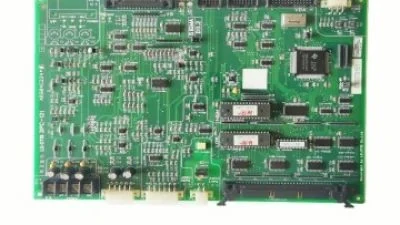
Essential Guide to Driver Board DPC-121 and DPC-123 for SIGMA Elevator Parts and Lift Accessories
When it comes to ensuring the smooth operation of lift systems, selecting the right driver board is of paramount importance. The DPC-121 and DPC-123 are specialized driver boards designed to cater to the diverse needs of elevator components. These two types of driver boards not only enhance the performance of elevator systems but also ensure reliability and safety during operation. As integral parts of elevator hardware, they provide essential control functions necessary for the efficient running of the lift.
The DPC-121 is focused on delivering robust performance, ideal for applications requiring consistent operation under various load conditions. Alternatively, the DPC-123 incorporates advanced features for more complex lift systems, enabling better integration with modern lift technologies. Both boards come with unique specifications that cater to different elevator models, making them versatile choices for maintenance and upgrades. By understanding the capabilities and applications of both the DPC-121 and DPC-123, maintenance professionals can effectively implement these driver boards to optimize elevator performance and enhance user experience.
By considering the specific requirements of their elevator systems, users can confidently select between the DPC-121 and DPC-123, ensuring that they provide the necessary support for their lift accessories and parts. Investing in these driver boards not only boosts the operational efficiency of elevators but also contributes to the long-term reliability of vertical transportation systems.
FAQS
: Look for an intuitive user interface, emergency control systems with stop buttons, and communication systems that alert users outside the lift for help.
Smart technology enhances lift control panels with features like touchless controls, user identification systems, and real-time monitoring, improving both safety and user experience.
Compliance ensures that lift panels meet necessary safety and functionality criteria, reducing the risk of malfunction and promoting a safe experience for users.
Implement features such as tactile buttons, voice announcements, and visual indicators to accommodate users with different needs, including those with disabilities.
IoT integration allows seamless communication between lifts and building management, enabling predictive maintenance and real-time notifications about lift status, which enhances convenience and reduces downtime.
Focus on compatibility with existing systems, data security measures, and user-friendly interfaces that cater to a diverse demographic, ensuring accessibility for everyone.
Regular maintenance checks should be scheduled to ensure the functionality of emergency features and overall safety in operation.
User training familiarizes passengers with basic operations, which enhances safety and boosts confidence while using the lift.
Compliance with energy efficiency standards contributes to sustainability and reduces operational costs over time, benefiting both users and operators.
A clear and intuitive interface with tactile buttons and display screens simplifies navigation and communication, making it easier for all users, including those who are elderly or less tech-savvy.
Conclusion
The article "Top 10 Lift Control Panel Features You Need to Know About" highlights essential characteristics that enhance the functionality and safety of lift systems. It begins by emphasizing the necessity of user-friendly interfaces, which ensure ease of use for passengers and operators alike. Safety measures, particularly emergency features, are discussed as critical components that enhance users' security during unforeseen circumstances.
Additionally, the article explores how modern lift control panels incorporate efficiency and energy management practices, improving overall performance. The integration of smart technology allows for advanced functionalities, while real-time monitoring through digital display indicators ensures timely information. Lastly, compliance with industry standards and regulations is underscored as vital for maintaining operational safety and reliability in lift control systems.
Related Posts
-
Exploring Innovations in Lift Control Panel at the Expanding International Trade Landscape of the 137th Canton Fair
-
Elevating Standards: How China's Best Lift Control Panel is Winning Global Markets with Quality
-
Top Strategies for Sourcing Lift Control Panels: Maximizing Efficiency and Cost-Effectiveness in Global Procurement
-

Unlock Efficiency: The Advantages of the Best Lift Control Panel for Modern Elevators
-

Common Issues Faced with Lift Control Panels and How to Address Them
-

Resilient Growth of Chinese-Made Elevator Control Panels Amidst US-China Tariff Challenges