You know, the elevator industry is changing pretty fast these days, and findingreliable Lift Control Panels is more important than ever if you want to keep things running smoothly and save some money. Just take a look at the latest market insights—by 2025, the global elevator and escalator scene is expected to hit a staggering USD 100 billion. A big chunk of that growth? Thanks to tech advancements and folks’ increasing love for automated systems.
One company making waves in this space is Zhuhai Link Industrial Co., Ltd. — they've been around since 2017 and have really punched above their weight, covering sales, installations, and maintenance of complete elevators. Last year alone, they sold over 200 units! By smartly sourcing Lift Control Panels, businesses can boost their efficiency and keep costs in check, helping them stand out in this pretty competitive, ever-changing market.
Understanding Lift Control Panels: Key Components and Functionality
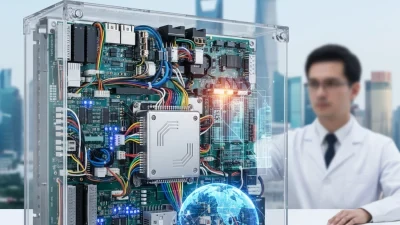
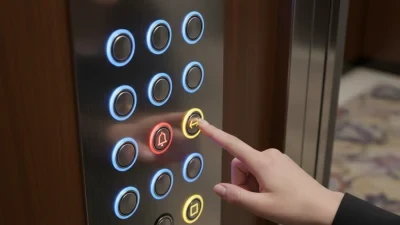
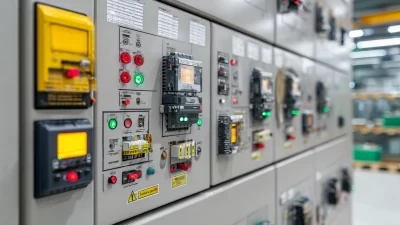
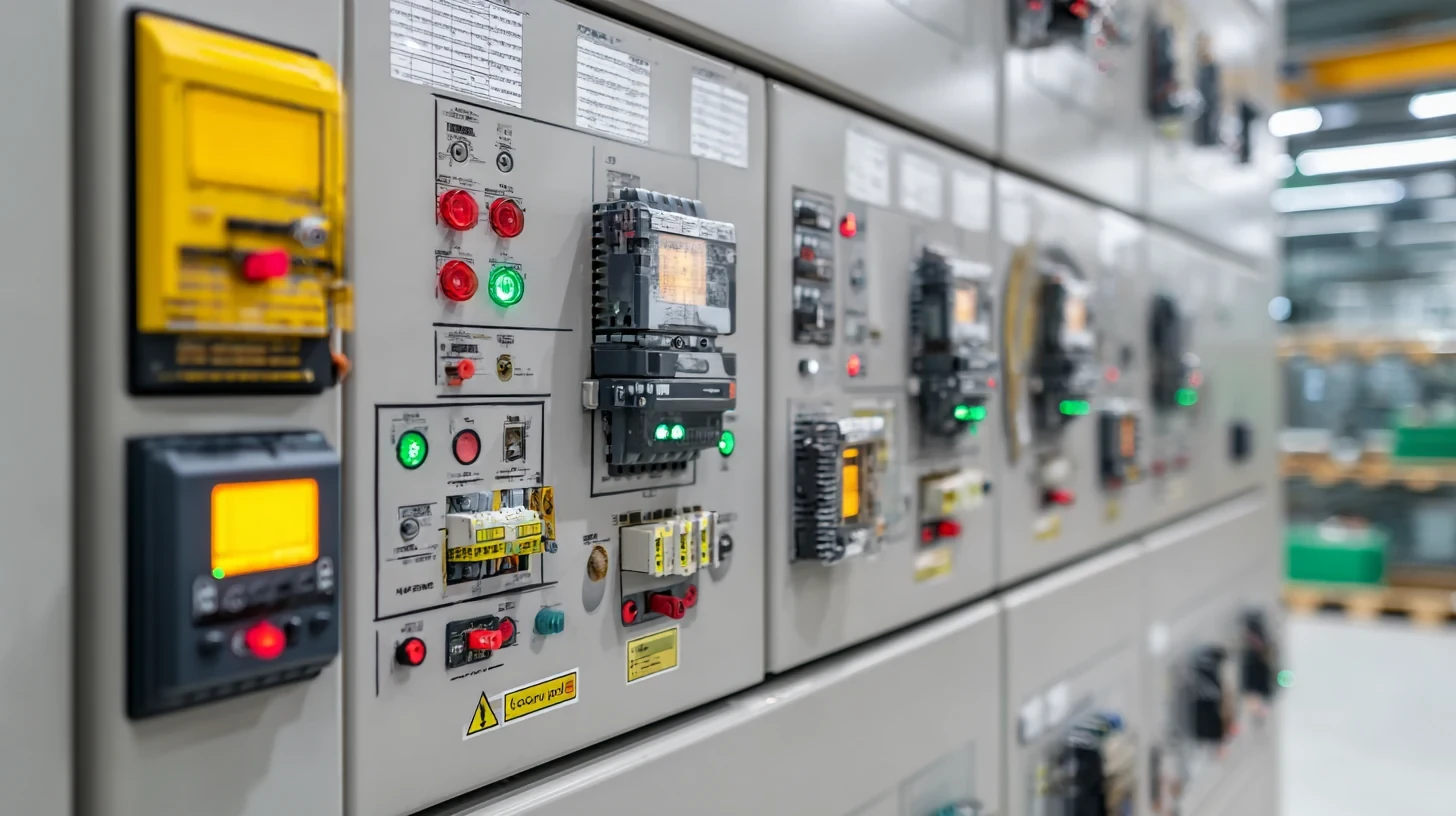
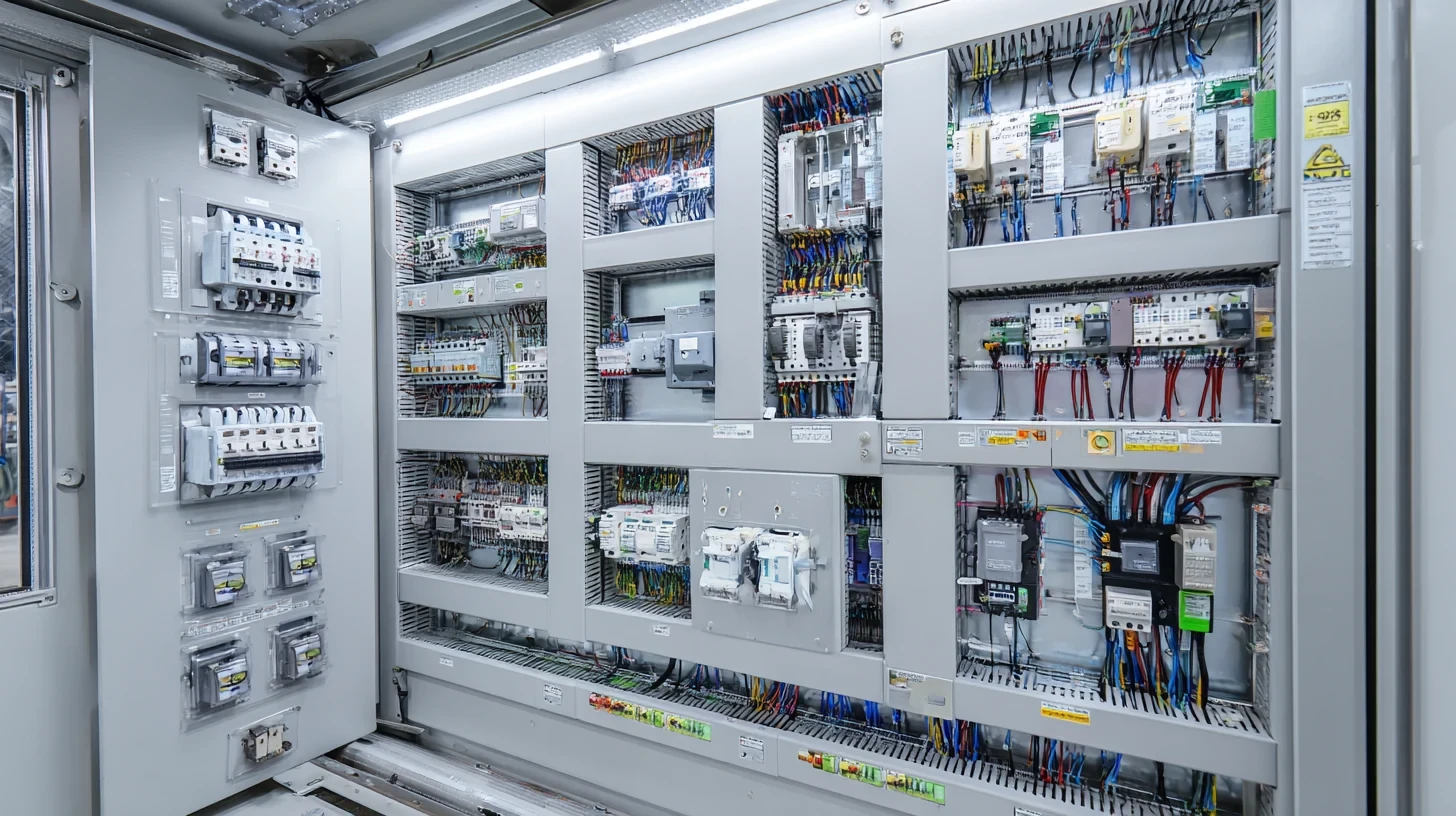
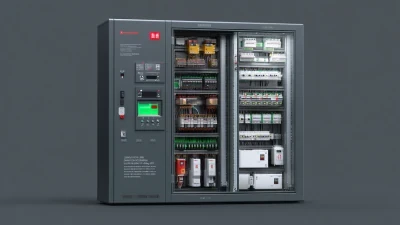
Getting a good grasp of lift control panels is pretty important if you want your elevators and escalators to perform smoothly. Think of these panels as the brain behind the scenes — they’re responsible for managing how the lifts move and operate. Usually, you’ll find key parts like the microcontroller or PLC (that's a programmable stuff that processes signals from sensors), the power supply that keeps everything running reliably, and the human-machine interface, which is basically how users interact with the system without a hitch. Oh, and adding safety features like emergency stop buttons and overload sensors really boosts both safety and reliability.
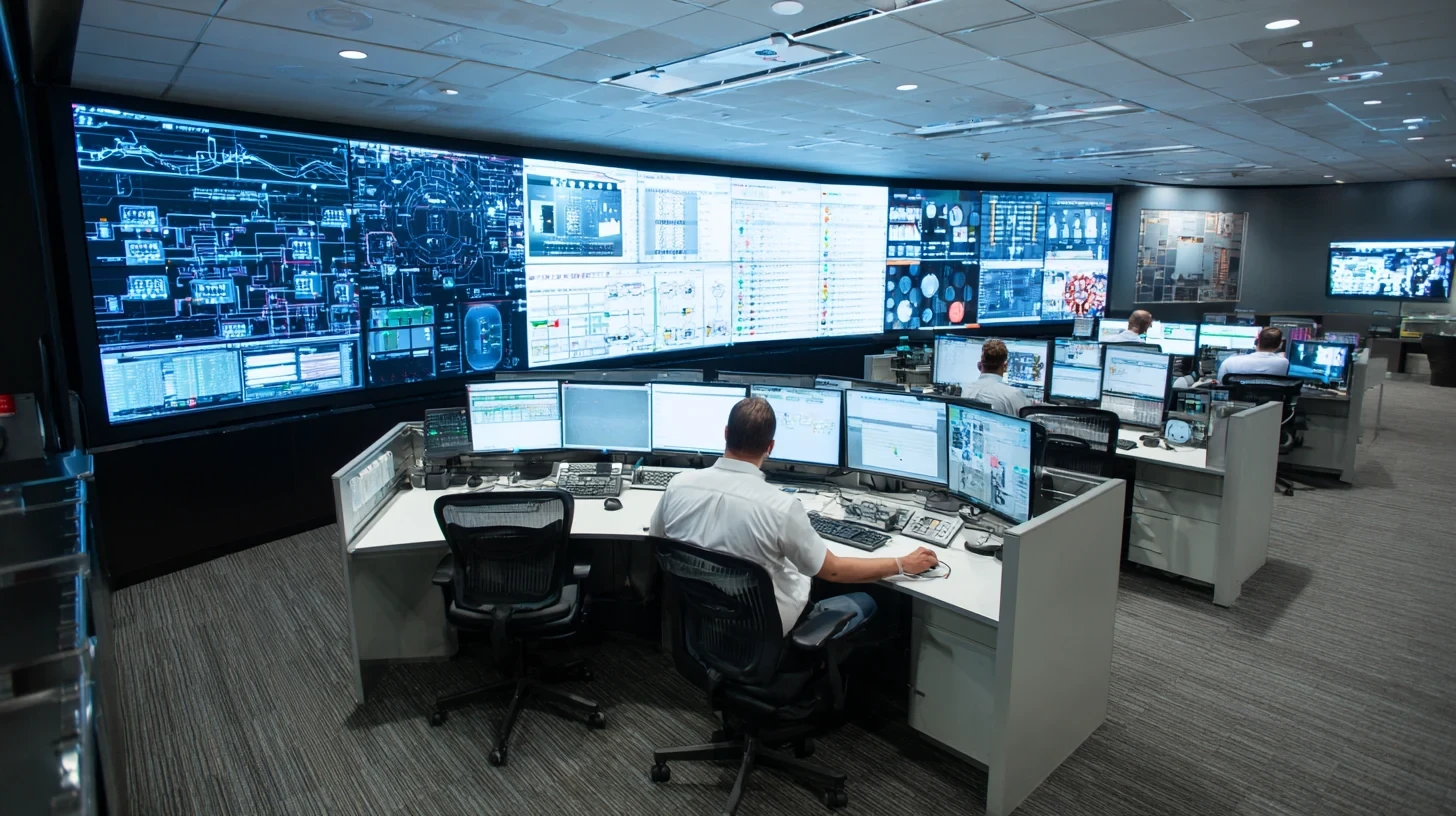
When it comes to sourcing these control panels worldwide, it’s not just about grabbing whatever’s available. You need to understand both the tech side and the regulatory rules. Manufacturers need to follow environmental laws around waste management and resource saving — it’s about staying compliant while also keeping costs in check. This is especially important nowadays since industries are under pressure to become greener and more sustainable. If companies can align their procurement with smart tech and eco-friendly practices, they won’t just get a more efficient lift system — they'll also be helping out with bigger environmental goals.
Basically, whether you're into the tech or the green side of things, understanding and choosing the right lift control panels is a game changer for safety, performance, and sustainability.
Identifying Cost Factors in Lift Control Panel Procurement
When you're out shopping for lift control panels, figuring out the costs involved is pretty important if you wanna make things run smoother and save a bit of cash. One big factor that often gets overlooked is how ergonomically these panels are designed. Turns out, good ergonomic design can really help cut down on musculoskeletal issues among workers — you know, those aches and pains that come from repetitive or awkward positions. This not only keeps workers healthier but also helps you save on insurance premiums and replacement costs over time. A recent industry report mentioned that making ergonomic upgrades can actually give you a pretty solid return on investment — up to 200%, thanks to lower worker compensation costs and boosted productivity.
Cost Factors in Lift Control Panel Procurement
| Label | Cost Factors (%) |
|---|---|
| Material Costs | 30 |
| Labor Costs | 25 |
| Transportation Costs | 15 |
| Tariffs/Taxes | 20 |
| Overhead Costs | 10 |
Evaluating Global Suppliers: Metrics for Quality and Reliability
When you're looking at global suppliers for lift control panels, it’s really important to have a solid set of metrics to base your decisions on. I mean, according to the International Organization for Standardization (ISO), about 70% of procurement folks say that tracking supplier quality really helps cut down on operational risks. Things like defect rates, whether they deliver on time, and how well they stick to regulations — these are the key KPIs you should keep in mind when you're evaluating suppliers.
And don’t forget about the Total Cost of Ownership (TCO). That’s not just the purchase price — it also includes logistics, installation, maintenance, you name it. A study from the Institute for Supply Management shows that companies who keep a close eye on their TCO tend to save around 15-20% on their overall procurement costs. Plus, digging into a supplier’s past performance data can give you a good idea of how reliable they are and whether they can handle demand swings. All in all, focusing on these quality and reliability metrics helps procurement folks work more efficiently and keep costs in check — which is especially important in the super competitive world of global sourcing.
Leveraging Technology for Efficient Procurement Processes
In today’s fast-changing world of procurement, making the most out of technology has really become a must for companies wanting to boost efficiency and cut costs—especially when it comes to sourcing lift control panels. At Zhuhai Link Industrial Co., Ltd., which we started back in June 2017, we’ve jumped right into innovative solutions to make our procurement processes smoother. By using advanced software and digital platforms, we give our procurement teams better insights into the global supply chain. That means they can make faster decisions and negotiate better deals with our suppliers.
Using technology doesn’t just help automate boring, repetitive tasks; it also encourages better teamwork, with real-time data sharing and open communication. For us—selling, installing, and maintaining over 200 elevators a year—that’s a total game-changer. It helps us stay on top of our game without sacrificing quality or racking up higher costs. By constantly improving our procurement approach with the latest tech, we’re not just making things more efficient—we’re also setting ourselves up as a strong competitor in the elevator industry, ready to tackle whatever the market throws at us.
Building Strong Partnerships with Suppliers for Long-Term Success
Building solid relationships with suppliers is pretty much essential if you want your procurement game to last long-term. Working together with vendors doesn't just cut down risks—it also boosts efficiency and can really help save some costs. Spending time and effort to nurture these connections pays off in a big way. When both sides share a common vision and have aligned goals, it sparks innovation and makes suppliers feel truly valued and engaged. That kind of mutual understanding creates a vibe where everyone can do well, which also helps promote sustainability throughout the supply chain.
On top of that, keeping the lines of communication open and regularly giving feedback is crucial for keeping these partnerships strong. Really listening and showing empathy not only strengthen the relationship but can also uncover new opportunities for improvement and growth. When companies treat suppliers like strategic partners, it’s easier to adapt to market ups and downs and respond faster. In the end, a good, solid relationship with your vendors is like the backbone of long-term, sustainable success in global procurement.
Unlocking Elevator Efficiency: The Essential Role of SPBC-II Loose Break Board GCA26800KX5 in OTIS Lift Accessories
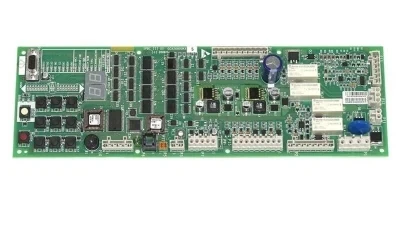
In the world of elevator technology, efficiency and reliability are paramount. The SPBC-II Loose Break Board GCA26800KX5 plays a crucial role in the optimal performance of OTIS lift systems. This essential component acts as a protective mechanism, ensuring that the elevator operates smoothly while minimizing unnecessary wear and tear. With its robust design and high-quality materials, the SPBC-II is engineered to handle the demands of frequent use, contributing significantly to the longevity and efficiency of the elevator.
One of the key benefits of using the SPBC-II Loose Break Board is its ability to enhance safety features within OTIS lifts. This component facilitates immediate fault detection and response, preventing potential malfunctions that could lead to service interruptions. As elevators become more advanced, incorporating high-performance accessories like the GCA26800KX5 is vital for maintaining operational integrity. By integrating this component into your lift system, you not only ensure a seamless user experience but also optimize maintenance cycles, ultimately reducing downtime and operational costs.
As we continue to emphasize the importance of innovation in elevator technology, the SPBC-II Loose Break Board stands out as a testament to how targeted improvements in lift accessories can lead to significant advancements in efficiency and safety. Elevation solutions like the GCA26800KX5 underline the critical role of specialized components in navigating the complexities of modern urban infrastructure, making them indispensable for both new installations and retrofitting existing systems.
FAQS
: Lift control panels serve as the nerve center for controlling the movement and operation of lift systems, processing inputs from various sensors and allowing users to interact with the system.
Key components include a microcontroller or PLC (Programmable Logic Controller), a power supply unit, and a human-machine interface.
Safety features such as emergency stop buttons and overload sensors improve the overall functionality and reliability of lift control panels.
Ergonomic designs can reduce the risk of musculoskeletal disorders among workers, leading to lower injury rates and reduced insurance costs, thus enhancing cost-effectiveness.
High-quality materials can extend the lifespan and reduce maintenance requirements of lift control panels, potentially leading to significant cost reductions over time.
Strong partnerships help mitigate risks, enhance efficiency, and unlock cost savings, while promoting innovation and ensuring suppliers feel valued.
Regular communication, feedback mechanisms, and empathetic listening are key strategies to maintain and strengthen supplier relationships.
Compliance with waste management and resource conservation regulations is essential for producers in optimizing costs and aligning with environmental initiatives.
Research indicates that ergonomic improvements can yield a return on investment of up to 200% by decreasing worker compensation expenses and enhancing productivity.
A collaborative approach promotes a shared vision and aligned goals, fostering an environment that helps both companies and suppliers thrive while adapting to market fluctuations.
Related Posts
-
Exploring Innovations in Lift Control Panel at the Expanding International Trade Landscape of the 137th Canton Fair
-
Elevating Standards: How China's Best Lift Control Panel is Winning Global Markets with Quality
-
Resilient Growth of Chinese-Made Elevator Control Panels Amidst US-China Tariff Challenges
-

Top 10 Elevator Control Panel Manufacturers from China at the 137th Canton Fair
-

Elevator Control Panel Innovations for 2025 Must Have Checklist for Global Buyers
-
Elevating Global Standards in Lift Control Panels with Quality Chinese Manufacturing