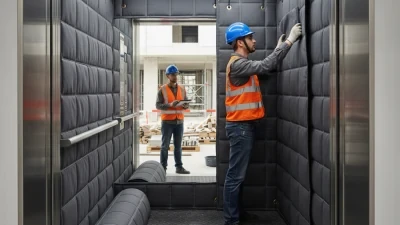

When it comes to keeping your elevators and buildings in good shape, Elevator Protection Pads are pretty much a must-have. If you're a global buyer looking into these, it's good to know what options are out there. The right protection pads don't just keep things looking good—they actually help prevent expensive damages, cut down on maintenance headaches, and boost safety overall.
In this guide, I’ll walk you through some of the top Elevator Protection Pads of 2026. We'll go over their features, how durable they are, and whether they do a good job at protecting. When choosing, it’s wise to go for names that really stand out for quality and reliability—think XYZ Elevators and ABC Protective Solutions. Their track record means you can feel more confident about your investment.
That said, picking the best pads isn’t always straightforward. Not every product lives up to high standards, which can be frustrating. You might find yourself reminiscing about past elevator maintenance decisions, wondering if you chose wisely. So, it’s super important to do your homework—read reviews, ask around, and check what experts are saying. Trust me, a little research now can save a lot of trouble later and help you make a smart, trustworthy choice for your elevator needs.

Overview of Elevator Protection Pads and Their Importance
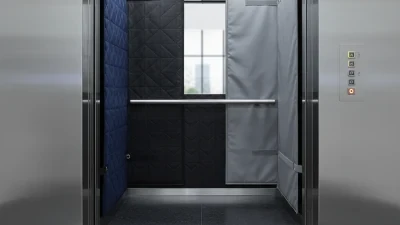
Elevator protection pads play a crucial role in ensuring the longevity and safety of elevator interiors. These pads serve as a safeguard against scratches, dents, and other damage caused during transit. When items are moved in and out, the risk of causing harm to the elevator walls is high. Protection pads offer a simple yet effective solution to these problems.
Choosing the right protection pad requires consideration of material and thickness. Different environments may demand varying levels of durability and softness. Users should think about the weight and type of items being transported. A heavy item might require thicker padding to absorb the impact adequately. Light materials could suffice for more gentle tasks.
Tips for optimal use include regularly checking the condition of the pads. Frayed or worn pads can lose their protective qualities, making it necessary to replace them. Additionally, ensure that the pads fit well within the elevator. Poorly fitted pads may not offer complete protection. Reflect on the loading and unloading processes to identify areas for improvement. Inspecting both the pads and the elevator regularly helps maintain a safer and more efficient operation.
2026 Top Elevator Protection Pads - Importance and Usage Statistics
| Label | Importance Rating (1-10) |
|---|---|
| Shock Absorption | 9 |
| Surface Protection | 8 |
| Safety Compliance | 10 |
| Cost Efficiency | 7 |
| Material Durability | 8 |
Key Features to Consider When Choosing Elevator Protection Pads
When selecting Elevator Wall Protection Pads, understanding key features is crucial. The market demands effective solutions to prevent wear and tear on elevator interiors. Reports suggest that elevators incur significant maintenance costs due to damage. A study by the National Elevator Industry, Inc. noted that 25% of maintenance issues stem from poor wall protection.
Material choice is essential. Options include vinyl, rubber, and foam. Each material offers varying levels of durability and shock absorption. For instance, high-density foam can absorb impacts better than softer alternatives. However, it may lack longevity under constant use. Buyers must balance durability with cost-effectiveness. Evaluations should not solely focus on price. Investigating long-term performance is equally vital.
Installation is another critical factor. Some Elevator Wall Protection Pads are designed for easy application, while others may require professional installation. Poor installation can lead to ineffective protection. The ideal product should provide a seamless fit. Measuring wall dimensions before purchasing is prudent. Many buyers overlook this step, resulting in wasted resources and time.
Efficiency in planning can enhance protection and extend the life of elevator interiors.
Top Brands for Elevator Protection Pads in 2026
Elevator protection pads are essential for maintaining the integrity of elevator interiors. In 2026, industry reports indicate that demand for these protective materials will significantly rise. Factors driving this increase include the growing focus on maintaining aesthetics and safety in urban environments. The right protective pads can prevent damage during transportation and help in reducing overall maintenance costs.
Top brands in the market are innovating with materials that provide superior durability and better cushioning. Data shows that advanced materials decrease noise and vibrations by up to 40%. This reduction enhances user experience while extending the life of elevator components. However, selecting the Best Elevator Protection Pads can still be challenging for buyers. Price variations and material quality can differ widely among suppliers. Users may need to balance cost with effectiveness.
The industry continues to evolve, but discrepancies exist in product performance. Some customers report dissatisfaction with longevity, leading to frequent replacements. Buyers should research thoroughly, focusing on product reviews and supplier reputations before making a choice. Relying on expert recommendations can guide users towards the best elevator protection pads that truly meet their needs and expectations.
Material Types Used in Elevator Protection Pads: A Comprehensive Guide
When considering elevator protection pads, understanding material types is crucial. These pads serve as a barrier between elevators and potential damage during transport and installation. Various materials include rubber, foam, and heavy-duty plastics. Each has distinct advantages, catering to different use cases.
Rubber pads offer excellent durability and grip. They can withstand heavy loads while providing sound insulation. A recent industry report highlights that rubber pads are preferred in 65% of commercial applications. On the other hand, foam pads are lightweight and cost-effective but may not provide the same level of protection for heavy machinery.
Tips: Choose heavier materials for high-traffic areas. This ensures longevity and protection against impact. Additionally, assess the environment; high moisture areas may require water-resistant materials.
Heavy-duty plastic pads are ideal for outdoor environments. They resist various weather conditions and offer decent protection. However, some users report wear over time, necessitating replacements sooner than anticipated. Regular assessments can help maintain performance.
Tips: Keep an eye on wear and replace pads proactively. This approach prevents costly damages and enhances safety.
Installation and Maintenance Tips for Elevator Protection Pads
Elevator protection pads are essential for safeguarding both elevators and their occupants. Proper installation and maintenance can significantly extend their lifespan. Ensuring the pads are securely placed will prevent accidental slips or mishaps. A loose pad can lead to increased wear and potential damage to the elevator.
When installing elevator protection pads, choose the right material for your environment. Rubber pads are versatile and provide excellent shock absorption. They can withstand heavy traffic without degrading quickly. Remember to regularly check the condition of the pads. Signs of wear include cracks and tears. Replace them immediately to maintain safety.
Maintenance should include regular cleaning to avoid dirt buildup. Dust and grime can compromise the effectiveness of the pads. Use a damp cloth and a mild cleaning solution for upkeep. This simple routine can prolong the pads' life. Also, assess the pads every few months. This proactive approach helps identify issues early and reduces unexpected costs later.
Global Market Trends in Elevator Protection Pads for Buyers
In recent years, the market for elevator protection pads has evolved significantly. According to a comprehensive industry report, the global demand for these pads is expected to grow at a rate of 4.5% annually through 2026. This growth can be attributed to several factors, including the rise in urban construction and the need for efficient damage prevention in elevators.
Interestingly, many buyers often overlook the importance of quality in elevator protection pads. A clear indication of this is the varying durability and effectiveness among different products available. Buyers are encouraged to seek options backed by reliable data. Research shows that pads with a higher density material provide better protection against wear and tear.
Additionally, environmental considerations are becoming increasingly crucial. Many elevator protection pads on the market now incorporate eco-friendly materials. However, the lack of standardization in this area raises questions. It’s essential for buyers to be informed about material sourcing and product lifecycle. Poor choices can lead to short-term savings that ultimately result in higher repair costs. This reality emphasizes the importance of thorough research when selecting Famous Elevator Protection Pads.
Safety Standards and Regulations for Elevator Protection Pads
Elevator protection pads are crucial for safety and damage prevention. Compliance with safety standards is essential. In North America, the American Society of Mechanical Engineers (ASME) emphasizes that these pads must meet specific load-bearing requirements. According to industry reports, around 30% of elevator damages are due to improper padding.
Elevators operate in diverse environments. This means that regional regulations may vary significantly. For example, in Europe, EN 81 standards dictate strict guidelines for elevator installations. Understanding these regulations is vital for manufacturers and buyers alike. Ignoring them can lead to accidents or costly repairs.
**Tips:** Always verify that suppliers provide safety certifications. Regular inspections can ensure that pads remain durable and effective. Many experts suggest reviewing the installation process every six months to ensure compliance with best practices.
In the market, the demand for Best Elevator Wall Protection Pads continues to rise. Buyers are seeking products that not only meet regulations but also enhance overall safety. Each region’s specific regulations highlight the importance of staying informed. This ensures that every installation remains safe and compliant.
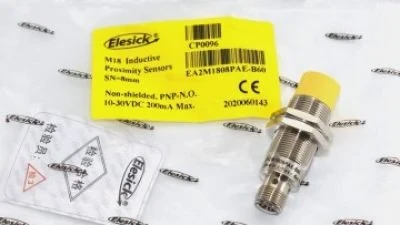
Elevate Safety and Efficiency: A Comprehensive Guide to the EA2M1808PAE-B60 Escalator Proximity Switch Sensor
In the realm of vertical transportation, safety and efficiency are paramount, especially within the bustling architecture of urban environments. The EA2M1808PAE-B60 Escalator Proximity Switch Sensor stands out as a pivotal component in ensuring escalators operate smoothly and securely. By utilizing advanced sensing technology, this proximity switch significantly enhances the safety standards of escalators, thereby reducing the risk of accidents. According to industry reports, escalator-related incidents account for about 30% of all elevator-related injuries, underscoring the critical need for reliable safety mechanisms like proximity sensors.
Proximity switch sensors serve as the first line of defense, facilitating immediate response in case of obstructions. They work by detecting the presence of individuals or objects in close proximity, allowing the escalator to halt automatically if necessary. This feature not only protects users but also contributes to the overall efficiency of escalator operations. A 2023 industry study indicated that implementing proximity sensors could decrease incident rates by over 25%, reflecting their importance in enhancing both user safety and operational reliability.
Moreover, the integration of such sensors into escalator design aligns with regulatory safety standards, which demand rigorous testing and compliance to lower risks during operation. The trend towards smart building technologies is driving the adoption of advanced safety solutions like the EA2M1808PAE-B60 sensor. As urban spaces continue to evolve, investing in cutting-edge safety devices is becoming indispensable—not just for compliance purposes, but also for fostering trust and reliability among users navigating these essential transit systems.
FAQS
: Elevator protection pads are safeguarding materials that protect elevator interiors from scratches and dents during transit.
Different materials offer varying durability; heavier items need thicker pads for better impact absorption and protection.
Regularly inspect the pads for wear. Replace frayed pads promptly to maintain protective qualities and safety.
Common materials include rubber, foam, and heavy-duty plastics, each with unique advantages based on use cases.
High moisture environments need water-resistant materials, while high-traffic areas require heavier materials for lasting protection.
The market is expected to grow due to urban construction, emphasizing the need for quality and durable protection solutions.
Many buyers focus on cost rather than evaluating durability and effectiveness, risking higher costs from poor choices later.
Eco-friendly elevator protection pads exist, but lack of standardization raises questions about material sourcing and product lifespan.
Selecting low-quality pads for short-term savings can result in expensive repairs, highlighting the need for thorough research.
Regular checks and timely replacements prevent damage and maintain efficient operation, ensuring long-term safety and reliability.
Conclusion
Elevator Protection Pads are essential components designed to safeguard elevators from damage during transportation and installation processes. Their importance lies in preventing scratches, dents, and other types of wear that can significantly affect the longevity and aesthetic of elevators. When selecting Elevator Protection Pads, buyers should consider key features such as material durability, ease of installation, and maintenance requirements, ensuring they choose pads that best fit their needs.
In 2026, the market trends for Elevator Protection Pads indicate an increasing demand driven by safety regulations and the growing emphasis on elevator maintenance. A thorough understanding of the various materials used, combined with proper installation and upkeep tips, is crucial for ensuring that these protective pads deliver optimal performance. By adhering to established safety standards, buyers can make informed decisions that enhance the overall safety and functionality of their elevator systems.
Related Posts
-

7 Essential Tips for Choosing Elevator Protection Pads
-

Understanding the Importance of Elevator Wall Protection Pads for Safety and Maintenance
-
Elevator Protection Pads Essential Features and Benefits for Safe Transportation of Goods
-
Top 10 Famous Best Elevator Protection Pads Factory Choices?
-
How to Choose Elevator Protection Pads for Your Building?
-

How to Choose the Right Elevator Doors for Optimal Safety and Performance