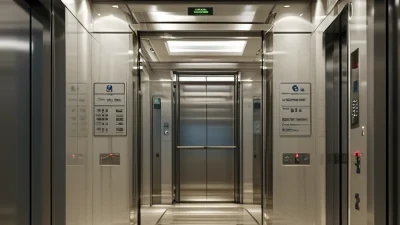

When it comes to vertical transportation, elevator doors are a pretty important piece of the puzzle. They do more than just keep people safe – they also add a touch of style to a building’s appearance. Picking the right kind of elevator doors isn’t just a technical decision; it’s about blending function with a bit of flair. For global buyers, this choice really matters.
As the demand for modern elevators keeps growing, it can get a bit overwhelming with so many options out there. You’ve got sliding doors, hinged ones, and a bunch of different designs, each with their own perks. Honestly, figuring out what’s best isn’t always straightforward and often calls for some know-how. Plus, you’ve got to keep in mind the local rules and standards, which can get pretty complicated and sometimes tricky to navigate.
The world of elevator doors keeps changing too—new trends, tech advancements, all that stuff. Staying in the loop is key if you want to make smart choices. Of course, quality and dependability should always be top priorities, but if you don’t do your homework, you might end up making some costly mistakes. So, take your time, weigh all your options, and remember—it's a bit complex, but that’s just the nature of elevator doors.
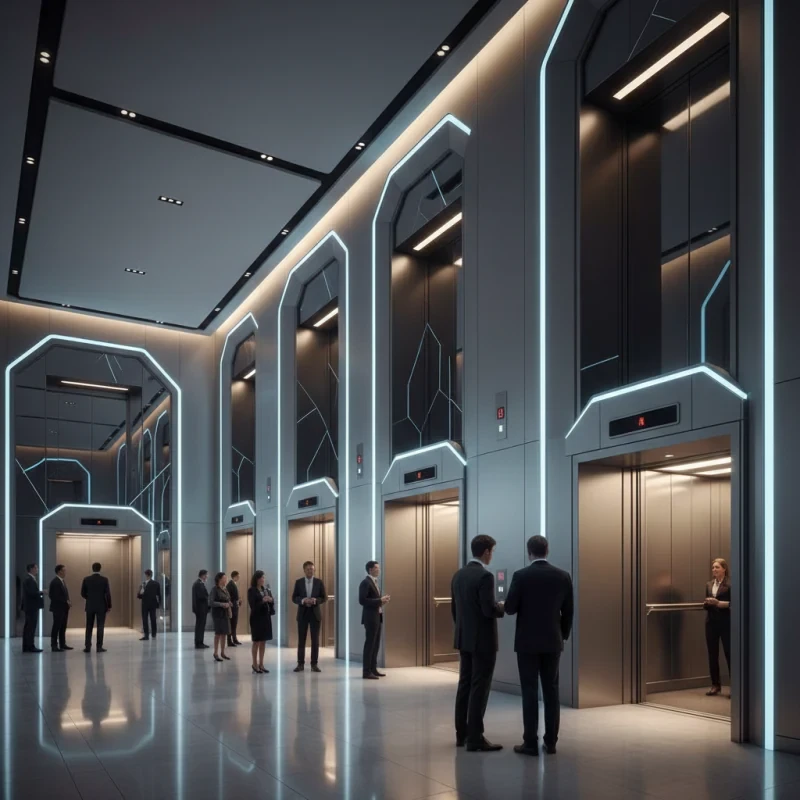
Overview of Elevator Door Types for 2026 Global Market
Choosing the right elevator doors is crucial for functionality and aesthetics in any building. The global market in 2026 offers various types of doors, each suited for different needs. Sliding doors, for instance, save space and are perfect for high-traffic areas. They can be more complex in function but offer a sleek look. Another option is hinged doors, which are common in residential settings. They require more space to open but can be simpler to install.
When looking for the Best Elevator Doors, consider the material as well. Stainless steel is durable and easy to maintain, while glass doors provide a modern feel that many developers prefer. Sound insulation is also a crucial factor, influencing user comfort. If noise reduction is essential, choose doors designed specifically for lower sound levels.
Tip: Regular maintenance ensures doors function correctly and last longer. Inspecting hinges and seals can prevent future issues. Always assess the space requirements and user volume when selecting your doors. This may seem straightforward, but overlooking these details can affect overall efficiency. Think critically about your choices; not every option will be suitable for every setting.
Key Features to Consider When Choosing Elevator Doors
When selecting elevator doors, several key features come into play. Safety is paramount, with regulations stating that all elevator components must adhere to strict safety standards. A 2021 industry report indicated that over 30% of elevator accidents are related to door malfunctions. Therefore, investing in durable, high-quality materials is crucial for minimizing risks.
Another important factor is the door's opening mechanism. There are various types of systems, including folding, sliding, and swing doors. Each comes with its pros and cons. For example, sliding doors save space but can be slower than swing doors. A survey indicated that 65% of building managers prefer automatic mechanisms for their efficiency. People appreciate the convenience of "Famous Elevator Doors" that enhance user experience and operational flow.
Furthermore, aesthetics should not be overlooked. The door's design can impact a building's overall appearance. Modern materials like glass can create an open and inviting feel. However, maintenance can be a challenge, as fingerprints and dirt are more visible on glass. It's essential to strike a balance between visual appeal and practicality. Failure to consider these aspects might result in dissatisfaction among users.
Material Selection for Durability and Aesthetics in Elevators
Material selection plays a crucial role in elevator door design. Choosing the right materials impacts both durability and aesthetics. Common materials include stainless steel, glass, and aluminum. Each has its unique characteristics and benefits, which can influence overall performance.
Stainless steel provides robustness and a modern look. It resists corrosion, making it suitable for high-traffic areas. However, the reflective surface may show smudges and fingerprints more easily. Glass doors offer a sleek appearance and can create a sense of space. Yet, they require regular cleaning to maintain transparency and avoid potential safety issues associated with breakage.
Aluminum is lightweight and available in various finishes. While it’s durable, it may not stand up to heavy impacts as effectively as stainless steel. Buyers should consider the intended use and environment before making a decision. Consulting with experts can ensure that the selected material aligns with both functional needs and design preferences.
Safety Standards and Regulations for Elevator Doors
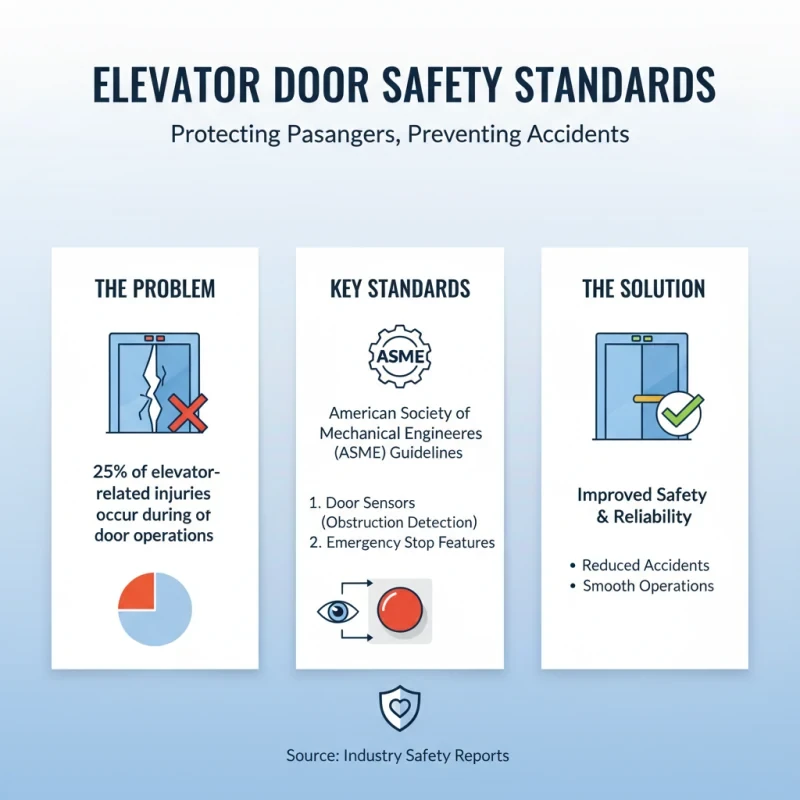
Elevator door safety is critical for preventing accidents and ensuring smooth operations. According to industry safety reports, nearly 25% of elevator-related injuries occur during door operations. Proper adherence to safety standards, such as those from organizations like the American Society of Mechanical Engineers (ASME), is vital. These guidelines emphasize the importance of door sensors and emergency stop features for enhancing user safety.
Regulations in various regions mandate that elevator doors must have anti-pinch features. These features protect passengers from harm when doors close. The International Organization for Standardization (ISO) also sets strict protocols. Inspections are necessary to ensure compliance with safety codes. However, not all elevators meet these benchmarks. Many older models lack modern safety mechanisms.
Elevator door design must balance safety and aesthetics. Manufacturers face challenges integrating advanced technology while keeping costs manageable. Regular audits by safety engineers can identify compliance gaps. This ongoing assessment is essential for maintaining high safety standards. The evolving nature of technology presents opportunities for innovation in safety measures.
Technological Innovations Shaping Elevator Door Designs
Technological innovations are driving changes in elevator door designs. Smart sensors are now standard, enhancing safety. These sensors can detect obstacles, preventing accidents. Additionally, automatic door systems are becoming more efficient. They respond faster and reduce wait times, improving user experience.
The shift towards eco-friendly materials is notable. Sustainable options are now available, appealing to environmentally-conscious consumers. However, the longevity of these materials is still in question. Some newer materials lack durability compared to traditional choices. This poses challenges for manufacturers aiming to balance sustainability and quality.
High-Quality Elevator Doors are essential for security and performance. Designers are experimenting with various finishes, integrating aesthetics with function. Yet, achieving the perfect blend of style and durability remains a struggle. Innovations in technology can enhance designs, yet the practical applications can sometimes fall short. Elevators must reflect modern needs while ensuring reliability.
Cost Analysis: Budgeting for Elevator Door Investment
Investing in elevator doors requires careful planning. A well-structured budget can prevent unexpected expenses. According to industry reports, the installation costs of elevator doors can range from $1,000 to $5,000. This wide variation depends on the complexity of the design and installation. Additionally, maintenance costs can add another $100 to $500 annually. Unexpected repairs can disrupt budgets; setting aside reserves is crucial.
Collaboration with an Elevator Doors Factory ensures quality and reliability. Many factories offer custom solutions, which can increase upfront costs but may enhance long-term value. With a custom design, building owners might face a higher initial investment but often achieve better aesthetics and functionality. Elevators that integrate advanced safety features may have higher price points, yet they can lower insurance premiums over time.
Understanding the total cost of ownershipis vital. This approach includes installation, maintenance, and even energy consumption. A poorly chosen elevator door can lead to increased operational costs. Furthermore, building codes and safety regulations may require specific door features that add to the overall expenditure. Investing time in research can yield significant financial returns in the long run.
Maintenance Tips for Prolonging Elevator Door Lifespan
When it comes to maintaining elevator doors, attention to detail is essential. Regular inspections can prevent larger issues. Look for signs of wear or misalignment. No one wants a malfunctioning door causing delays or safety risks.
One effective tip is to keep the tracks clean. Dust and debris can accumulate, leading to operational problems. A simple weekly wipe down can make a significant difference.
Lubrication of hinges and rollers should not be overlooked. A little grease can smooth out the operation, but be careful not to overdo it.
Monitor the door's opening and closing speed. It should be consistent. If it starts to slow down, it’s time to check for issues. Regular professional servicing is crucial for overall longevity. Scheduled maintenance helps identify problems early, ensuring safer and more reliable elevator operation.
Comprehensive Guide to 65000238-V12 SCL-C5 Display Board: Enhancing Hitachi Elevator Performance
The 65000238-V12 SCL-C5 Display Board serves as a crucial component in optimizing the performance of elevator systems, particularly in enhancing the operational efficiency of modern vertical transport solutions. With the increasing demand for reliable and high-performance elevators, integrating advanced display technologies has become imperative. This display board not only provides essential real-time data about the elevator's status but also facilitates smoother communication between the user interface and the machinery, ultimately contributing to user satisfaction and safety.
Recent studies in the elevator industry indicate that integrating advanced display technologies can lead to a 15% increase in energy efficiency. Moreover, a well-optimized display system reduces maintenance downtime, which can account for up to 25% of operational costs in elevator management. The 65000238-V12 SCL-C5 Display Board is designed to be highly responsive and user-friendly, enhancing the rider experience by providing clear and concise operational feedback. This ensures that users are constantly informed and reassured during their journey, which is essential in high-traffic environments.
The significance of incorporating this innovative display board extends beyond just user interaction. According to industry data, elevators equipped with modern display technologies can operate at a 20% higher speed in response times, thus improving overall traffic flow in multi-story buildings. By harnessing the capabilities of the 65000238-V12 SCL-C5 Display Board, building managers and elevator operators can ensure their systems not only meet but exceed the increasing expectations of safety and efficiency in the competitive landscape of vertical transport solutions.

FAQS
: Common materials include stainless steel, glass, and aluminum. Each has unique benefits and drawbacks.
Stainless steel offers robustness and a modern look. It's also resistant to corrosion.
Its reflective surface may show smudges and fingerprints easily, requiring regular cleaning.
Glass doors create a sleek appearance and a sense of space. However, they require regular cleaning.
Consider durability, aesthetics, intended use, and the environment before making a final decision.
Installation costs can range from $1,000 to $5,000, depending on design complexity and installation.
Maintenance costs can add another $100 to $500 annually, depending on the door and usage.
A well-structured budget can help prevent unexpected expenses and ensure long-term value.
Custom designs may increase upfront costs but can enhance aesthetics and functionality in the long run.
It could lead to increased operational costs and affect energy consumption negatively.
Conclusion
The article titled "2026 Best Elevator Doors for Global Buyers Guide" provides a comprehensive overview of the different types of elevator doors available in the global market for 2026. It emphasizes the key features to consider when selecting elevator doors, including material selection for both durability and aesthetics. Safety standards and regulations are outlined to ensure compliance, while the discussion on technological innovations highlights emerging designs that enhance functionality and user experience.
Furthermore, the article includes a cost analysis that assists buyers in budgeting for their elevator door investment. Maintenance tips are also provided, offering strategies for prolonging the lifespan of elevator doors and ensuring long-term efficiency. This guide serves as an essential resource for global buyers looking to make informed decisions in the evolving landscape of elevator door options.
Related Posts
-

How to Choose the Right Elevator Doors for Optimal Safety and Performance
-
2025 How to Choose the Best Elevator Doors for Your Building's Safety and Efficiency
-
What is an Elevator Door Sensor and How Does it Work?
-
Exploring the Benefits of Elevator Access Control Board for Modern Buildings
-

5 Essential Features You Must Know About Elevator Wall Protection Pads
-

Elevate Your Experience with China Made Best Ai Powered Elevator Controllers for Global Excellence