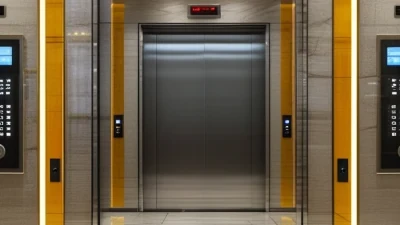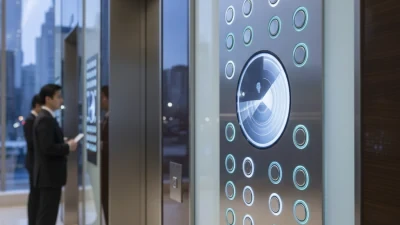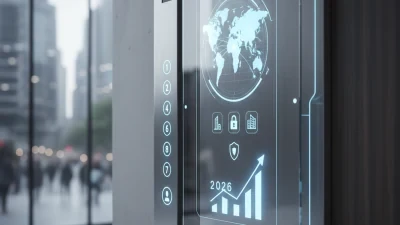
When it comes to elevator tech, I really can’t stress enough how important the Elevator Control Panel is. I mean, John Smith from ElevateTech Solutions put it pretty well when he said, "The control panel is like the brain of the elevator system—it keeps everything running safely." That really underscores how crucial this little panel is in controlling everything about the elevator’s operation.
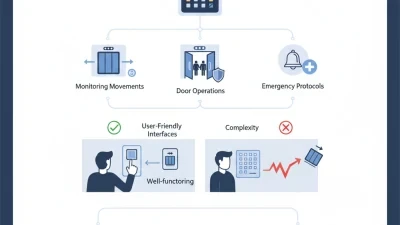
A good, working control panel isn't just about smooth rides; it’s actually a big deal for passenger safety too. It keeps an eye on the elevator’s movements, door functions, and even kicks in during emergencies. If something goes wrong with it, well, that could spell disaster—serious safety risks and all.
Most control panels today try to be user-friendly, which is great, but sometimes they can get pretty complicated, making life tricky for operators. It’s like trying to decode a secret message at times!
And let’s not forget about maintenance—this is super important but often kind of overlooked. Regular check-ups can catch issues before they turn into major problems. Sadly, routine inspections can sometimes become a bit of a chore, leading to complacency. Still, the risks involved are real, and they remind us that there’s always room for improvements. As technology evolves, we gotta keep revisiting and upgrading these panels to make sure everyone stays safe and sound.
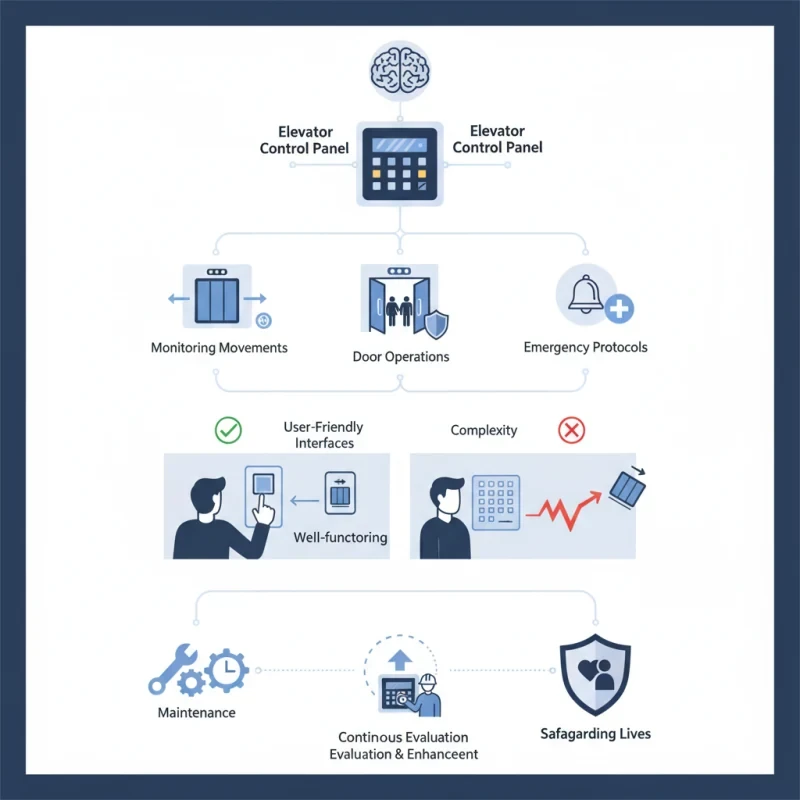
Functions of an Elevator Control Panel in Safety Mechanisms
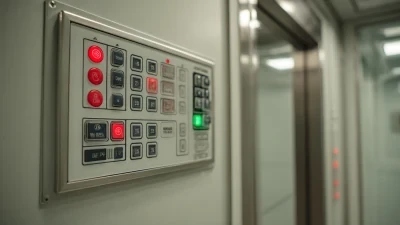
The elevator control panel plays a vital role in safety mechanisms. It allows users to operate the elevator efficiently. Each button and light serves a purpose. Clear labeling helps users understand the functions easily, reducing confusion. Access to emergency buttons is also crucial. They provide immediate assistance in case of a malfunction.
Moreover, the control panel contains safety features that monitor the elevator's status. For example, a door sensor prevents the elevator from moving if the doors are not fully closed. This simple yet effective mechanism protects users from potential hazards. However, some panels may lack intuitive designs. Poorly designed panels can lead to accidents.
Regular maintenance is essential for the control panel's functions. If the panel is not checked periodically, it can become outdated. Buttons may wear out, and indicators might fail. This neglect can indeed compromise safety. Therefore, evaluating the control panel's effectiveness is necessary. Users should be aware of its importance in their daily usage.
Why is an Elevator Control Panel Important for Safety? - Functions of an Elevator Control Panel in Safety Mechanisms
| Function | Description | Safety Mechanism |
|---|---|---|
| Emergency Stop | Allows users to halt the elevator immediately in case of an emergency. | Prevents accidents and injuries during malfunction. |
| Alarm System | Signals distress and notifies emergency personnel when activated. | Improves response time in emergencies. |
| Door Sensors | Detects objects in the doorway to prevent injuries. | Ensures safe entry and exit for passengers. |
| Overload Indicator | Alerts users when weight capacity is exceeded. | Prevents mechanical failures due to excessive load. |
| Call Buttons | Allows passengers to request the elevator. | Facilitates safe and efficient elevator operation. |
Components of an Elevator Control Panel and Their Safety Roles
An elevator control panel is critical for passenger safety. It includes several key components that work together to ensure safe operation. The door controls are essential. They prevent the doors from closing when someone is in the way. According to industry reports, door safety systems reduce accidents by over 50%.
Another crucial component is the emergency stop button. This button allows users to halt the elevator in case of a malfunction. Having it easily accessible can prevent serious injuries. Studies show that elevators with prominent emergency features have lower incident rates.
Tips: Always check the control panel before use. Familiarize yourself with the emergency features. If something feels off, do not hesitate to use the emergency stop. Understanding the panel can save lives. Regular maintenance of the panel is vital, too. Components can wear down, leading to potential hazards.
It is important that panels are user-friendly. Complicated controls can confuse passengers. An effective design simplifies usage and boosts safety. Research indicates that intuitive interfaces encourage proper use, which enhances safety. Regular training for staff can reinforce this knowledge.
How Elevator Control Panels Prevent Accidents and Malfunctions
Elevator control panels are critical for ensuring safety in buildings. They serve as the hub for all operations and monitoring of elevator functions. According to data from the International Association of Elevator Engineers, malfunctioning elevators account for approximately 20% of accidents in commercial buildings. A well-designed control panel can prevent these incidents through effective monitoring and timely alerts.
These panels feature buttons for floor selection and emergency functions. Many modern systems include safety protocols that activate when a problem is detected. For instance, sensors can automatically lock doors to prevent accidents if the elevator is out of alignment. In 2022, a report from theElevator Industry Group indicated that installation of advanced control panels reduced malfunction-related injuries by over 30%. This emphasizes the importance of updated technology.
However, it is essential to acknowledge that not all control panels are created equal. Some older systems may lack effective diagnostic tools. Regular maintenance is crucial to avoid potential failures. Inspections can identify weak spots, ensuring the panel functions correctly. Building managers should prioritize upgrades. Enhancing the control panel not only improves safety but also boosts overall operational reliability. The challenge lies in staying ahead of potential issues before they escalate.
User Interface Design: Ensuring Safety Through Intuitive Controls
An elevator control panel acts as the bridge between users and safe transportation. Its design is essential for ensuring easy interaction. A clear layout can prevent confusion in emergencies. Sharp colors, bold symbols, and intuitive buttons guide users effortlessly. This is vital during high-stress situations.
Intuitive controls enhance user experience. A simple interface reduces errors. For example, large, labeled buttons prevent mispressing. But what if the design is too simplistic? Users might overlook vital options, such as emergency buttons or alarms. Balancing simplicity and detail is tricky. It’s crucial to test designs with real users.
User feedback can reveal flaws. Some might not use safety features because they look complicated. Designers should encourage users to engage with the interface. Observations can highlight where improvements are needed. Continuous refinement makes the interface user-friendly while prioritizing safety.
Elevator Control Panel Safety Features Analysis
| Label | Importance Level (1-10) |
|---|---|
| Emergency Button | 9 |
| Floor Selection | 8 |
| Alarm System | 7 |
| Overload Indicator | 6 |
| Maintenance Alerts | 5 |
Maintenance and Inspection Protocols for Elevator Control Panels
Elevator control panels are crucial for ensuring safety. Regular maintenance and thorough inspections can prevent malfunctions. A simple check-up can save lives. Technicians should inspect wiring and circuit boards. Loose connections can lead to dangerous situations. A malfunctioning panel may cause the elevator to stall or overshoot floors. This can panic users.
In addition to wiring, software updates are vital. Outdated systems may lack necessary safety features. Regular software checks help catch errors early. The process isn’t always perfect. Technicians might miss small issues during inspections. These oversights could lead to future failures. Prioritizing training ensures that operators are skilled. They must understand both hardware and software components.
Routine maintenance checks should be documented. Records help track any recurring problems. Addressing issues promptly is essential for long-term safety. Elevators often serve many people daily. Ensuring control panels function correctly is non-negotiable. Safety protocols must be a priority in any building. This commitment keeps everyone secure.
Regulatory Standards Governing Elevator Control Panel Safety
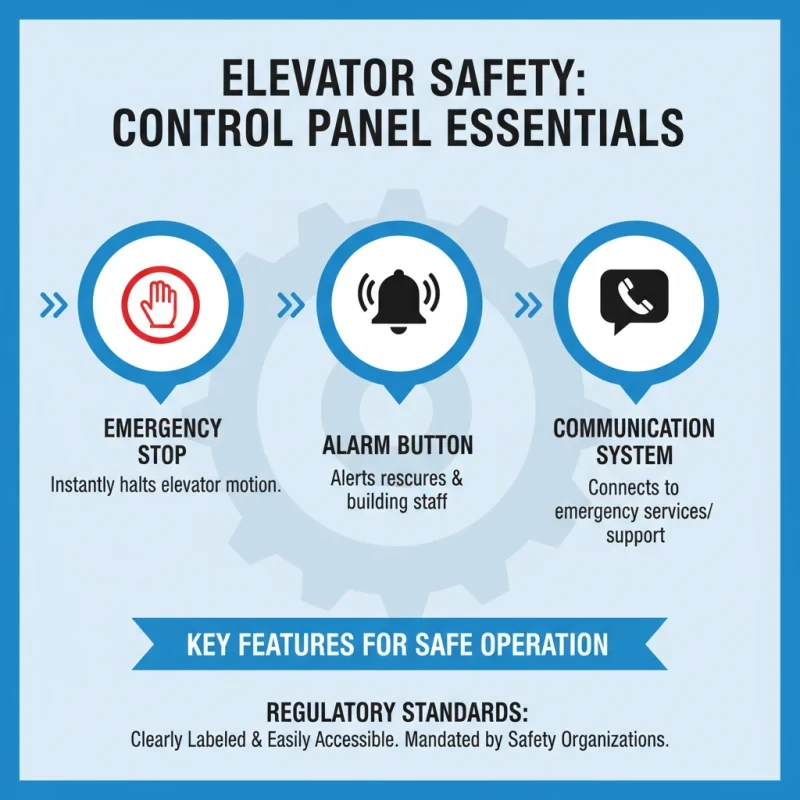
Elevator control panels play a vital role in ensuring safety during elevator operations. These panels include crucial features like emergency stop buttons, alarms, and communication systems. It’s essential for users to know how to operate these controls effectively. Regulatory standards set forth by safety organizations mandate that these panels must be clearly labeled and easily accessible.
Regulatory standards often vary by region. However, they typically emphasize reliability and user-friendliness. For instance, in many areas, control panels must have distinct markings for emergency functions. These regulations are meant to minimize confusion during emergencies. Some designs, however, still leave room for improvement. Users sometimes struggle to identify critical functions under duress.
Ongoing assessments of control panel designs are necessary. Feedback from operators can highlight usability issues. This continuous improvement is crucial for maintaining high safety standards. As technology evolves, it is also important to adapt regulations accordingly. Elevators should be safe and intuitive, but we must remain vigilant to ensure compliance and user awareness.
Emerging Technologies in Elevator Control Panel Safety Features
Elevator control panels play a critical role in ensuring passenger safety. Recent advancements in technology have significantly enhanced their capabilities. Smart sensors can detect malfunctions and send alerts in real time. If an elevator starts moving erratically, these sensors can halt its operation. This immediate response can save lives.
Another exciting development is the integration of voice recognition systems. Passengers can now communicate with the elevator in a natural way. For instance, asking the elevator to go to a specific floor becomes easy. However, there can be challenges. Sometimes, the recognition fails due to background noise. Such limitations remind us that technology must continuously improve.
Moreover, biometric security measures are emerging. Facial recognition can help ensure that only authorized users access certain floors. While this sounds promising, privacy concerns arise. People might feel uneasy about being constantly scanned. Striking a balance between security and personal privacy remains a topic for reflection. In this ever-evolving landscape, it’s essential to keep questioning the implications of these technologies.
Maximizing Efficiency with the KM712542G01 Weighing Device: Essential KONE Elevator Lift Accessories
The KM712542G01 weighing device is a pivotal accessory in optimizing the operations of KONE elevator lift systems. As the demand for efficient vertical transportation continues to rise, integrating high-performance weighing solutions like this device can provide significant advantages. A study by the World Economic Forum indicates that the global elevator market is projected to reach $149 billion by 2025, emphasizing the necessity for tools that enhance operational efficiency and safety.
Incorporating advanced weighing technology, such as the KM712542G01, allows for real-time monitoring of load capacities, which is crucial in maintaining safety standards and operational efficiency. According to a report from the International Elevator and Escalator Association, elevators equipped with accurate load management systems exhibit a 20% reduction in energy consumption compared to standard models. This statistic highlights the transformative potential of precise weighing devices in optimizing elevator performance while reducing overall operational costs.
Moreover, the KM712542G01's design and functionality facilitate seamless integration with existing elevator systems. The importance of regular maintenance and precise load measurement extends beyond safety; it significantly impacts service lifespan and customer satisfaction. Industry research suggests that elevators with integrated weighing systems can reduce maintenance costs by up to 15%, further underscoring the necessity of such accessories in the modern elevator ecosystem. By maximizing efficiency through innovative technology, stakeholders can ensure sustainable and reliable elevator operations in an increasingly demanding market.
FAQS
: This product aims to enhance user experience and efficiency. It simplifies tasks and saves time.
Anyone looking for a solution can use this product. It's designed for a wide audience.
Basic understanding of similar tools is helpful. A stable internet connection is also necessary.
Key features include user-friendly interfaces, customizable settings, and reliable support options. These enhance usability.
New users might need some time to get familiar. However, most learn quickly with practice.
Yes, it supports usage across various devices. This allows flexibility and convenience in accessing your work.
Customer support is available to assist with issues. However, response times can vary based on demand.
Users sometimes report difficulty in initial setup. Keeping up with updates can also be a concern for some.
Updates are released periodically, but the schedule can be inconsistent. Users may need to check regularly for new features.
A trial version is often provided. This lets users evaluate its suitability before committing.
Conclusion
The Elevator Control Panel plays a crucial role in ensuring the safety and efficiency of elevator operations. Its functions include regulating the elevator's movements, monitoring safety mechanisms, and facilitating communication with emergency services. Each component of the control panel is designed with specific safety functions, such as overload detection, emergency stop options, and door sensor systems that prevent accidents and malfunctions.
Moreover, user interface design is vital for providing intuitive controls that enhance user safety, making it easier for passengers to operate the elevator correctly. Regular maintenance and inspection protocols are essential to uphold safety standards, and compliance with regulatory standards ensures that elevators operate safely in public and private spaces. With the emergence of new technologies, Elevator Control Panels are continually evolving, incorporating advanced safety features that further reduce risks and improve overall elevator safety.
Related Posts
-
Exploring Innovations in Lift Control Panel at the Expanding International Trade Landscape of the 137th Canton Fair
-
How to Choose the Best Elevator Control Panel for Your Business Needs
-
Top 10 Lift Control Panel Features You Need to Know About
-
Exploring the Benefits of Elevator Access Control Board for Modern Buildings
-
How to Choose the Right Lift Control Panel for Your Building Needs
-
What is a Lift Control Panel and How Does It Revolutionize Vertical Transportation?