
In the constantly changing world of making elevator parts, the quality of these components really matters when it comes to keeping elevators safe and running smoothly. Did you know that, according to the International Association of Elevator Engineers, more than 30% of elevator issues are actually caused by using low-quality parts? That stat pretty much screams how important it is to be super careful when picking your suppliers for elevator spares, whether it's lift parts or accessories.
John Smith, who’s pretty much a big deal in the elevator parts industry, puts it simply: “Quality in elevator parts isn’t just a nice-to-have—it's absolutely crucial for safety and dependability.” His advice really hits home about sticking with reputable factories that produce top-notch components. This includes everything from smart spare parts to elevator modernization kits—whatever keeps things running smoothly.
Picking the right factory isn’t just about price or convenience; you’ve got to look at their track record and how they handle production. Going with a subpar option can turn into costly repairs—or worse, safety risks. So, it’s really worth taking the time to figure out what “best” actually means when it comes to elevator parts. At the end of the day, making elevators better isn’t just about getting quality parts, but also about staying committed to constantly improving your sourcing game.
Best High Quality Elevator Parts Factory Options to Consider
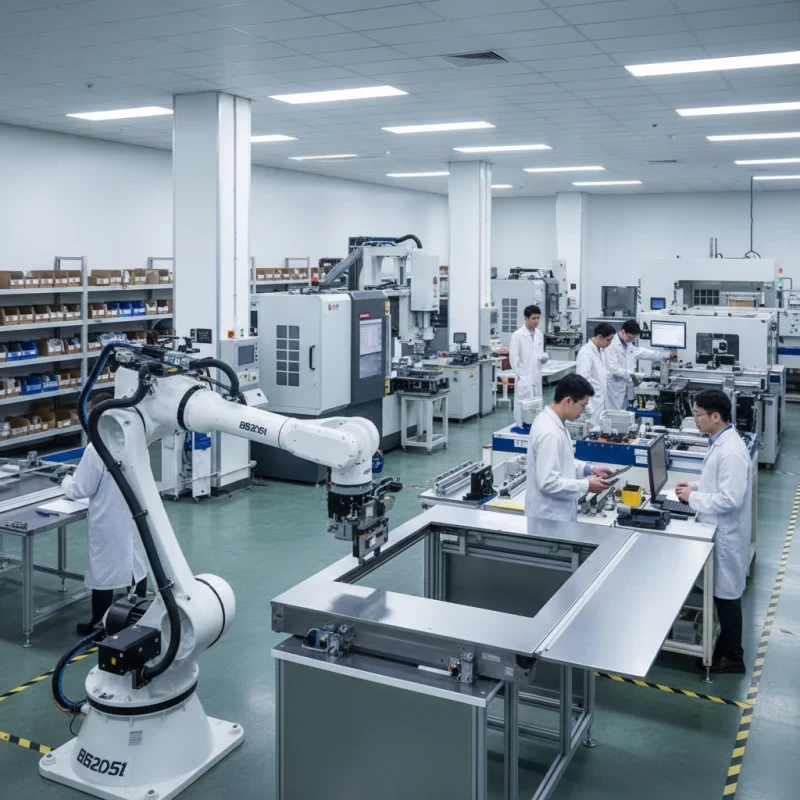
When selecting a high-quality elevator parts factory, careful consideration is key.
Not all factories offer the same level of precision or reliability. Some may struggle with consistency in their products, leading to additional costs and delays. It's vital to assess their production processes and quality control measures. High-quality materials are crucial for durability in an elevator control system.
Visiting potential factories can provide insight into their capabilities. During the visit, observe the machinery and workflow. Are workers skilled and attentive? What testing processes do they implement for their elevator parts? These details can reveal much about their commitment to quality. It’s easy to be swayed by lower prices. However, cutting corners on parts can have long-term implications.
Consider communication and support as well. Can the factory provide prompt responses to inquiries? Do they offer support after the sale? A factory that values customer relationships may outperform cheaper but less responsive competitors. Ultimately, the choice of factory can greatly affect the consistency and safety of your elevator control system. Reflect on your priorities and make informed decisions.
Overview of Elevator Parts Industry and Key Market Trends
The elevator parts industry is witnessing significant changes. Key trends highlight innovation and sustainability. More companies are focusing on energy-efficient components. Smart technology integration is also becoming a norm. Elevators now feature advanced systems that improve safety and user experience. These developments can streamline maintenance processes and optimize performance.
Manufacturers face challenges in keeping up with these trends. There is a constant need for research and development. Not all factories can adapt quickly. Some struggle with quality control as they scale operations. The market demands high-quality parts that are also environmentally friendly. Finding a balance between cost and quality is essential for factories aiming to compete.
Emerging markets are driving growth. Urbanization increases the demand for elevators. This trend pushes manufacturers to diversify their offerings. However, supply chain issues can pose obstacles. The need for durable, reliable parts is immense. Yet, not all suppliers meet these expectations. Ensuring consistency remains a critical goal for producers in this evolving landscape.
Criteria for Selecting High-Quality Elevator Parts Manufacturers
Choosing the right manufacturer for Elevator Spare Parts is crucial. The quality of these parts can directly affect elevator performance and safety. According to industry reports, over 10% of elevator incidents are linked to faulty or subpar components. It’s essential to evaluate potential suppliers based on specific criteria.
One important factor is certification. Look for certifications that indicate adherence to industry standards. Many top manufacturers obtain ISO and EN certifications. This ensures their products meet safety and quality benchmarks. Furthermore, consider the manufacturer’s experience. Companies with a long history in the industry often have better reliability. Their knowledge in producing elevator spare parts is invaluable.
Another criterion is the availability of customer support. A manufacturer should provide robust after-sales service. This includes assistance and spare parts availability. Delays in addressing issues can pose risks. Lastly, assess the variety of parts offered. A manufacturer that produces a wide range can fulfill diverse needs. In a world of rapid advancements, this flexibility is vital. It's wise to invest time in research. The wrong choice might lead to costly repairs down the line.
Analysis of Leading Elevator Parts Factories Worldwide
When analyzing leading elevator parts factories worldwide, several key factors come into play. Quality control is vital. Factories must ensure that all components meet stringent safety and performance standards. Regular inspections and testing help maintain these standards. However, not all factories excel in this area, leading to potential safety risks.
In Europe, some factories stand out for their innovation. They invest in cutting-edge technology. This improves not only efficiency but also design. Yet, the cost of such advancements might alienate smaller clients. This creates a dilemma, as some smaller factories struggle to compete with these giants. They often sacrifice quality for cost.
In Asia, production rates are high, but quality can vary widely. Some facilities churn out parts rapidly, but at what cost? Defects can slip through the cracks. A balance between speed and quality is crucial. Companies must reflect on their priorities. Are they focused on rapid growth, or are they committed to high standards? Each factory's approach shapes the industry’s future.
Comparison of Material Standards in Elevator Components
When choosing elevator components, material quality is crucial. Various materials impact durability and performance. Steel, for example, is widely used in elevator cables and shafts. Its strength ensures safety during operation, but corrosion can be a concern. Regular inspections are necessary to maintain integrity.
Plastic parts may be lighter but often have limitations. They can wear out quickly under stress. This raises questions about cost-effectiveness. In contrast, Kone Elevator Parts often adhere to strict manufacturing standards, which can enhance safety and reliability. The right suppliers prioritize materials that stand the test of time. However, not every factory meets these standards.
Some manufacturers cut corners to reduce costs. This compromises quality and safety. Buyers should demand transparency regarding material sources. Investing in high-quality components pays off in the long run, reducing maintenance and replacement expenses. It's essential to weigh immediate costs against long-term value.
Comparison of Material Standards in Elevator Components
| Material Type | Quality Standard Score (1-100) |
|---|---|
| Steel | 90 |
| Aluminum | 75 |
| Plastic | 60 |
| Rubber | 80 |
| Composites | 70 |
Understanding Certifications and Compliance in Elevator Parts
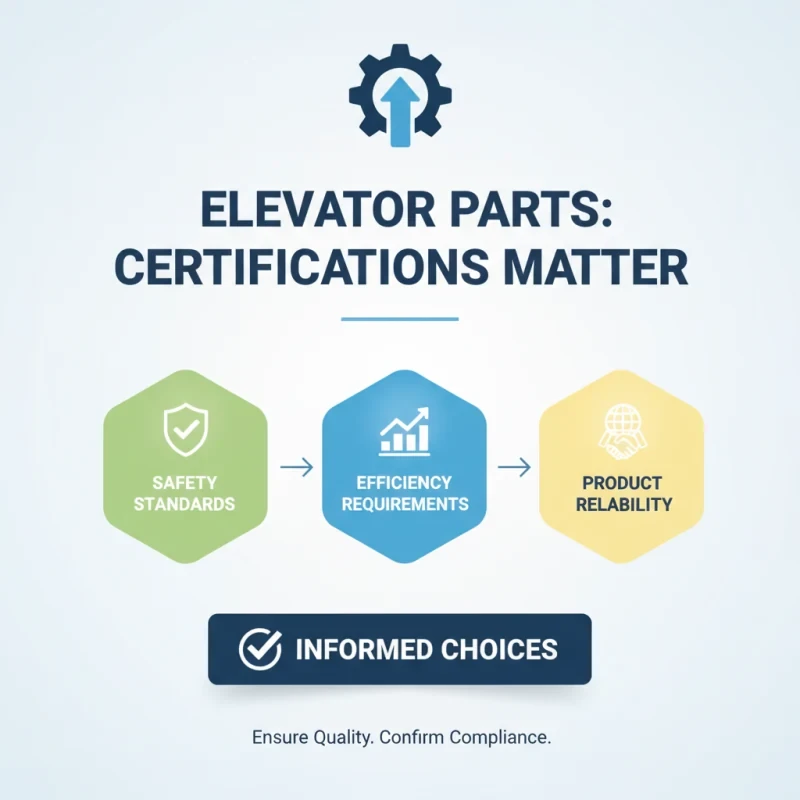
When choosing elevator parts, understanding certifications is crucial. Certifications ensure that the parts meet safety standards and efficiency requirements. Various organizations issue these certifications, reflecting a product's reliability. Checking for compliance helps in making informed choices.
Tips: Always ask for certification documents. This verifies quality and safety. Don't neglect to review recent compliance tests. Even minor lapses can lead to significant issues.
Not all manufacturers prioritize certifications. Some may focus solely on cost, neglecting quality. A low price could mean inferior materials. This choice may seem tempting but might result in safety risks. Investing in certified parts is a smarter long-term decision.
Tips: Research the manufacturer’s reputation. Explore customer reviews and their history with compliance. Engage with suppliers who prioritize transparency. It fosters trust and ensures better service.
Innovations in Elevator Parts Production Techniques
Innovations in elevator parts production are reshaping the industry. Advanced manufacturing techniques, like 3D printing, are gaining traction. This process allows for precise designs and reduces waste. Components can be crafted with unique geometries that traditional methods struggle to achieve. However, the reliance on new technology poses questions. Can these innovations maintain the same durability as established parts?
Moreover, automation in manufacturing lines is also on the rise. Robots can produce components faster than human workers. This speed can increase productivity, but it may lead to less human oversight. Quality control must not be compromised. A potential flaw could arise without careful checks.
Investing in sustainable materials is another emerging trend. Eco-friendly components can appeal to environmentally-conscious consumers. Yet, the challenge remains in balancing sustainability with performance. Not all eco-friendly materials offer the same reliability. It’s essential for factories to test and validate these innovations thoroughly.
Future Outlook on Supply Chain Factors for Elevator Parts
The future outlook on supply chain factors for elevator parts is evolving. As the industry advances, manufacturers face challenges. Disruptions in logistics impact availability and cost. This is critical for those sourcing parts like Otis Elevator Parts.
Tips: Diversifying suppliers can reduce risk. Consider local sources to improve turnaround times. This approach helps to mitigate delays caused by global issues.
Additionally, understanding market trends is essential. Technologies and materials are changing rapidly. Keeping an eye on these developments aids in making informed decisions. However, constant adaptation is necessary. What works today may not be effective tomorrow.
Investing in relationships with suppliers can pay off. Establishing clear communication can help address concerns early. Regular check-ins allow for better forecasting. This proactive strategy could enhance resilience in supply chains. Keep in mind that flexibility and innovation are key.
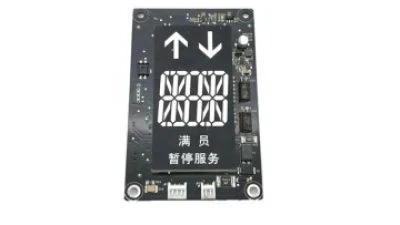
Elevate Communication Efficiency: The Importance of the 626 Outbound Call Display Board for Lift Parts and Elevator Accessories
The efficiency of communication in the lift and elevator parts industry has become increasingly vital for maintaining seamless operations and ensuring customer satisfaction. A critical element in this process is the implementation of the 626 Outbound Call Display Board. This innovative tool not only enhances communication but also streamlines the management of calls regarding parts and accessories. According to industry reports, effective communication can significantly reduce response times, which is crucial given that a reported 70% of customers express frustration with delayed service and unclear messaging.
By utilizing the 626 Outbound Call Display Board, organizations can improve workflow efficiency by providing real-time updates and directing inquiries swiftly to the appropriate department. This board serves not only as a communication facilitator but also as a performance tracker, enabling businesses to analyze call volume and response effectiveness. A survey conducted by the National Elevator Industry shows that companies that adopt advanced communication tools witness a 30% increase in customer satisfaction ratings, highlighting the board's role in fostering better interactions.
Moreover, as the demand for lift parts and accessories continues to grow, driven by urbanization and infrastructure development, companies must optimize their communication strategies. A report by the Elevator World projects a 5% annual growth in the elevator industry. Implementing a solution like the 626 Outbound Call Display Board will be essential for businesses to keep pace with this expansion, ensuring they meet customer expectations and maintain operational excellence in a competitive market.
FAQS
: This product aims to enhance user experience and improve daily tasks. Many find it helpful for organization.
Follow the provided instructions closely. Experimentation may improve understanding and usage over time.
Some users report difficulty in understanding features. Others experience minor technical glitches occasionally.
You can submit feedback through online forms or community forums. Honest feedback is valuable for improvement.
Yes, customer support is accessible via email and chat. Response times may vary, so patience is advisable.
A return policy is usually in place. However, ensure you read the terms before purchasing.
Think about your needs and potential benefits. Reflect on any previous experiences with similar products.
Some users encounter compatibility problems with specific devices. Checking compatibility beforehand is recommended.
Updates happen periodically based on user feedback. Staying informed can help you benefit from new features.
Troubleshooting steps can often help. If unresolved, reach out to support for guidance.
Conclusion
The article "Best High Quality Elevator Parts Factory Options to Consider" provides a comprehensive overview of the elevator parts industry, highlighting key market trends and essential criteria for selecting high-quality manufacturers. It delves into an analysis of leading factories worldwide, emphasizing the importance of material standards and compliance with various certifications in producing safe and reliable elevator parts.
Moreover, the article explores innovative production techniques that are shaping the future of elevator parts manufacturing. With ongoing advancements, it also discusses the anticipated supply chain factors that could impact the availability and quality of these components. This synthesis of information serves as a valuable resource for anyone interested in understanding the complexities and opportunities within the elevator parts sector.
Related Posts
-
Best Elevator Accessories for Optimal Functionality and Safety?
-

7 Essential Elevator Parts Every Global Buyer Must Know
-

7 Essential Tips for Choosing the Best Elevator Accessories
-
Understanding the Essential Role of Elevator Components in Modern Building Infrastructure
-

How the Best Elevator Components Enhance Safety and Efficiency in High-Rise Building Applications
-

7 Compelling Reasons to Choose the Best Elevator Switch for Your Projects