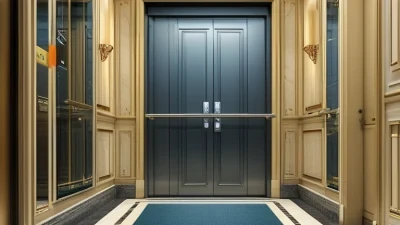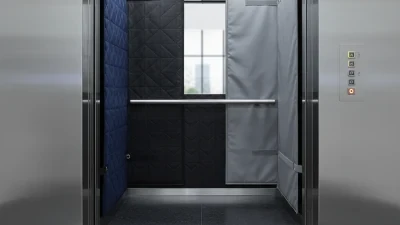

In the fast-growing world of elevators, taking good care of your equipment really can't be emphasized enough. Elevator Protection Pads are super handy accessories—they help prevent damage during installations, routine maintenance, or just daily use. This means your elevators stay in better shape for longer and keep everyone safe. If you’ve been following industry trends, you’ll notice the global elevator market is expected to grow pretty steadily—around 6% annually over the next five years. That just shows how much there's a growing demand for quality parts. Companies like Zhuhai Link Industrial Co., Ltd., which started back in June 2017, have been playing a big role in this boom. They handle everything from sales and installation to maintenance of over 200 elevators each year. As the industry keeps expanding, so does the need for smart protective gear like these pads—think of them as a shield, protecting both your equipment and your space.

Figuring out how to pick the right pads for your specific needs is a big deal—it can really make a difference in keeping your elevators running smoothly and saving you money on repairs down the line.
Understanding Different Types of Elevator Protection Pads: A Comprehensive Overview
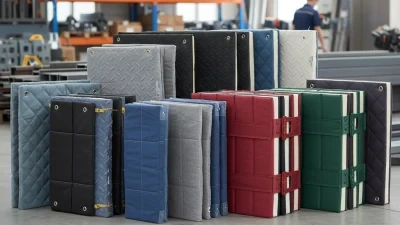
When you're dealing with elevators during construction or renovation projects, picking the right protection pads is a must. There are quite a few options out there, each suited for different kinds of needs. For example, foam pads are great if you wanna absorb shocks—perfect for softening impacts from moving stuff around. On the other hand, rubber pads are super durable and keep scratches and scuffs at bay. Industry reports even show that using good-quality elevator protection pads can cut down repair costs by up to 60%! That really shows how important they are for keeping elevators in top shape.
When you're choosing these pads, pay attention to the materials and how thick they are. Thicker pads usually mean better cushioning—especially important when you're hauling heavy equipment. Also, look for ones with adhesive backing; that makes installing them way easier. A handy tip? Go for reusable, easy-to-clean pads if you want them to last longer—that way, you get more bang for your buck.
And don’t forget to think about where you're using them. For indoor projects, lightweight and easy-to-handle pads work best. But if you’re doing outdoor or industrial stuff, you might need something tougher. Lastly, always double-check that your pads meet safety standards. That way, you're not only protecting your elevator but also making sure you’re playing by the rules.
Key Factors to Consider When Selecting Elevator Protection Pads for Your Facility
When you're picking out elevator protection pads for your facility, there are a few important things you really want to keep in mind to make sure they work well and do their job. First off, think about the material—they need to be sturdy enough to handle daily wear and tear, but also protect both the inside of the elevator and whatever you're hauling around. The size and thickness matter too—it's gotta fit snugly in the elevator space without messing up safety or slowing things down. An easy tip: see if the pads have an adhesive backing or some kind of secure fastening. That little detail can make a big difference for stability when you're actually using them.
You also want to consider what's special about your setup. For example, if you’re dealing with spills or moisture, water-resistant pads are a good idea. Or if safety's a concern, anti-slip features could give you some extra peace of mind. Here at Zhuhai Link Industrial Co., Ltd., we really believe it’s worth getting the right pads—they’re a perfect match for our broad range of elevator sales, installs, and maintenance services. With more than 200 units sold each year, we’ve got the experience to help you pick out the perfect pads based on what your elevator needs.
Pro tip: It’s worth chatting with a pro who can suggest the best options for how often your elevator runs and what kind of cargo it carries — that way, you’ll make a smarter, more informed choice.
Evaluating Material Durability and Performance of Elevator Protection Pads
When you're choosing elevator protection pads, it’s really important to think about how durable and performance-ready the materials are. The elevator industry puts a big focus on using high-qualitystuff that can handle the heavy use and surprise bumps that can happen during operation. I recently came across a market report from Grand View Research, and it mentioned that the elevator market could hit aroundUSD 162.3 billion by 2026. That really highlights how much we need dependable protection solutions. So, when selecting pads, materials like high-density polyethylene (HDPE) or specialized foam with great shock absorption are super important—they help prevent damage during transport and daily use.
Here at Zhuhai Link Industrial Co., Ltd., we’ve been around since 2017, and we understand just how crucial durability is for keeping elevators safe and long-lasting. We sell over 200 units a year, and our goal is to give our customers top-notch elevator systems with solid protective features that meet all the industry standards. Studies have shown that using the right protection pads can cut down repair costs by up to 30%, which is pretty significant. So, investing in the right pads isn’t just about protecting the equipment—it also makes everything run smoother and more efficiently in the long run.
How to Properly Measure and Fit Elevator Protection Pads for Maximum Effectiveness
When you're picking elevator protection pads, the first thing to focus on is measuring everything accurately. Honestly, industry standards suggest that these pads should not only cover the entire surface of the elevator walls but also fit around any weird angles or architectural quirks. Getting a good fit really matters — it helps absorb impacts better and keeps scratches or dents at bay, which can save you quite a bit on repairs down the line. In fact, some reports say that if you get the right-fit protection, you could cut down repair costs by around 30% over the elevator’s lifetime. Pretty significant, right?
Once you've got the measurements sorted out, choosing the right material is the next crucial step. High-density foam is usually the go-to because it’s great at shock absorption. It kind of blows traditional materials out of the water, honestly. Studies show that using advanced cushioning materials can boost user satisfaction by as much as 40%, since they’re more resilient and last longer. And hey, talking to the people who actually use the elevator can really help fine-tune your choice — making sure the pads look good and work well at the same time. All in all, picking the right protection can seriously improve the whole elevator experience.
Ultimate Guide to Choosing the Best Elevator Protection Pads for Your Needs
| Pad Type | Material | Thickness | Dimensions (inches) | Water Resistance | Ease of Installation |
|---|---|---|---|---|---|
| Heavy-Duty | Rubber | 0.5 | 48 x 36 | Yes | Moderate |
| Standard | Foam | 0.25 | 36 x 24 | No | Easy |
| Custom Fit | Vinyl | 0.75 | 50 x 40 | Yes | Varies |
| Eco-Friendly | Recycled Materials | 0.3 | 36 x 36 | Yes | Easy |
Comparing Costs: Budgeting for Elevator Protection Pads That Meet Your Needs
When you're thinking about buying elevator protection pads, it’s really important to keep the costs in mind. The market for commercial elevators is expected to grow quite a bit, especially with types like vertical elevators, escalators, and moving walkways catching more attention. By 2033, you'll see a lot of influence from industrial areas, offices, and transport hubs. Getting a good grasp of how the market is moving can help you budget properly and pick the right protection pads without any surprises.
If you want to make smarter choices, it's worth noting that the smart elevator segment was valued at around $18.75 billion in 2019 and is projected to hit nearly $66 billion by 2032 — growing at about 9.5% annually. That’s a clear sign there’s strong demand for innovative solutions, including protective gear that boosts efficiency and safety. So, when choosing protection pads, make sure they fit the specific elevator you have and suit the environment it operates in.
**Quick tip:** Always weigh how long the protection pads will last against their price. High-quality pads might cost more upfront, but they can actually save you money in the long run—less maintenance, longer lifespan, all that good stuff. Also, don’t forget to shop around and compare prices from different suppliers. Finding something that fits your budget without sacrificing quality is totally doable if you look around a bit.
Maintenance Tips to Extend the Life of Your Elevator Protection Pads
When it comes to keeping your elevator in tip-top shape and protecting its surfaces, using good quality elevator protection pads is really a must. But honestly, to get the most out of them and make sure they last, regular maintenance is key. I read somewhere that according to the National Elevator Industry, Inc., taking proper care of these pads can actually boost their lifespan by up to 50%. That’s pretty impressive! This is especially true if your building gets a lot of foot traffic—those pads can wear out pretty fast if you're not watchful.
To make those pads last longer, I’d suggest doing routine checks—look for any signs of damage or excessive wear. Giving them a quick clean with a gentle, non-abrasive cleaner can do wonders, because dirt and grime can actually break down the material over time. Also, I came across some advice in Elevator World magazine — rotating the pads or swapping them out seasonally really helps keep them in good shape and prevents early deterioration. Using high-quality, water- and stain-resistant materials is another smart move—they help protect your elevator not just from damage but also keep it looking good for years to come.
FAQS
: High-density polyethylene (HDPE) or advanced shock-absorbing foam are recommended as they effectively minimize damage to elevators during transport.
Evaluating durability is crucial because high-quality pads can withstand frequent usage and unforeseen impacts, which are essential for maintaining elevator longevity and safety.
Proper use of protection pads can reduce repair costs by up to 30%, providing significant economic and practical benefits for elevator systems.
Routine inspections for damage, using non-abrasive cleaners, and regularly rotating or replacing pads can significantly enhance their lifespan.
Proper care can extend the life of elevator protection pads by up to 50%, especially in high foot traffic environments.
It is recommended to use a non-abrasive cleaner to prevent the buildup of dirt and grime, which can lead to deterioration.
Utilizing high-quality materials that resist water and stains contributes to long-lasting protection and helps maintain both the aesthetic and structural integrity of the elevator.
The elevator market is projected to reach USD 162.3 billion by 2026, highlighting the increasing importance of reliable protective solutions.
Investing in the right protection pads enhances overall operational efficiency by preserving equipment and reducing maintenance needs.
Pads should be rotated or replaced seasonally to maintain their efficiency and durability.
Conclusion
Picking the right elevator protection pads is pretty important if you want your elevator system to look good and work smoothly. It can get a bit overwhelming since there are so many types out there, but getting to know the different options can really help you make the best choice for your place. Some main things to think about are how durable the material is, how well it performs, making sure you get the right measurements for a snug fit, and of course, sticking to your budget. Oh, and don’t forget — a few simple maintenance tips can go a long way in making these pads last longer, keeping your elevators in tip-top shape.
Here at Zhuhai Link Industrial Co., Ltd., we’re all about elevators — sales, installations, maintenance — you name it. We sell over 200 units a year, so we’ve got the experience to help you pick the right protection pads, install them properly, and keep everything running smoothly. Our goal is to keep your elevator safe, functional, and looking great!
Related Posts
-
Global Market Insights and Predictions for Eieator Motors by 2025
-

5 Essential Tips for Optimizing Your Elevator Display Board for Maximum Impact
-
How to Select the Perfect Elevator Push Button for Your Building's Efficiency and Safety Needs
-

How Elevator Display Boards Enhance Safety and Efficiency in Modern Buildings
-

How the Best Elevator Components Enhance Safety and Efficiency in High-Rise Building Applications
-

Mastering Elevator Safety: Essential Techniques for Choosing the Best Elevator Switch