
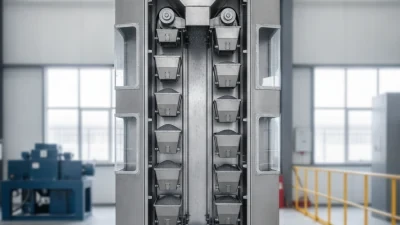
When you're trying to get a grasp on the key parts of bucket elevators, hearing insights from industry pros can really make a difference. I remember Jason Turner, who’s a top engineer at Elevation Solutions, once said, “Knowing which bucket elevator parts matter most can actually boost efficiency quite a bit.” Honestly, that’s so true — especially when you're picking out the right equipment for handling different materials.
Bucket elevator systems are made up of a bunch of components, and each one plays its part. Sure, the bucket itself is super important, but don’t forget about the other critical parts like the belt and the drive unit. Every piece, from the main Lift components to the spare parts, helps keep the whole system running smoothly and lasting longer.
If you’re in the market, it’s smart to pay close attention to the quality of lift accessories when buying. Going for durable, high-quality spare parts can save you headaches — and money — down the line. That said, it’s a bit of a minefield because plenty of manufacturers toss out cheaper, lower-quality options. Finding reliable equipment really comes down to doing your homework and choosing suppliers who stand by high standards and have good reputations. Investing a little extra time in research can pay off big when it comes to making a solid purchase.
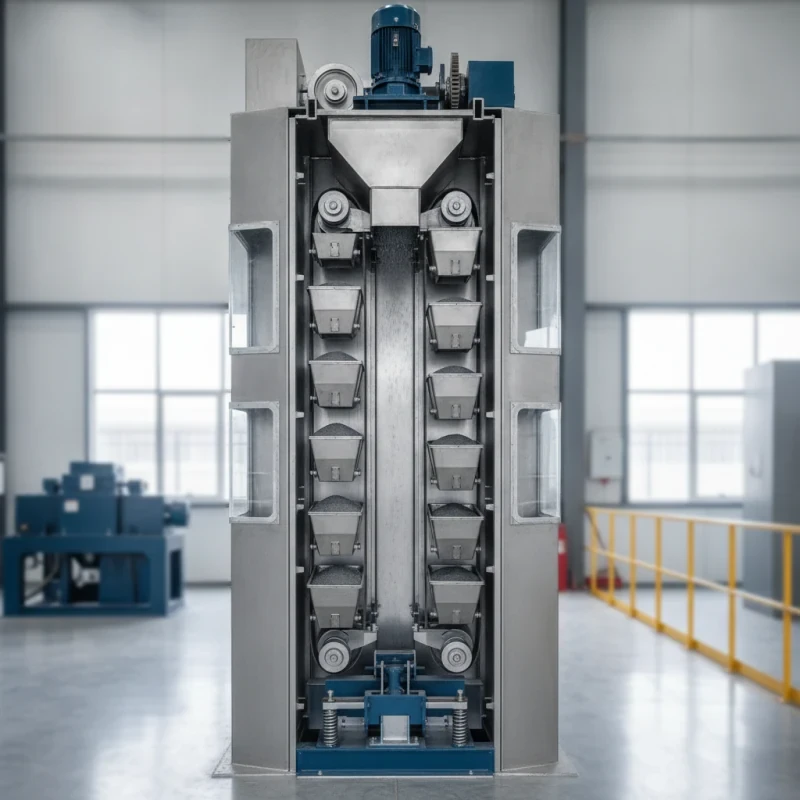
Essential Components of Bucket Elevators for Efficient Operation
When considering the essential components of bucket elevators, understanding each part's function is crucial. Bucket elevators consist of various elements including buckets, belts, pulleys, and hoppers. The buckets hold the material, while the belts control the movement. According to industry reports, approximately 70% of elevator failures stem from improper maintenance of these components. This highlights the need for regular inspection and timely replacements.
The material used for buckets is equally important. Plastic, metal, and composite materials each have distinct advantages. For instance, metal buckets offer durability for abrasive materials. Conversely, plastic buckets may reduce noise levels but might wear out faster. Proper selection based on application is essential. In fact, choosing the right bucket material can enhance efficiency by up to 25%, as suggested by industry stats.
Furthermore, pulleys and belting systems are critical for performance. Regularly checking for wear and tear helps to prevent unexpected downtime. Misalignment can lead to significant losses, affecting productivity. Industry experts recommend maintaining a proactive approach to monitor these Bucket Elevator Parts. Investing in quality components boosts reliability and operational efficiency, ensuring smoother handling of materials. Reflecting on these details can guide buyers toward informed decisions.
Understanding the Functionality of Bucket Designs and Materials
When considering the essential parts of bucket elevators, materials and designs significantly impact their functionality. Bucket elevators primarily transport bulk materials vertically. The design of the buckets influences the efficiency and capacity of the elevator. For instance, tapered buckets allow for better flow, while wider buckets can carry larger volumes. Choosing the right design requires an understanding of the material you are moving. Each material has unique properties that must align with the bucket's design for optimal performance.
The choice of materials is equally crucial. High-quality, durable materials prevent wear and tear over time. Options like plastic or metal have different strengths. Plastic buckets are lightweight and resistant to corrosion, making them suitable for specific materials. In contrast, metal buckets offer greater strength and durability, handling heavier materials but may require more maintenance. Buyers should consider the industry's demands and the load conditions when selecting the Best Bucket Elevator Parts.
Also, not all designs suit all applications. Some may become inefficient under varying loads. It’s essential to evaluate how bucket design can adapt to changes in the material type or load volume over time. This reflective approach helps ensure that the chosen elevator operates effectively for years to come. Ultimately, understanding the interplay between bucket design and materials leads to better investment decisions and system performance.
Key Drive Mechanisms and Their Impact on Performance
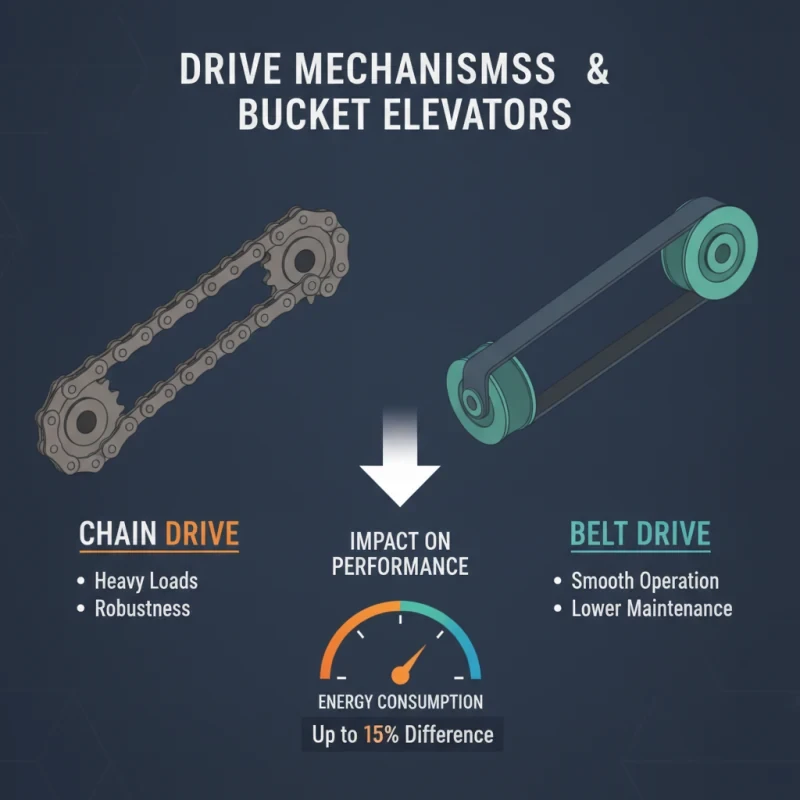
When considering bucket elevators, understanding key drive mechanisms is crucial for optimizing performance. Drive systems, such as chain or belt drives, significantly influence the efficiency and longevity of the elevator. A chain drive, for instance, provides robustness for heavy loads, while a belt drive is favored for its smooth operation and lower maintenance. Industry reports indicate that the choice of drive can affect energy consumption by up to 15%.
Selecting the right drive mechanism can also minimize downtime. For example, regular inspections of the drive system can detect wear and prevent costly failures. The average downtime due to mechanical issues can reach 16 hours per year, impacting productivity.
Tips for buyers: Evaluate the material used for the drive components carefully. Steel chains may be suitable for harsher conditions, while belts with reinforced fibers can enhance flexibility. Maintenance practices play a key role, too; proactive measures can sustain performance over time. Not every system is perfect—challenges like belt slippage or chain misalignment can occur, making it important to monitor performance closely. Regular training for operators on these issues can reduce inefficiencies and extend the elevator's lifespan.
Importance of Belt vs. Chain in Bucket Elevators
When selecting a bucket elevator, understanding the importance of the conveying medium is crucial. The two primary options are belts and chains. Each has its own merits, impacting the elevator's efficiency, durability, and maintenance needs.
Belt elevators are typically quieter and lighter. They can handle delicate materials with less risk of damage. However, they may wear faster and are more vulnerable to environmental factors. Chains, on the other hand, offer greater strength and longevity. They work well in harsh conditions but can create more noise during operation. Buyers need to weigh the operational demands against these characteristics.
**Tips**: Evaluate the materials being moved. If they require gentle handling, a belt might be your best bet. For heavier loads, consider opting for a chain. Regular maintenance is key, regardless of your choice. Check for signs of wear and ensure proper tension.
Ultimately, choosing between a belt and a chain involves trade-offs. It's not only about current needs but also future reliability. Balancing these elements will help buyers make informed decisions.
Evaluating Sprockets and Pulleys: Critical Specifications
When evaluating sprockets and pulleys for bucket elevators, critical specifications should not be overlooked. Sprockets play a vital role in the effective operation of bucket elevators. Their design influences performance and durability. Choosing the right material is essential. Metals like carbon steel often provide the necessary strength and longevity. However, consider how they will perform under your specific conditions.
Pulleys, too, demand careful consideration. They come in various configurations and sizes. A mismatch can lead to increased wear and inefficient operation. Opt for pulleys that ensure optimal tension in the system. You'll find it helpful to assess their coating as well. Some coatings offer corrosion resistance, extending service life.
Tips for selecting sprockets and pulleys are crucial. Always consult with experts who understand the specific requirements of your application. Gather insights from those familiar with Famous Bucket Elevator Parts. They can help identify what will work best for your needs. Taking the time to evaluate and reflect on these components can save you from costly mistakes down the line. Stay informed and be thorough in your evaluation.
Maintenance Needs: Lifespans and Replacement Part Considerations
When considering bucket elevators, maintenance needs are often overlooked. The lifespan of these systems can vary greatly. Typically, a bucket elevator can last around 20 to 30 years, depending on usage and care. Regular inspections are crucial to determine wear and tear on components.
Replacement parts play a significant role in extending the life of your system. Conveyor belts, pulleys, and buckets themselves must be examined frequently. If one part begins to show signs of wear, it often signals that others may soon follow. Many operators forget to replace worn parts promptly. This negligence can lead to more extensive damage and costly downtime.
Understanding the maintenance requirements helps prevent unexpected failures. It’s essential to create a maintenance schedule, noting specific components for regular evaluations. An investment in proper care and timely replacement can save significant expenses in the long run. Don’t underestimate the importance of thorough maintenance; it can be the difference between seamless operation and major interruptions.
Safety Features and Compliance Standards in Bucket Elevators
When purchasing bucket elevators, buyers must prioritize safety features and compliance standards. Bucket elevators, critical for material handling in various industries, can pose hazards if not designed with safety in mind. Essential safety features include emergency stop systems, overload protection, and automatic shutoff functions. These aspects ensure that the equipment operates within safe parameters, reducing the risk of accidents.
Compliance with international standards also plays a vital role. Buyers should seek equipment that adheres to OSHA regulations and ANSI guidelines. Ensuring that High-Quality Bucket Elevator Parts meet these standards confirms their reliability. Regular inspections and maintenance are crucial. This can help identify potential issues early. Sometimes, manufacturers may overlook minor details, which can lead to long-term safety risks.
Investing in bucket elevators with robust safety features is not merely a financial decision; it's about safeguarding personnel and optimizing operational efficiency. A strong commitment to workplace safety reflects on the company’s values. Reflecting on past experiences can guide potential buyers to make informed decisions when selecting equipment.
FAQS
: Key mechanisms include chain and belt drives, impacting efficiency and longevity.
The drive system can influence energy use by up to 15%, making selection important.
Regular inspections help detect wear, preventing costly failures and downtime.
Belt elevators are lighter, quieter, and handle delicate materials well, but may wear faster.
Chains offer strength and longevity, performing well under harsh conditions despite louder operation.
Look for emergency stops, overload protection, and automatic shutoff to minimize risks.
Compliance ensures the equipment operates safely and reduces accident risks in the workplace.
Regular inspections are crucial for identifying potential safety issues early on.
Ignoring small aspects can lead to long-term safety risks, affecting operational safety.
Reflecting on past experiences can inform better decisions for future reliability and safety.
Conclusion
Bucket elevators are essential for efficiently transporting bulk materials, and understanding their key components is crucial for buyers. The primary parts include bucket designs made from various materials, which affect durability and efficiency. Drive mechanisms, whether belt or chain, play a significant role in performance, influencing the operational speed and load capacity. Additionally, evaluating sprockets and pulleys is vital for ensuring the correct specifications that align with the intended application.
Maintenance is another critical aspect, as it involves regular checks on the lifespan of components and timely replacements to prevent downtime. Buyers should also prioritize safety features to comply with industry standards, ensuring both efficiency and worker safety. Overall, a thorough understanding of bucket elevator parts enables buyers to make informed decisions, optimizing their material handling operations.
Related Posts
-
Exploring Unique Alternatives for Optimal Bucket Elevator Parts Solutions
-
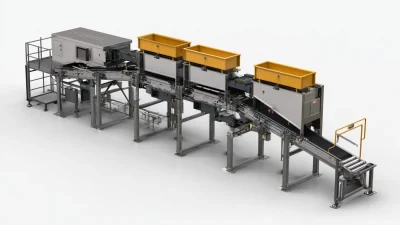
Maximizing Efficiency in Material Handling Using Advanced Conveyor Bucket Systems
-

Challenges in Ensuring High Quality Elevator Service
-
Top Elevator Accessories You Need for Optimal Performance?
-

Discover the Next Generation of Elevator Switches for Enhanced Safety and Efficiency
-

How to Choose the Best Elevator Door Sensor for Your Needs?