
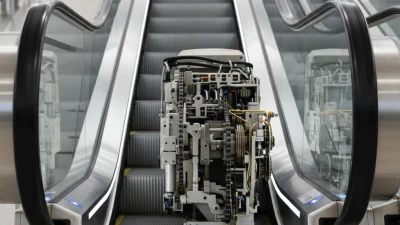
When it comes to vertical transportation, like escalators, those tiny parts really matter more than you might think. I remember John Smith from SafeRide Escalator Solutions once said, “Reliable escalator parts are basically the backbone of a smooth and safe ride.” It’s pretty clear—high-quality components are what keep everything running seamlessly. From the handrails users hold onto to the sensors that keep everything in check, every piece plays a part in keeping folks safe.
If you want your escalator to work without a hitch, the parts need to be tough and dependable. And let’s be honest, regular maintenance is really the secret sauce—it helps dodge those surprise breakdowns. A well-maintained escalator with good-quality parts means fewer disruptions, happier users, and it just runs more smoothly overall.
Ignoring maintenance or skimping on upgrades can be pretty costly down the line. Upgrading to smarter elevator parts or modernizing your setup can pay off in the long run. As technology keeps advancing, the need for reliable, effective escalator accessories is only going to grow. Keeping these vital parts in top shape isn’t just a technical detail; it’s a shared responsibility for everyone in the elevator industry. After all, their reliability really makes all the difference in how well these systems work.
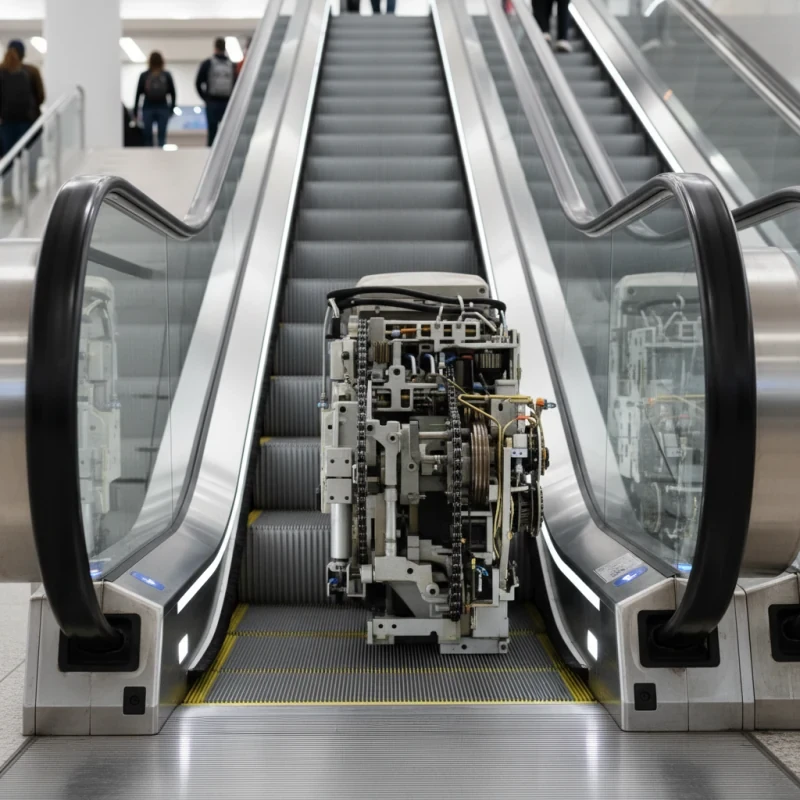
The Critical Role of Escalator Parts in Urban Infrastructure

Escalators are more than just moving staircases; they are vital components of urban infrastructure. In bustling cities, they facilitate movement in shopping malls, airports, and public transit stations. When escalator parts function seamlessly, passenger flow is smooth and safe. However, if any part malfunctions, it can disrupt this flow.
Proper maintenance is needed to ensure escalators work efficiently. Regular inspections and timely replacements of worn-out components are essential. In urban settings, accessibility is crucial. A broken escalator can create barriers for those with mobility challenges. Investing in the Best Escalator Parts can make a significant difference.
Tips for maintaining escalators include scheduling routine checks, addressing minor issues promptly, and ensuring proper cleaning. Cleanliness can directly affect the lifespan of parts. Awareness of wear and tear can prevent costly repairs down the line. Always prioritize quality when selecting parts; it influences the operational reliability of escalators significantly.
Understanding Key Components: Motors, Drives, and Control Systems
Escalators rely heavily on key components, notably motors, drives, and control systems. Motors play a crucial role as the heart of the escalator, providing the necessary power to move the steps. A malfunctioning motor can lead to slower speeds or even complete failure. Regular maintenance checks can help identify wear and tear in these motors. While they appear robust, they can often face challenges, such as overheating or electrical issues.
The drive system acts as a connector between the motor and the escalator steps. It translates the motor’s power into the movement we expect. If the drives are not functioning well, the escalator may show inconsistent behavior. Unexpected jolts or halting can reflect problems here.
Control systems manage the entire operation, ensuring passengers enjoy seamless rides. They can fail if misconfigured, leading to unsafe situations. Examining these components regularly is critical.
Understanding these escalator parts provides insight into their vital roles. Improperly maintained systems can result in accidents. It’s essential to prioritize their upkeep to ensure reliability. Elevators can still operate, but escalators require precision in function. Awareness of these components enhances not just safety, but also user experience.
Addressing the specifics of Famous Escalator Parts emphasizes their importance in commercial spaces.
Impact on Safety: How Quality Parts Prevent Accidents and Failures
Escalators are vital for public transportation and building accessibility. Their operation relies heavily on quality parts. Statistics show that defective escalator components can lead to numerous accidents. In fact, the National Institute for Occupational Safety and Health (NIOSH) highlights that faulty equipment contributes to 30% of escalator-related injuries.
When escalator parts fail, the results can be devastating. A worn-out step chain or malfunctioning brake system heightens the risk of sudden stops or falls. Investigations by the American Society of Mechanical Engineers (ASME) suggest that regular maintenance and quality components can reduce these incidents by up to 50%.
However, many operators overlook the significance of using high-grade materials. Cost-saving on parts may seem attractive, but it often leads to severe safety issues. In one study, 25% of escalator malfunctions were traced back to substandard parts. Prioritizing high-quality components is not just a best practice; it’s crucial for ensuring passenger safety and preventing accidents.
Maintenance Insights: Importance of Regular Inspections for Efficiency
Regular inspections are vital in maintaining escalator efficiency. Industry reports indicate that nearly 30% of escalator failures result from inadequate maintenance. Ensuring all parts are in optimal condition minimizes breakdown risks. Inspections help identify wear on components like handrails and chains. Addressing these issues early prevents larger, costly repairs.
Professional insights suggest conducting maintenance checks every six months. This approach increases reliability and enhances user safety. Timely replacements of High-Quality Escalator Parts can extend the lifespan of the equipment. Neglecting these inspections can lead to accidents and service interruptions. The average cost of unplanned downtime can exceed $1,000 per hour in commercial settings.
Visual signs of wear can often go unnoticed. Regular assessments reveal underlying issues that may not be obvious. Employees should be trained in recognizing these early warning signs, such as unusual noises or vibrations. This proactive stance fosters a safer environment and avoids unnecessary disruptions to daily operations. Investing time in preventative measures opens the path for smoother transit.
Industry Standards: Regulatory Requirements for Escalator Components
Escalator parts are crucial to ensuring safety and efficiency in public spaces. Regulatory requirements govern these components, ensuring durable and reliable operations. Compliance with industry standards is non-negotiable. Elevators and escalators must meet specific criteria related to performance and safety.
Each component, from handrails to control systems, must adhere to strict guidelines. These standards are established by organizations that focus on public safety. Regular inspections are necessary to verify compliance. However, it can be challenging to keep up with evolving regulations. Many operators struggle to stay informed about changes in safety standards.
Maintenance plays a vital role in ensuring escalators function smoothly. Operators may overlook small signs of wear and tear. Regular audits can identify potential issues before they become serious. Training for maintenance staff is critical. They must understand the importance of adhering to industry standards. Neglecting these components can lead to breakdowns and hazards. Unfortunately, some organizations do not prioritize these aspects until accidents occur.
Cost Implications: Analyzing the Economic Benefits of Reliable Parts
Reliable escalator parts are crucial for maintaining smooth operations in any facility. When escalators function well, they enhance the overall user experience. This efficiency is often overlooked, yet it has significant economic implications. Increased downtime from faulty parts leads to disruptions, affecting foot traffic and causing potential revenue loss.
Investing in high-quality components from a reputable Escalator Parts Factory can mitigate these issues. Quality parts reduce maintenance costs and prolong the lifespan of escalators. Analyzing expenses reveals that relying on cheap parts often results in hidden costs. Frequent repairs and replacements can quickly add up, overshadowing initial savings.
Furthermore, selecting reliable escalator parts supports safety. Escalator malfunctions can cause accidents, leading to liability claims. These claims might drastically affect an organization’s finances. Therefore, organizations must prioritize quality in their escalator parts. This decision will not only ensure user safety but also safeguard long-term financial stability.
Future Trends: Innovations in Escalator Technology and Component Design
Escalator technology is evolving rapidly. Innovations aim to enhance safety and efficiency. New materials in manufacturing are promising. For instance, lightweight components can reduce energy consumption. Some designs ensure a quiet operation while minimizing wear. These changes contribute to a longer lifespan for escalators.
Smart technology integration is a game changer. Sensors can monitor usage patterns in real-time. This ability helps in preventive maintenance, reducing downtime. Predictive software analyzes wear and tear. It informs building managers about potential issues before they escalate. However, not all facilities have adapted to these advancements.
Furthermore, sustainability is gaining attention. Manufacturers are looking for eco-friendly materials and energy-efficient designs. However, the transition can be costly and time-consuming. Many companies still face challenges in balancing innovation with budget constraints. The key lies in collaboration between engineers and designers to achieve practical solutions.
FAQS
: Escalator parts facilitate movement in busy areas, promoting smooth and safe passenger flow.
Routine checks and timely replacements of worn-out parts are essential for efficient escalator operation.
Proper cleaning can significantly extend the lifespan of escalator components, preventing future issues.
Substandard parts can lead to accidents, contributing to a high percentage of escalator-related injuries.
Regular inspections are crucial and should be scheduled to ensure safety and smooth functionality.
Investing in quality parts reduces maintenance costs and prevents unexpected financial strains from frequent repairs.
Yes, neglecting maintenance can heighten the risk of malfunctions and safety hazards for users.
Quality escalator parts support smooth operations and enhance user experience, thus preventing revenue loss.
High-quality components are essential to prevent accidents and ensure passenger safety during escalator use.
Operators should prioritize quality checks and address any minor issues immediately to avoid larger problems later.
Conclusion
Escalator parts play a crucial role in ensuring the smooth operation of urban infrastructure. Key components such as motors, drives, and control systems are essential for maintaining efficiency and safety. The quality of these parts directly impacts the safety of users, as superior components help prevent accidents and operational failures. Regular maintenance and inspections are vital to ensure these escalator parts function optimally, adhering to industry standards and regulatory requirements.
Moreover, the economic implications of investing in reliable escalator parts cannot be overlooked. By reducing downtime and maintenance costs, organizations can achieve significant savings while enhancing the overall user experience. As the industry evolves, innovations in escalator technology and component design promise to improve functionality and safety even further, highlighting the ongoing importance of high-quality escalator parts in urban environments.
Related Posts
-
Future Trends in Escalator Parts Market at the 2025 China Import and Export Fair
-

2025 How to Choose the Right Escalator Parts for Your Needs
-
Future Trends in Escalator Parts Market Analysis for 2025 and Beyond
-
Top 10 Must Have Elevator Accessories for Enhanced Safety and Efficiency
-

What is an Elevator Door Sensor and How Does it Work?
-

How to Choose the Best Elevator Display Board for Your Needs?