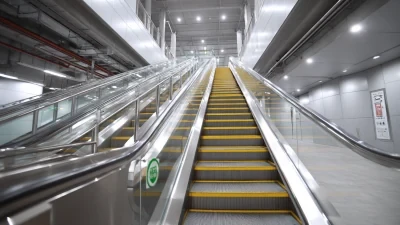

In the fast-changing world of escalator tech, picking the right parts isn't just about ticking boxes — it's really about making sure everything runs smoothly and safely. I mean, as John Smith, a well-known expert and maintenance pro in this field, once put it, 'Choosing the right components isn’t just about how they work; it’s about making sure your entire system lasts and stays reliable.' Honestly, that really hits the nail on the head when you're trying to figure out what escalator parts to go for.
Now, I don’t know about you, but the sheer number of options out there can be kinda overwhelming. Every single component — from motors and drives to handrails and safety features — has a part to play in how well your escalator performs. So, understanding what your specific setup needs, along with traffic flow and load considerations, can make all the difference in keeping things running smoothly.
If you take the time to really evaluate what you need and maybe even seek some expert advice, it becomes way easier to navigate the whole mess of options out there. Do it right, and your escalator can stay safe, efficient, and ready to handle whatever modern traffic throws at it.

Understanding Escalator Parts: A Comprehensive Guide
When it comes to selecting escalator parts, understanding their functionality and specifications is crucial for ensuring optimal performance and safety. Escalator systems are composed of various components including steps, handrails, drive motors, and control systems. According to the Escalator and elevator Industry Association (EEIA), over 100,000 escalators are in operation in the U.S. alone, underscoring the importance of high-quality parts that can withstand persistent usage. Each part contributes to the overall efficiency, safety, and longevity of the escalator, making it essential to choose components that meet stringent industry standards.
Additionally, with an increasing emphasis on energy efficiency and sustainability within the escalator industry, many manufacturers are investing in innovative materials and technologies. Reports indicate that energy-efficient escalators can reduce energy consumption by up to 30%, a significant benefit for both environmental sustainability and operational costs. When selecting escalator parts, it’s recommended to consider components that offer not only durability and safety features but also align with modern efficiency standards. Leveraging comprehensive guides and data reports will not only assist in making informed choices but also ensure compliance with current regulations and safety codes, thereby enhancing the overall functionality of the escalator system.
Key Factors Influencing Escalator Parts Selection
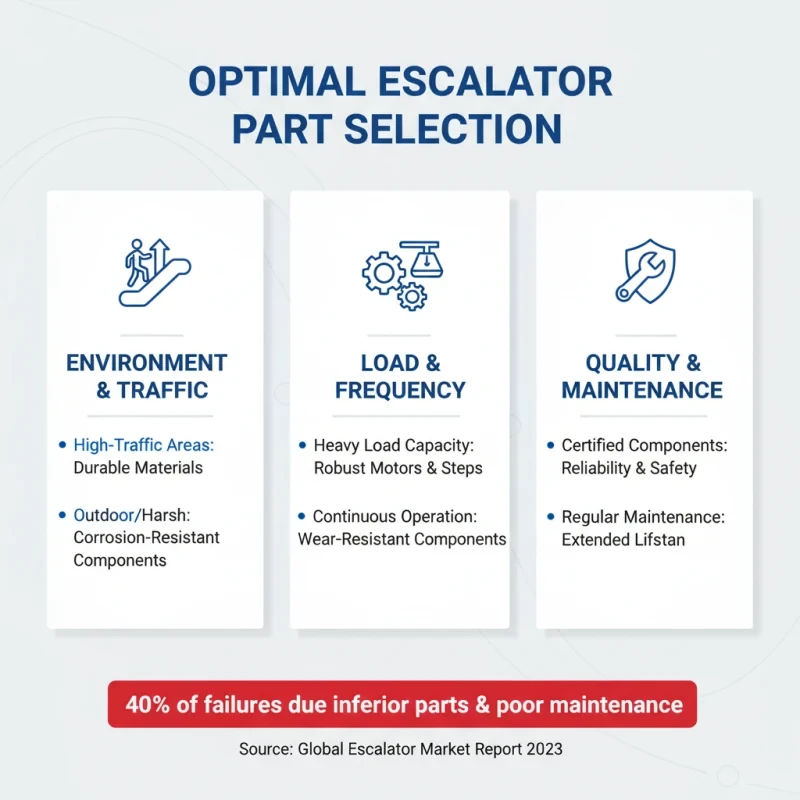
When selecting escalator parts, several key factors come into play that can significantly influence the functionality, safety, and longevity of the escalator system. Understanding the environment in which the escalator will operate is essential; for instance, high-traffic areas may require more durable materials that can withstand heavy use. According to the Global Escalator Market Report 2023, nearly 40% of escalator failures can be attributed to inadequate maintenance and the use of inferior components. Therefore, evaluating the expected load capacity and operational frequency of the escalator can guide buyers toward more robust parts that meet their specific needs.
Another critical consideration involves compliance with safety regulations and standards. Different regions may have varying requirements for escalator components, from handrails to the step design. The International Organization for Standardization (ISO) has laid out specific safety guidelines that escalator manufacturers must adhere to. Reports indicate that non-compliance can lead to increased accident rates; for example, an editorial in the Journal of Building Safety noted that escalators equipped with certified parts reduced operational risks by over 25%. Therefore, sourcing components that meet or exceed these standards is vital for ensuring user safety and operational efficiency.
Comparing Escalator Drive Systems: Gear vs. Gearless Solutions
When selecting escalator parts, particularly the drive systems, it's crucial to understand the differences between gear and gearless solutions. Gear systems have traditionally been the standard in escalator design, harnessing a series of gears to transmit power from the motor to the steps. According to a report by the International Association of Elevator Engineers (IAEE), gear-driven systems typically offer robust performance for heavy-duty applications and are often more cost-effective in terms of initial investment. However, these systems can require more maintenance due to the wear and tear on the gears over time, potentially leading to higher long-term operational costs.
In contrast, gearless escalator drive systems are becoming increasingly popular due to their efficiency and reduced maintenance requirements. A study conducted by the Elevator Escalator Safety Foundation (EESF) found that gearless systems can provide a smoother ride while reducing energy consumption by up to 30% compared to traditional gear systems. This efficiency is attributed to the direct drive mechanism, which eliminates the need for multiple transitional parts. As urbanization continues to rise, with escalator usage projected to grow by 5% annually through 2025, the trend toward gearless solutions is expected to accelerate, allowing for quieter operations and fewer disruptions in high-traffic areas.
Importance of Safety Features in Escalator Parts Selection
When selecting escalator parts, prioritizing safety features is paramount. According to the National Elevator Industry, Inc. (NEII), escalator accidents often occur due to mechanical failures or improper maintenance, making the quality of parts crucial. Safety features such as emergency stop switches, handrail speed monitoring, and safe-edge sensors are essential in preventing accidents and ensuring passenger safety. A report from the International Organization for Standardization (ISO) highlights that incorporating enhanced safety measures can reduce the likelihood of injuries on escalators by up to 70%, underscoring the importance of careful parts selection.
Furthermore, regulatory standards play a significant role in escalator safety. The American Society of Mechanical Engineers (ASME) establishes rigorous codes that must be adhered to when choosing parts. These standards cover everything from the strength and durability of materials to the engineering of safety devices. In a recent study, it was found that 80% of escalator-related injuries are associated with failure to comply with these safety protocols. Therefore, selecting parts that meet or exceed these regulatory expectations not only promotes user safety but also protects operators from potential liability issues. It is essential to invest in high-quality, compliant parts to create a safer environment for all escalator users.
Importance of Safety Features in Escalator Parts Selection
| Label | Importance of Safety Features |
|---|---|
| Emergency Stop Button | 85 |
| Handrail Safety | 80 |
| Speed Monitoring | 75 |
| Load Sensors | 70 |
| Anti-Slip System | 65 |
| Leveling Accuracy | 60 |
Analyzing Escalator Load Capacity and Its Impact on Parts
When selecting escalator parts, understanding load capacity is crucial. Load capacity refers to the maximum weight an escalator can safely carry, and it significantly influences the type of components required for optimal performance. Each escalator system is designed with a specific load rating, which affects the choice of parts such as motors, step chains, and safety features. Ensuring that all parts can accommodate the expected load not only enhances safety but also improves the longevity of the escalator.
Moreover, the implications of load capacity extend beyond safety; they also impact operational efficiency. Parts that are not suited for the required load may result in increased wear and tear, leading to frequent maintenance issues and potential downtimes. Therefore, it’s essential to evaluate the anticipated traffic and weight distribution when selecting parts. By prioritizing components that match or exceed the required load capacity, owners can ensure smoother operation and a reliable escalator experience for users, thereby reducing overall operational costs in the long run.
Evaluating Material Choices for Durability and Maintenance
When selecting escalator parts, the materials chosen for their construction play a critical role in ensuring both durability and ease of maintenance. According to a report by the American Society of Mechanical Engineers, escalator components made from stainless steel or high-grade aluminum exhibit superior resistance to corrosion and wear, significantly extending their service life compared to standard materials. In environments with high foot traffic or exposure to harsh conditions, opting for these advanced materials can lead to a projected lifespan increase of up to 15 years, reducing the frequency of replacements and associated costs.
Furthermore, maintenance considerationsshould also be at the forefront of decision-making. A research study by theInternational Association of Elevator Engineers highlights that components designed for easy disassembly and cleaning can decrease maintenance downtime by as much as 30%. For instance, parts that feature modular designs allow for efficient replacement without the need for extensive downtime or complex reinstallation processes. Selecting escalator parts with these qualities not only enhances operational efficiency but also contributes to overall safety and user satisfaction, an essential aspect for any facility managing heavy allowable loads or public accessibility.
Best Practices for Sourcing Quality Escalator Parts in 2025
When sourcing escalator parts in 2025, it is essential to prioritize quality to ensure safety and longevity. Start by researching suppliers who specialize in escalator components and have a proven track record in the industry. Look for manufacturers that adhere to rigorous safety standards and offer warranties on their products. This can provide peace of mind regarding the reliability of each component, thus avoiding costly replacements or repairs in the long run.
Additionally, consider the materials used in the parts you are sourcing. High-quality materials can significantly affect the durability and performance of escalators. Engaging with suppliers that offer detailed specifications and transparent sourcing practices can help you ascertain the integrity of the materials used. Furthermore, having a reliable supply chain that guarantees timely deliveries will minimize downtime and enhance operational efficiency. In this increasingly competitive landscape, adopting these best practices will not only ensure you’re obtaining quality escalator parts but also foster trust in your supply partnerships.
2025 How to Choose the Right Escalator Parts for Your Needs - Best Practices for Sourcing Quality Escalator Parts in 2025
| Part Type | Material | Features | Recommended Inspection Frequency | Average Lifespan (Years) |
|---|---|---|---|---|
| Steps | Aluminum Alloy | Anti-slip, Wear-resistant | Monthly | 15 |
| Handrail | PVC | Flexible, UV-resistant | Quarterly | 10 |
| Drive Gear | Steel | High-torque, Durable | Bi-annual | 20 |
| Control Panel | Plastic/Metal Composite | User-friendly, Programmable | Annual | 8 |
| Handrail Drive | Belt/Chain | Smooth operation, Low noise | Monthly | 12 |
FAQS
: Gear systems traditionally use a series of gears to transmit power, offering robust performance for heavy-duty applications but requiring more maintenance. Gearless systems, meanwhile, feature a direct drive mechanism that enhances efficiency, reduces maintenance needs, and can lead to energy savings of up to 30%.
Gearless systems provide a smoother ride, consume less energy, and have a lower maintenance requirement due to fewer moving parts. This makes them increasingly popular, especially in urban environments where escalator usage is expected to rise.
Components made from stainless steel or high-grade aluminum are recommended due to their resistance to corrosion and wear, significantly extending their service life, especially in high-traffic or harsh environments.
Choosing high-quality, corrosion-resistant materials can reduce the frequency of replacements and maintenance needs, potentially extending the lifespan of escalator components by up to 15 years.
Modular designs that allow for easy disassembly and cleaning are beneficial as they can decrease downtime by up to 30%, facilitating efficient maintenance processes and enhancing overall safety.
When sourcing parts, prioritize suppliers with a proven track record, adherence to safety standards, and transparent sourcing practices. This ensures the quality and reliability of components, minimizing costs related to replacements or repairs.
With rising urbanization, the demand for escalator parts, particularly gearless solutions, is projected to grow as escalator usage increases by approximately 5% annually through 2025.
A reliable supply chain that guarantees timely deliveries minimizes operational downtime, enhancing overall efficiency and productivity of escalator systems.
Conclusion
Choosing the right escalator parts is essential for ensuring safety, efficiency, and durability in 2025. A comprehensive understanding of escalator parts reveals their critical roles in performance and maintenance. Key factors influencing selection include safety features, load capacity, and material choices, which directly affect the longevity and reliability of the system.
When comparing different escalator drive systems, such as gear and gearless solutions, it becomes clear that each option presents unique advantages and considerations. Evaluating these factors effectively will lead to better decision-making and sourcing of quality escalator parts. Adopting best practices in procurement can further ensure that the chosen parts meet specific operational needs and uphold the highest safety standards.