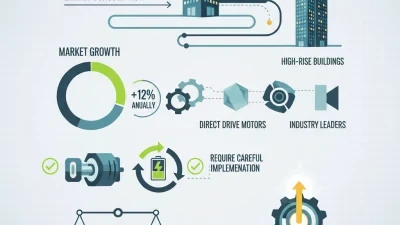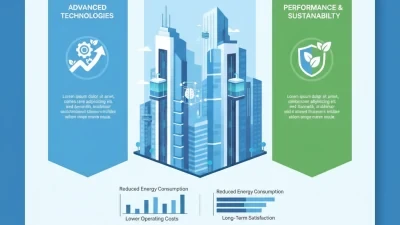
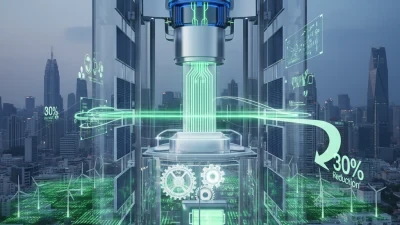
Hey, you know, as the world’s getting a lot more into sustainability these days, more and more folks are starting to see why investing in Energy-Saving Elevator Motorsis actually a smart move. According to a recent report from the International Energy Agency, elevators can eat up to 5% of the total electricity used in commercial buildings. That’s a big chunk! Switching to energy-efficient tech isn’t just good for the planet; it actually makes financial sense too. Dr. Thomas Green from Vertical Solutions, who really knows his stuff, points out, “Using an Energy-Saving Elevator Motor can cut energy costs by as much as 30%.” Pretty significant, right?
Making this switch isn’t just about saving energy—it's about boosting performance and reducing your carbon footprint at the same time. For most buildings, the savings in operating costs can add up to thousands of dollars every year. But here’s the thing—many building owners and managers still aren’t really aware of how beneficial this technology can be. A lot are stuck with outdated systems without realizing they’re leaving money on the table.
In today’s fast-changing market, embracing Energy-Saving Elevator Motors isn’t just a cool trend; it’s pretty much a must-have strategy. Investing in these innovations can bump up property value, help you stay ahead of new energy regulations, and do good for the environment too. Honestly, the time to jump on board is now—because the benefits go way beyond just saving energy, they’re also about making a positive impact on our planet.
What is an Energy Saving Elevator Motor?
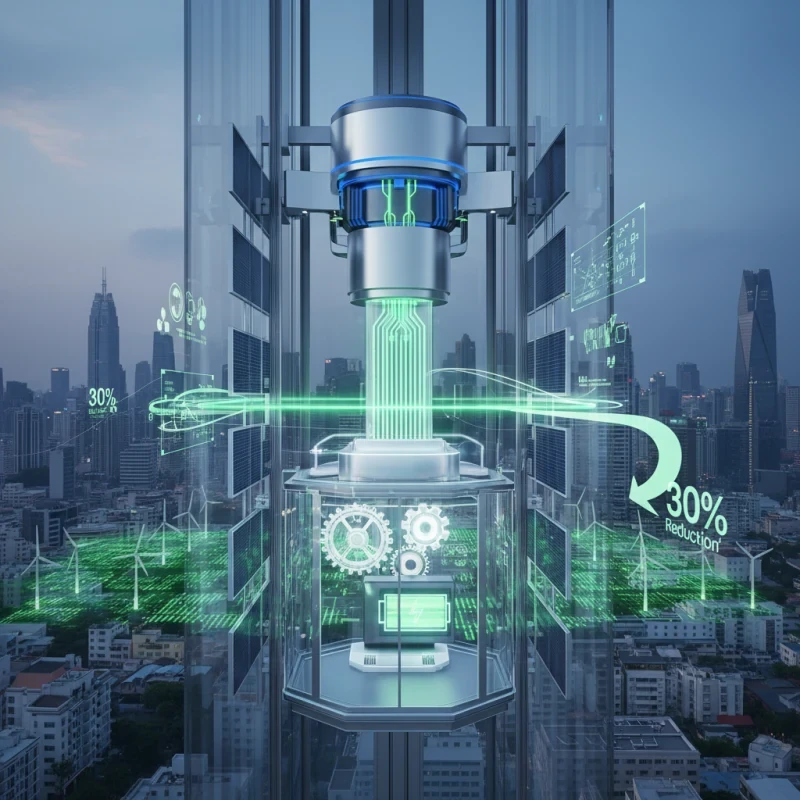
Energy saving elevator motors are innovative technology designed to reduce energy consumption in vertical transport systems. These motors often utilize advanced designs, making them more efficient than traditional elevators. They manage energy by adjusting speed based on passenger needs and load. This dynamic capability leads to significant energy savings, making these motors an eco-friendly choice for modern buildings.
Tips: When considering an energy saving elevator motor, examine the building's design. Proper alignment of the motor with the elevator shaft can maximize efficiency. Regular maintenance checks help maintain optimal performance.
The benefits of these motors extend beyond energy savings. They can contribute to reduced operational costs over time. Additionally, installing energy-efficient elevators can improve a building’s sustainability rating. Yet, it’s essential to weigh the upfront costs against the long-term savings. Not every building may find this investment immediately beneficial.
How Energy Saving Elevator Motors Work
Energy saving elevator motors play a crucial role in modern building design. They operate on advanced technologies, enhancing efficiency and reducing energy consumption. These motors use permanent magnet synchronous technology, which significantly decreases power usage compared to traditional induction motors. According to the U.S. Department of Energy, elevators account for about 2-5% of a building's total energy use. This figure emphasizes the importance of optimizing elevator systems.
The working principle of energy saving motors relies on variable frequency drives (VFDs). VFDs adjust the motor speed according to demand, cutting down on unnecessary energy consumption during low traffic periods. Reports have indicated that installing the Best Energy-Saving Elevator Motor can reduce energy usage by up to 50%. However, not all energy-efficient solutions meet the same standards, and the choice of motor must align with the specific building design and usage patterns.
While the benefits are clear, challenges persist. Some older systems may struggle with compatibility, making upgrades complex. Moreover, initial installation costs can deter decision-makers despite long-term savings. It’s essential for building owners to weigh these factors carefully. Overall, energy-efficient motors present a viable path toward sustainability in urban architecture, but further advancements in technology are needed for broader adoption.
Energy Saving Elevator Motor Efficiency Comparison
| Motor Type | Energy Consumption (kWh/year) |
|---|---|
| Standard Motor | 1200 |
| Energy Efficient Motor | 800 |
| High Efficiency Motor | 600 |
This chart illustrates the energy consumption comparison between a Standard Elevator Motor, an Energy Efficient Motor, and a High Efficiency Motor. The data shows that switching to a high-efficiency motor can significantly reduce energy consumption, highlighting the benefits of energy-saving technology for elevators.
Key Features of Energy Saving Elevator Motors
Energy saving elevator motors are designed to optimize energy consumption in building systems. These motors incorporate advanced technologies that make them efficient. They typically use a permanent magnet synchronous design, which is much more efficient than traditional induction motors. This leads to lower energy bills and a reduced carbon footprint.
Key features of energy saving elevator motors include regenerative drive systems. This technology allows the motor to capture energy during the elevator's descent, converting it back into usable power. This process can save a significant amount of energy, making these systems particularly beneficial for high-rise buildings. Additionally, many of these motors are equipped with smart sensors that adjust their operation based on real-time demand.
While the benefits are clear, there are challenges. Installation costs can be higher initially compared to conventional systems. Maintenance requires occasional expertise that may not be readily available. However, the long-term savings and environmental impact make these motors a wise investment for many buildings. Opting for a Famous Energy-Saving Elevator Motor can help address rising energy costs and sustainability goals effectively.
Comparison of Energy Saving Motors with Traditional Motors
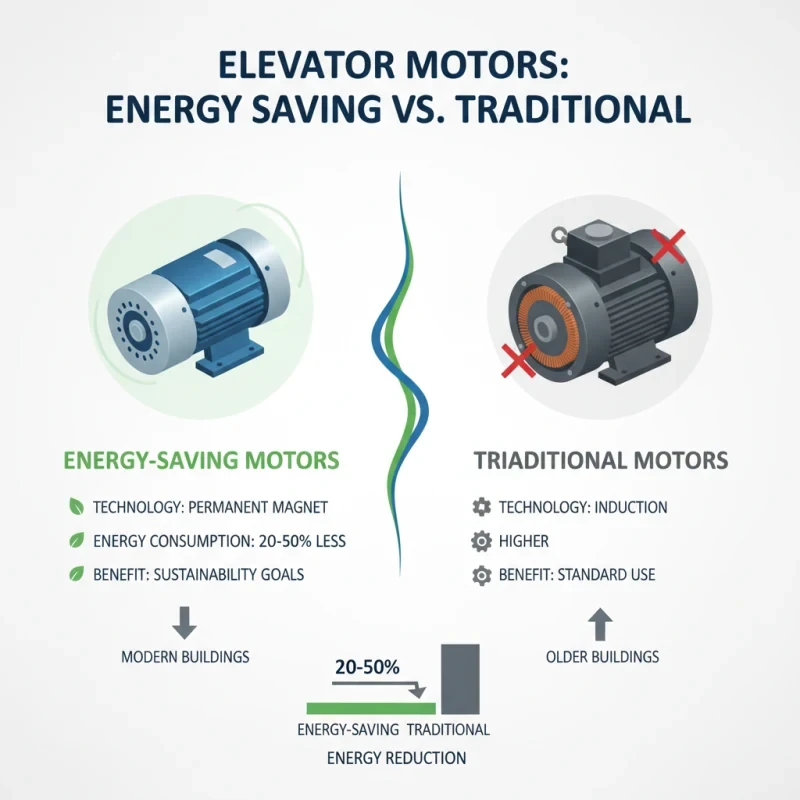
Energy-efficient elevator motors are becoming increasingly popular in modern buildings. These motors differ significantly from traditional ones in design and operation. Energy-saving motors often use permanent magnet technology, leading to less energy consumption. Reports indicate that these motors can reduce energy usage by 20-50% compared to conventional models, which is particularly essential as buildings strive to meet sustainability goals.
A key distinction lies in performance. While traditional motors can cause energy spikes during startup, energy-saving motors provide smoother acceleration. This smooth operation not only elongates the lifespan of components but also enhances user experience. Data from various studies highlight that, due to lower operational costs, energy-efficient elevators lead to significant financial savings over time.
Tips: When choosing an elevator system, consider the long-term energy savings. Assess the total cost of ownership, not just the upfront costs. Look for energy-efficient systems tailored to different building needs. At the same time, the initial investment may be higher for energy-saving motors; however, the return on investment is often seen within a few years. It’s vital to weigh these factors carefully to make informed decisions.
Benefits of Energy Saving Elevator Motors for Buildings
Energy-saving elevator motors are becoming essential in modern buildings. They not only reduce energy consumption but also lower operational costs. These motors are designed to optimize power usage, making them efficient and reliable. For property owners, this translates to significant savings over time.
One clear benefit of a High-Quality Energy-Saving Elevator Motor is sustainability. Buildings equipped with these motors contribute to a lower carbon footprint. They use advanced technologies to minimize energy waste, allowing for smarter power management. This is particularly crucial in urban areas where energy demands are high.
Another aspect to consider is maintenance. Energy-efficient motors often have fewer mechanical problems. They can operate longer without requiring extensive repairs, which can save money in the long run. However, not all installations guarantee perfection. Regular checks are still necessary to ensure optimal performance. Balancing efficiency and maintenance is key to maximizing benefits.
Cost Savings and Efficiency Improvements
Energy-saving elevator motors are designed to enhance efficiency and reduce costs. These motors utilize advanced technology to optimize energy consumption. By employing variable frequency drives, they adjust motor speed according to demand. This leads to impressive energy savings compared to traditional motors.
Businesses can see significant cost reductions on energy bills. In high-rise buildings, elevators often run frequently. If an energy-efficient motor is used, the cost savings can be substantial. For instance, a retrofit can lead to about 30% less energy usage. Additionally, lower maintenance costs are another benefit. With fewer moving parts, energy-saving motors tend to require less servicing over time.
Though energy-saving motors present clear advantages, they also pose some challenges. The initial investment can be higher than conventional options. Facility managers must assess the long-term savings against upfront costs. Some older buildings may require extensive retrofitting, which complicates the process. Careful planning and consultation with experts can help navigate these hurdles. Ultimately, the balance between efficiency and investment is critical for successful implementation.
What is an Energy Saving Elevator Motor and Its Benefits?
| Dimension | Data |
|---|---|
| Typical Motor Efficiency (%) | 85-95 |
| Energy Savings (%) | 30-50 |
| Average Payback Period (Years) | 2-5 |
| Reduction in CO2 Emissions (kg/year) | 500-1500 |
| Lifespan of Energy Saving Motors (Years) | 20-25 |
| Typical Voltage Range (V) | 220-480 |
Environmental Impact of Energy Saving Elevator Motors
The advent of energy-saving elevator motors marks a significant shift in reducing environmental footprints. These motors are designed to operate more efficiently, consuming less electricity while delivering the same performance. When installed, they contribute to a considerable decrease in greenhouse gas emissions. A typical energy-saving elevator motor can lead to energy savings of up to 30%. This reduction not only benefits the environment but also helps building owners save on energy costs.
Additionally, such motors can enhance building sustainability certification. By choosing components from an Energy-Saving Elevator Motor Factory, developers align with global green building initiatives.
Yet, the transition to these motors may pose challenges. Older buildings may require significant upgrades to integrate new systems. This can lead to increased costs and temporary disruptions. Nevertheless, the long-term benefits often outweigh these initial hurdles. Awareness and education about energy-saving technologies are crucial in navigating this transition. Embracing innovation can pave the way for a greener future.
Essential Guide to Car Boot Lining: Optimize Your Lift with Quality Elevator Spare Parts
When it comes to maintaining and optimizing your elevator's performance, understanding the role of quality spare parts is pivotal. The elevator system is a complex mechanism that requires precise components to ensure smooth operation. High-quality elevator spare parts not only enhance the reliability of your Lift but also contribute to its longevity, minimizing downtime and maintenance costs. Incorporating specialized components, such as advanced hoisting machines and durable control systems, can lead to a significant increase in the overall efficiency of your elevator, elevating your everyday operations.
Additionally, it's crucial to consider the integration of car boot lining as part of your elevator management strategy. Effective car boot lining plays a fundamental role in noise reduction, vibration absorption, and overall comfort during lifts. By optimizing the internal surfaces within the elevator car, you create a welcoming environment for users while simultaneously improving the acoustic performance of the lift. Selecting quality lining materials that are designed to withstand wear and tear will further contribute to maintaining the elevator's operational integrity, ensuring it remains a reliable transport solution for years to come. Prioritizing both spare parts and interior components is key to creating an efficient and pleasant lifting experience.

FAQS
: Energy saving elevator motors reduce energy consumption in elevators by using advanced designs and adjusting speed based on demand.
They lower operational costs through efficient power usage, resulting in significant savings over time for property owners.
They significantly decrease greenhouse gas emissions and energy consumption, contributing to lower carbon footprints.
Yes, regular maintenance checks are essential to ensure they operate efficiently and maintain optimal performance.
Not all buildings may find immediate benefits from the investment in these motors, especially older constructions.
Energy saving elevator motors can lead to energy savings of up to 30% compared to traditional systems.
Yes, installing energy-efficient motors can improve a building’s sustainability rating and align with green initiatives.
Older buildings may face significant upgrades to integrate new systems, leading to increased costs and disruptions.
Proper alignment maximizes efficiency and energy savings, making installation critical for performance.
While they usually have fewer issues, regular checks are still needed to address any potential problems that may arise.
Conclusion
An Energy-Saving Elevator Motor is designed to enhance the efficiency of elevator systems while reducing energy consumption. These advanced motors employ sophisticated technology to optimize performance, leveraging components that minimize electricity use during operation. The key features include regenerative capabilities, variable speed drive systems, and improved thermal management, setting them apart from traditional motors.
The benefits of Energy-Saving Elevator Motors are manifold; they not only provide significant cost savings in terms of energy bills but also contribute to lower carbon footprints and reduced environmental impact. By improving overall efficiency and significantly decreasing energy waste, buildings equipped with these motors can achieve sustainable operation while also enhancing the comfort and performance of their elevator systems.
Related Posts
-
The Evolution of Elevator Motor Technology for Global Industrial Leaders
-

7 Essential Elevator Parts Every Global Buyer Must Know
-
Leading Elevator Component Manufacturers from China at the 137th Canton Fair
-
Elevate Your Business with Premium Energy Saving Elevator Motors from China to the World
-
Understanding the Functionality of Elevator Push Buttons in Modern Design
-
What are Elevator Accessories and Their Importance in Modern Elevators