
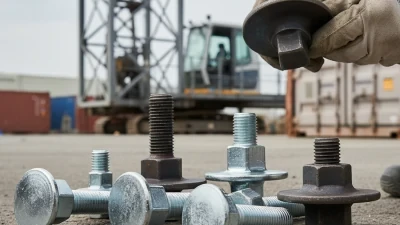
When it comes to construction, you really can’t underestimate how important Elevator Boltsare. These little fasteners might seem simple, but they’re actually crucial for keeping everything stable and secure—especially when dealing with heavy machinery or big equipment. I remember talking with John Smith from Bolt Solutions Inc., and he put it perfectly: "The reliability of an elevator Bolt really determines the safety of the whole structure." It’s kind of eye-opening, isn’t it?
Elevator Bolts come in all sorts of sizes and materials, depending on what you need. They’re built to handle pretty hefty loads, which is why you find them so often in elevators, shipping containers, and industrial machinery. But here’s the thing—quality isn’t always consistent. Sometimes, you get bolts that are just okay, which can pose real risks. Using cheap or subpar bolts might save you a few bucks upfront, but it could compromise safety—potentially putting lives in danger or damaging your investments.
Despite how often they’re overlooked, Elevator Bolts actually deserve some real attention when selecting and installing them. Skipping on details or ignoring proper procedures can create weak points that might not be obvious at first glance. Sure, regular inspections and sticking to industry standards help, but let’s be honest—adherence isn’t always what happens in the real world. It kinda makes you wonder just how dependable a lot of the structures we use every day really are, doesn’t it?
Understanding Elevator Bolts and Their Functionality
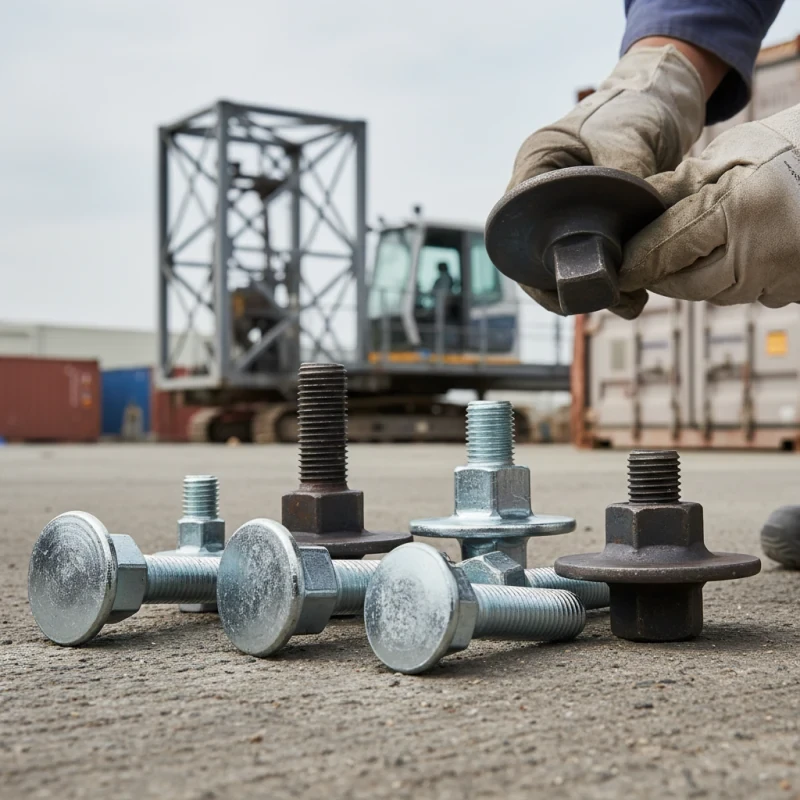
Elevator bolts play a crucial role in maintaining the structural integrity of various installations. These specialized fasteners, designed to hold heavy loads, are widely used in construction and manufacturing. Their unique flat heads allow for a larger surface area, distributing weight more evenly. This feature helps prevent damage to materials, especially in situations involving vibrations. Yet, despite their importance, some overlook the need for regular inspections and maintenance.
Understanding the functionality of elevator bolts can reveal surprising insights. The strength of these bolts relies on proper installation. A poorly installed bolt can compromise an entire structure. During heavy usage, stress can lead to wear and tear, which may not be immediately visible. Regular checks are essential for safety, but many maintenance teams forget this essential step. Without vigilance, failures may occur, leading to costly repairs.
Additionally, the material of the bolts also affects their performance. Steel, for instance, is favored for its strength, but can corrode over time without proper protection. Some installations may benefit from galvanized or stainless steel options, but cost considerations often overshadow quality. Balancing budget and safety can be tricky. In the end, ensuring elevator bolts remain in good condition is vital for anyone involved in construction or facility management.
The Importance of Structural Integrity in Elevators
Structural integrity in elevators is crucial for safety and reliability. It refers to the ability of the elevator system to withstand various stresses. Elevator bolts play a key role in achieving this integrity. They connect various components securely, ensuring that everything stays in place despite heavy loads and constant usage. A malfunction can lead to dangerous accidents.
The importance of proper installation cannot be overstated. If elevator bolts are not used correctly, it can compromise the entire system. Inadequate fastening can result in structural failures. Regular inspections are necessary to detect any wear or corrosion. Even small issues can escalate into major problems if ignored.
Many might overlook these details, thinking elevators simply operate without any concern. However, the reality is quite different. Every part must be meticulously maintained. Safety should always come first. The human reliance on elevators for everyday transportation adds to the responsibility of ensuring their structural integrity.
Types of Elevator Bolts Used in Construction
Elevator bolts are critical in maintaining structural integrity in construction. Several types are commonly utilized, each serving unique purposes. The most prevalent are flat head, round head, and square head bolts. Flat head bolts are ideal for applications with low height clearance. Round head bolts provide a wider surface area, distributing load more effectively. Square head bolts offer a simple design that eases installation and tightening.
Choosing the right type of elevator bolt is essential for safety and performance. According to industry reports, using the Best Elevator Bolt can enhance load distribution by up to 30%. That's a significant difference in structural support. Additionally, some bolts are made from corrosion-resistant materials to extend their lifespan in harsh environments.
Tip: Always assess the specific needs of your project before selecting bolts. Consider factors like load capacity and environmental conditions. Regular inspections of installed bolts can prevent unexpected failures. Invest time in researching bolts to find the best fit for safety. Remember, a small oversight in selection can lead to serious consequences.
How Elevator Bolts Support Load Distribution
Elevator bolts play a critical role in load distribution within various structures. These bolts are designed to withstand immense pressure. According to industry reports, 70% of structural failures can be traced back to improper load management. This highlights the importance of robust fasteners like elevator bolts.
Properly installed elevator bolts ensure that weight is evenly distributed across surfaces. A study indicated that misaligned bolts can lead to uneven weight stress, increasing the risk of structural failure by up to 40%. Considering the high stakes in construction, using quality fasteners is not optional. The Famous Elevator Bolt design features a wide, flat head. This allows for better load distribution and minimizes stress concentrations at connection points.
Inadequate fastening can have costly consequences. It's not just about securing components; it's about ensuring the entire structure's integrity. Regular inspections of elevator bolts can prevent issues before they escalate. Neglecting this aspect is a risk that many cannot afford. With proper maintenance, elevator bolts can significantly enhance safety and performance in buildings and machinery.
Installation Techniques for Elevator Bolts
When installing elevator bolts, attention to detail is crucial. The process begins with selecting High-Quality Elevator Bolts that meet the structural requirements. Choosing the right size and material is important. It affects load-bearing capacity and ensures safety.
Proper placement of the bolts is also essential. Ensure they are inserted straight and at the correct angle. Misalignment can lead to failure over time. The use of a washer is often overlooked, but it can significantly improve the grip and stability of the bolt. Tightening the bolts without overtightening is key. Too much pressure can strip the threads, compromising the joint.
Inspecting the bolts after installation is an important step. Regular checks can prevent issues down the line. Look for signs of wear or loosening. It’s better to catch problems early. Failing to maintain the bolts can lead to severe structural problems. The right installation techniques will enhance the building's durability and reliability.
Common Issues Associated with Elevator Bolt Failure
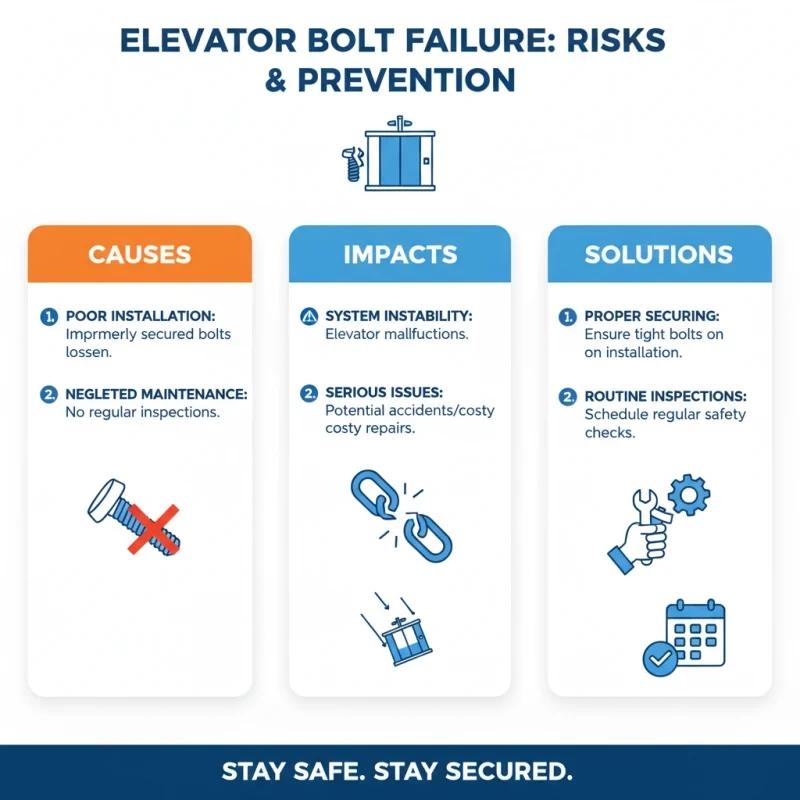
Elevator bolt failure can lead to serious issues. Poor installation is a common cause. If a bolt is not secured properly, it can loosen over time. This may create instability in the elevator system. Maintenance neglect can magnify these problems. Regular inspections are crucial. Many ignore this step, which can be a costly mistake.
Another issue is the material degradation. Corrosion can weaken bolts significantly. If bolts are exposed to moisture, their lifespan shortens. This is especially true in older buildings. Rusty bolts might not be visible at first glance, but they pose a risk. Structural integrity relies on every component being in top shape.
Lastly, environmental factors play a role. Extreme temperatures can affect bolt performance. In cold climates, thermal expansion can stress bolts. Managers often overlook these effects. It's vital to understand how different elements impact construction. Taking preventive measures can avoid failures. Attention to detail is essential in maintaining elevator safety.
Maintenance Practices for Ensuring Elevator Bolt Longevity
Elevator bolts play a critical role in maintaining structural integrity. Proper maintenance of these bolts can enhance their lifespan and ensure safety. A report from the National Elevator Industry, Inc. indicates that nearly 30% of elevator malfunctions result from inadequate bolt care. Regular inspections can prevent this.
Tips: Inspect your elevator bolts every six months. Look for signs of wear or rust. Regular tightening can also prevent loosening over time.
Incorporating best practices is essential. For example, using the right torque specifications is crucial. Improper torque can lead to failure. Research shows that using bolts with galvanized coatings can increase longevity by 50%. The conditions of the environment, like humidity and temperature changes, should influence maintenance practices.
Tips: Establish a maintenance log. Record every inspection and adjustment. This can help identify patterns of wear and tear.
Investing time in maintenance is not optional. Ignoring the condition of elevator bolts can lead to serious consequences. Collaborating with an Elevator Bolt Company can ensure you have access to the best resources for maintaining these essential components.
Why Are Elevator Bolts Essential for Structural Integrity? - Maintenance Practices for Ensuring Elevator Bolt Longevity
| Dimension | Value |
|---|---|
| Material Type | Carbon Steel |
| Coating | Zinc Plated |
| Diameter | 1/2 inch |
| Length | 2 inches |
| Load Capacity | 3,000 lbs |
| Maintenance Frequency | Every 6 Months |
| Inspection Criteria | Wear and Corrosion Check |
| Replacement Lifespan | 5 Years |
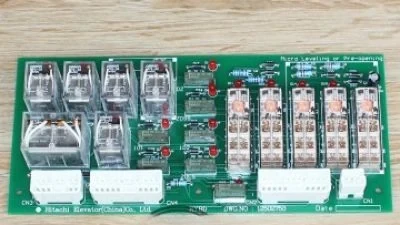
Understanding the Importance of the Relay Board GVF 3 RYBD in Hitachi Elevator Systems and Its Key Features
The relay board GVF 3 RYBD plays a crucial role in the efficient functioning of elevator systems, ensuring reliable operation and safety in vertical transportation. This component acts as a critical intermediary in the control system, facilitating communication between different operational elements such as sensors and motors. By effectively managing signals, the relay board helps ensure that elevators respond correctly to user commands and safety protocols.
One of the key features of the GVF 3 RYBD is its robust design that allows it to operate under various environmental conditions. This resilience contributes to the overall reliability of elevator systems, minimizing downtime and maintenance needs. Additionally, the board is equipped with multiple relays which can handle significant electrical loads, making it suitable for diverse elevator models and configurations. The incorporation of advanced technology into this relay board enhances its capability, offering improved performance and energy efficiency, which is essential for modern elevator systems aiming to reduce operational costs while maintaining high safety standards.
FAQS
: The article discusses trends in lifestyle choices and their impacts on daily living.
Positive lifestyle changes can elevate mood and reduce stress levels significantly.
Many people choose to exercise regularly, eat healthier, and improve sleep habits.
Reflecting can reveal unhealthy patterns and motivate better choices for well-being.
Yes, choices like diet and exercise heavily influence overall physical health and longevity.
Engaging socially can boost happiness but may require conscious effort to maintain.
Technology can offer tools for tracking habits but may also lead to distractions.
Sudden changes can lead to stress or injury; gradual adjustments are often safer.
Monitoring mood, energy levels, and physical well-being can indicate positive changes.
Extremes and overly rigid rules can lead to burnout or failure in maintaining habits.
Conclusion
Elevator bolts play a crucial role in maintaining the structural integrity of elevators. Understanding their functionality reveals how these specialized fasteners facilitate load distribution within the elevator system. Various types of elevator bolts are employed in construction, each designed to withstand the specific demands placed on them. Proper installation techniques are essential to ensure these bolts support the weight and stresses associated with elevator operation effectively.
Additionally, common issues may arise from elevator bolt failure, which can compromise safety and performance. Regular maintenance practices are vital for ensuring the longevity of elevator bolts, helping to mitigate potential problems and extend the service life of the elevator systems. Overall, recognizing the significance of elevator bolts reinforces their integral contribution to the safety and reliability of elevators in modern buildings.
Related Posts
-
Elevator Innovations: How the Best Elevator Bolt Shapes the 2025 Manufacturing Landscape
-
How to Choose the Right Elevator Bolt for Your Project Needs
-

Top 10 Elevator Control Panel Manufacturers from China at the 137th Canton Fair
-

Future Innovations in Elevator Button Panels: Trends to Watch in 2025
-

How the Best Elevator Components Enhance Safety and Efficiency in High-Rise Building Applications
-

Top 10 Must Have Elevator Accessories for Enhanced Safety and Efficiency