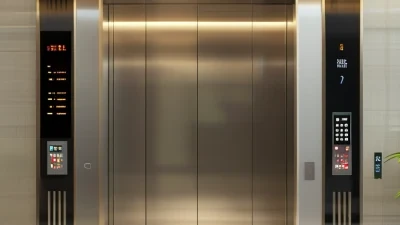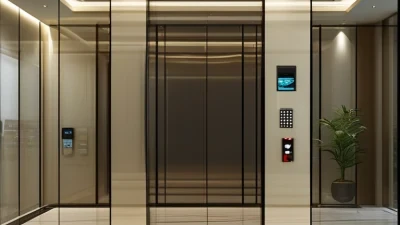
Picking the right Elevator Display Board can really make a difference in how people experience your building. As industry pro John Smith from ElevateTech puts it, “A good display board can do wonders for communication and accessibility in any public space.” That really drives home how important it is to choose a display that fits your specific needs.
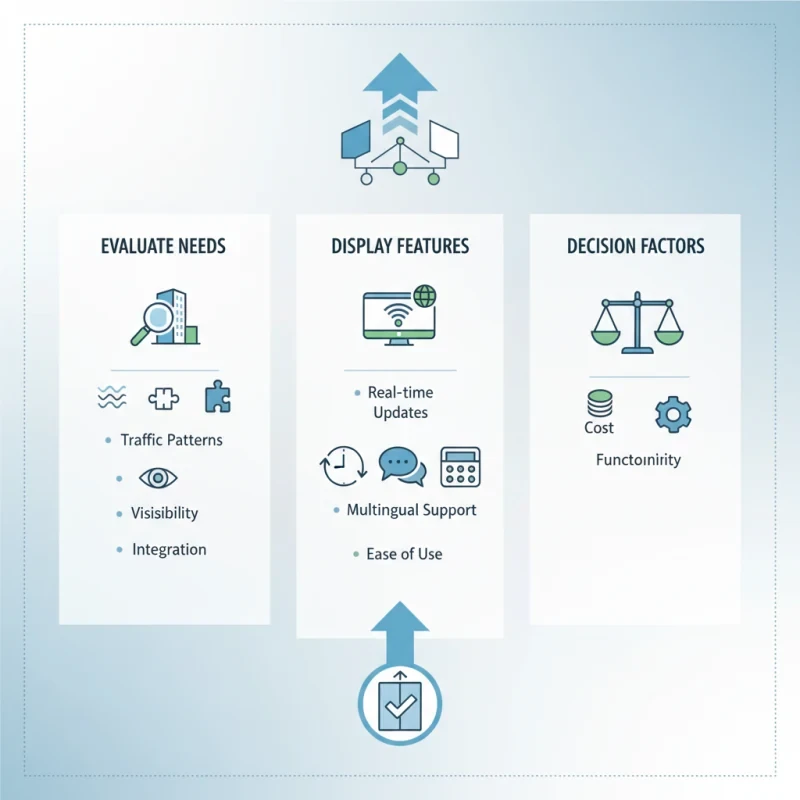
elevator Display Boards aren’t one-size-fits-all; they come in a bunch of styles and features. Think about your building’s layout and how people move around. You want to pick a display that matches what your visitors or residents need—things like visibility, how easy it is to use, and whether it works smoothly with your existing systems. Many boards now have cool features like real-time updates or support for multiple languages, but not every option is perfect for every situation.
Figuring out the best Elevator Display Board isn’t just about looks or price; you’ve gotta weigh the pros and cons of each. Some might miss certain features, or end up being a bit overcomplicated for users. So, take some time to think about how the board will actually work in your space. In the end, balancing your budget with the features you need will help you make the right call.
Understanding Elevator Display Boards and Their Purpose
Elevator display boards serve a vital role in communication within buildings. They provide real-time information about elevator status, direction, and the floor location of passengers. This information helps minimize anxiety and confusion, guiding users smoothly through their journey. Understanding these boards is essential for choosing one that meets your specific needs.
When selecting an elevator display board, consider the visibility of the display. Screens should be clear and easy to read from a distance. Poor visibility can lead to frustration. Check for brightness levels, especially in well-lit areas. Another factor is durability. The display board must withstand daily use and potential wear.
Tips for choosing a display board include evaluating the layout of your building. Think about how many elevators you have and the frequency of use. A simple interface is crucial. It should be user-friendly for all ages and abilities. Feedback from users can be valuable. It helps identify potential improvements in functionality.
In addition, assess any special features you may need. For instance, do you require multilingual support? This could be essential in diverse environments. Reflect on the current technology trends too. Choosing a display board should balance reliability with modern innovations.
Key Features to Consider When Choosing an Elevator Display Board
When selecting an elevator display board, key features can significantly influence your choice. Display clarity is paramount. Ensure the screen resolution is sufficient for all lighting conditions. High brightness levels enhance visibility, especially in bright environments. Think about the font size too. A larger, clear typeface is easier to read from a distance.
Another critical feature is the customization options. Some boards come with programmable messages. This helps convey specific information as needed, like emergency alerts or building announcements. Look for user-friendly interfaces that allow easy updates. Accessibility is essential; ensure that the display board caters to all users. Consider audio support for those visually impaired.
Integration capabilities cannot be overlooked. The board should seamlessly connect with your existing systems. It's worthwhile to assess the board's durability for long-term use. These boards often face wear and tear. Reflect on the maintenance aspect and ensure you have the tools for easy upkeep. Investing time in evaluating these features will provide a more reliable and efficient solution for your elevator needs.
Assessing Size and Visibility for Your Elevator Display Needs
When selecting the Best Elevator Display Board, size and visibility are critical factors. A study by the International Association of Elevator Engineers indicates that display boards visible from at least 20 feet away improve passenger experience. This means a larger board can often deliver messages more effectively. However, the dimensions should be balanced against available space in the elevator. If it’s too large, it may overwhelm or obstruct vital components.
Visibility goes beyond size. The light, font, and color choices directly impact readability. Research shows that contrast improves clarity, especially in low-light conditions. For instance, using a dark background with light text can enhance legibility. The height of the display board also matters. Positioning it between 48 and 60 inches from the floor is generally recommended to capture attention without causing neck strain.
Yet, it is crucial to reflect on your specific requirements. Not every building has the same foot traffic or architectural layout. In lower traffic areas, a smaller display might suffice. Regularly assessing performance and gathering passenger feedback can ensure the choice remains optimal over time. The best elevator display board is not just about meeting standards; it’s about adapting to the needs of your environment.
Exploring Design and Aesthetic Options for Elevator Displays
When selecting an elevator display board, design and aesthetics matter significantly. A well-designed display can enhance the building's overall ambiance. Consider the materials used. Glass and metal can impart a modern look, while wood may add warmth. Colors play a crucial role too. Neutral tones blend seamlessly, while bold colors can make a statement.
Functionality must align with design. The choice of font impacts readability. Simple sans-serif fonts are often more legible than ornate styles. Size matters; ensure that text can be read from a distance. Icons can aid clarity, especially in busy environments. However, balance is key. Overloading the display with information can detract from its purpose.
Reflect on the target audience. Each building has unique needs. Commercial spaces may prioritize branding, while residential buildings might focus on friendliness. Ideally, the design should cater to all potential users. Consider feedback from users regularly. This can provide insights into what's effective and what isn't. Experimenting with designs, while challenging, can lead to impactful outcomes.
How to Choose the Best Elevator Display Board for Your Needs? - Exploring Design and Aesthetic Options for Elevator Displays
| Feature | Description | Design Options | Aesthetic Considerations |
|---|---|---|---|
| Size | Common sizes range from 10 inches to 32 inches. | Landscape and portrait orientations available. | Should match elevator dimensions and décor. |
| Display Type | LED, LCD, or touchscreen options. | Customize brightness and color for visibility. | Modern or traditional design styles can be reflected. |
| Interactivity | Touchscreen options for user interaction. | User-friendly layouts and icons. | Consider the user experience and flow. |
| Connectivity | Wi-Fi and Bluetooth capabilities. | Integration with building management systems. | Seamless design integration with existing systems. |
| Material | Acrylic, glass, or metal frames. | Select materials that are durable and aesthetic. | Material should complement elevator interior. |
Evaluating Technology: Digital vs. Analog Elevator Display Boards
When evaluating elevator display boards, the choice between digital and analog technology can be crucial. Digital boards often provide clearer visuals and can display real-time information. Their displays can include announcements, advertisements, and even emergency messages. This versatility is beneficial in busy environments. However, they may require more maintenance and may have a higher initial cost.
Analog boards, on the other hand, have a classic charm. They are often easier to install and typically require less upkeep. Their display is straightforward, providing essential information without distractions. Yet, they lack the dynamic content options of their digital counterparts. Many might see the appeal of a Famous Elevator Display Board, as it combines the beauty of simplicity with functionality. However, if modernity appeals to you, the digital option could outweigh the nostalgic feel of analog.
Consider the actual needs of your users. How often will information change? Is it essential to have real-time updates? Evaluate how each technology aligns with your goals. Both types have their pros and cons, and thought should be given to what fits best. It's not just about aesthetics—consider reliability and user experience too.
Ensuring Compliance with Local Regulations and Standards
When selecting an elevator display board, compliance with local regulations is crucial. Many jurisdictions have specific requirements regarding signage. The Americans with Disabilities Act (ADA) states that elevator signs must be readable and accessible. This includes using proper fonts and sizes. An effective display board must adhere to these standards to ensure all users can navigate spaces efficiently.
According to a 2022 report by the National Elevator Industry, 35% of elevator incidents are due to inadequate signage. This highlights the importance of having a High-Quality Elevator Display Board that meets all local standards. Additionally, local governments may mandate regular inspections of signage. Failing to comply can lead to fines or safety issues. It’s wise to consult local regulatory bodies to ensure all guidelines are followed.
Many facilities overlook updating their display boards. This can lead to confusion and diminish user experience. Making sure your signage is current with regulations is a reflection of good facility management. Addressing such oversight is a necessity. Accessibility and compliance should be at the forefront of your display board choice.
Comparison of Elevator Display Board Features
| Label | User Preference (%) |
|---|---|
| LED Display | 35 |
| LCD Display | 25 |
| Smart Display | 20 |
| Touchscreen Display | 15 |
| Traditional Display | 5 |
Budget Considerations and Cost-Effective Solutions for Elevator Displays
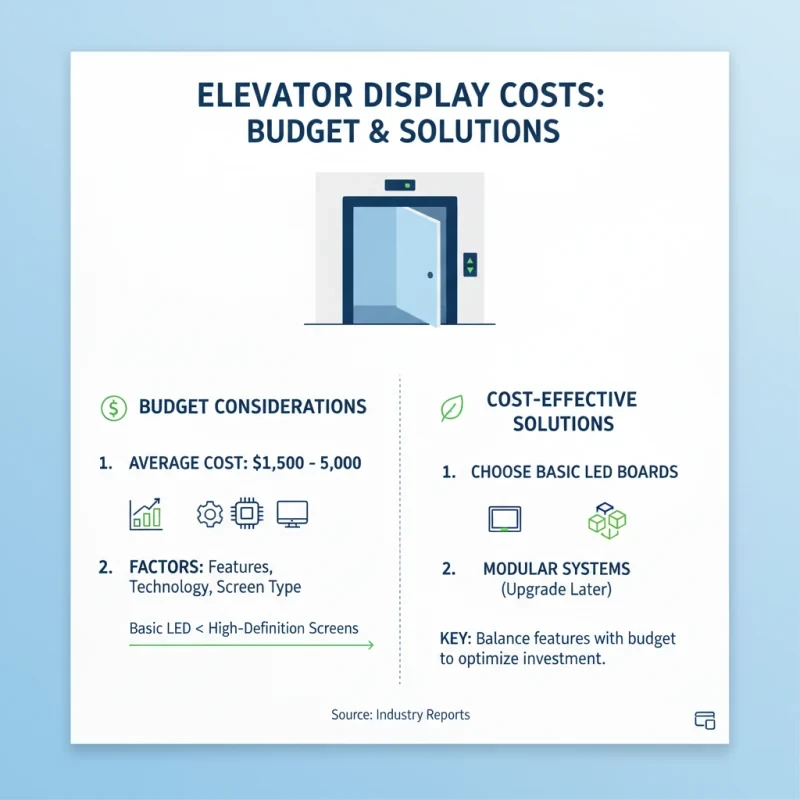
When selecting an elevator display board, budget considerations are key. Industry reports indicate that the average cost of elevator display systems ranges from $1,500 to $5,000. This price depends on features and technology. Basic LED boards may cost less, while high-definition screens can significantly increase expenses.
Understanding the specific needs of your building is crucial. A simple, functional display might suffice for a residential area. For commercial buildings, however, advanced features could enhance visibility and communication. Reports show that over 60% of users prefer interactive displays, which could justify the investment in better technology.
Moreover, cost-effective solutions exist. Consider working directly with an Elevator Display Board Factory to reduce middleman costs. Groups like these often provide tailored solutions that can fit tighter budgets. Collaborating with experienced technicians improves accuracy in specifications. Regular assessments and feedback loops ensure that the display boards meet evolving needs. This approach informs better decision-making, contributing to a more effective investment strategy.
FAQS
: Size is critical for visibility. Larger boards can deliver messages more effectively from 20 feet away, improving passenger experience.
Factors include light, font, and color. High contrast boosts clarity, especially in low-light conditions for better readability.
Display boards should be positioned between 48 and 60 inches from the floor to avoid neck strain and capture attention effectively.
No, specific requirements vary. Assess foot traffic and space. Smaller displays may work in lower traffic areas.
Digital boards offer clearer visuals and can show real-time information. They are versatile but may require more maintenance.
Analog boards are easier to install and maintain. They provide essential information simply but lack dynamic content features.
Assess the needs of users. Consider how often information changes. Evaluate which technology aligns best with your goals.
Yes, digital boards often have a higher initial cost. Reflect on budget versus the benefits of clear, real-time information.
Absolutely. While aesthetics matter, reliability and user experience should also influence your decision on display technology.
Yes, regularly gathering passenger feedback helps ensure the display board remains effective and meets user needs over time.
Conclusion
When choosing the best Elevator Display Board for your needs, it is essential to first understand their purpose and the key features that enhance usability. Consider factors such as size and visibility to ensure that the display can be easily read by passengers from various distances. Design choices also play a significant role, as a well-designed board can improve the overall aesthetic of the space and communicate information effectively.
Furthermore, evaluating the technology behind the display—whether digital or analog—can impact functionality and user experience. Compliance with local regulations is crucial to ensure safety and standard adherence. Lastly, budget considerations should not be overlooked; seeking cost-effective solutions that meet your requirements can help you make a sound investment in your Elevator Display Board while still achieving optimal performance.
Related Posts
-

Essential Tactics for Maximizing Impact with Elevator Display Boards
-

2026 Best Conveyor Bucket Types for Efficient Material Handling?
-

China Best Lift Control Panel for Global Suppliers?
-

Understanding Import and Export Certifications for the Best Elevator Push Button Industry
-

Unlock Efficiency: The Advantages of the Best Lift Control Panel for Modern Elevators
-

Elevator Innovations: How the Best Elevator Bolt Shapes the 2025 Manufacturing Landscape