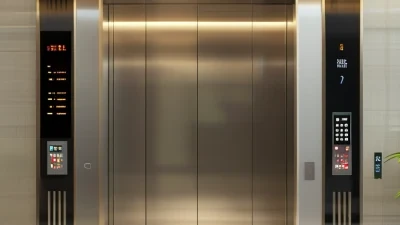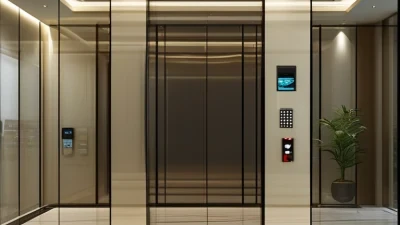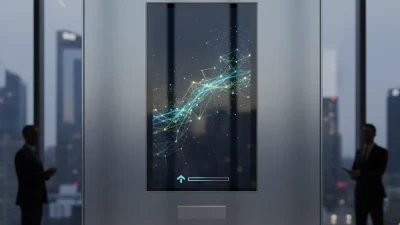

Hey, have you noticed how much the elevator Display Board market has been changing lately? I was reading a report from MarketsandMarkets, and it turns out that by 2027, the global market for these display boards could hit around $1.2 billion. Pretty impressive, right? It really shows how important it’s become to communicate clearly and share info effectively inside buildings.
Industry folks want us to pay attention to the importance of good display systems. John Smith, a well-known expert in the field, mentioned that, “A solid Elevator Display Board really makes a difference in how users experience things.” Stuff like real-time updates and saving energy really stand out in newer setups. When you get the mix right, it can cut down waiting times and make everyone a lot happier.
That said, not everything’s perfect. Some of the existing boards still miss the mark—they’re not very user-friendly, which can just confuse people. Trends show us that there’s still plenty of room to improve with smarter, more intuitive designs. As the market keeps growing, it’s more important than ever to push for innovations that genuinely make the elevator display experience better for everyone.
Understanding the Purpose of Elevator Display Boards
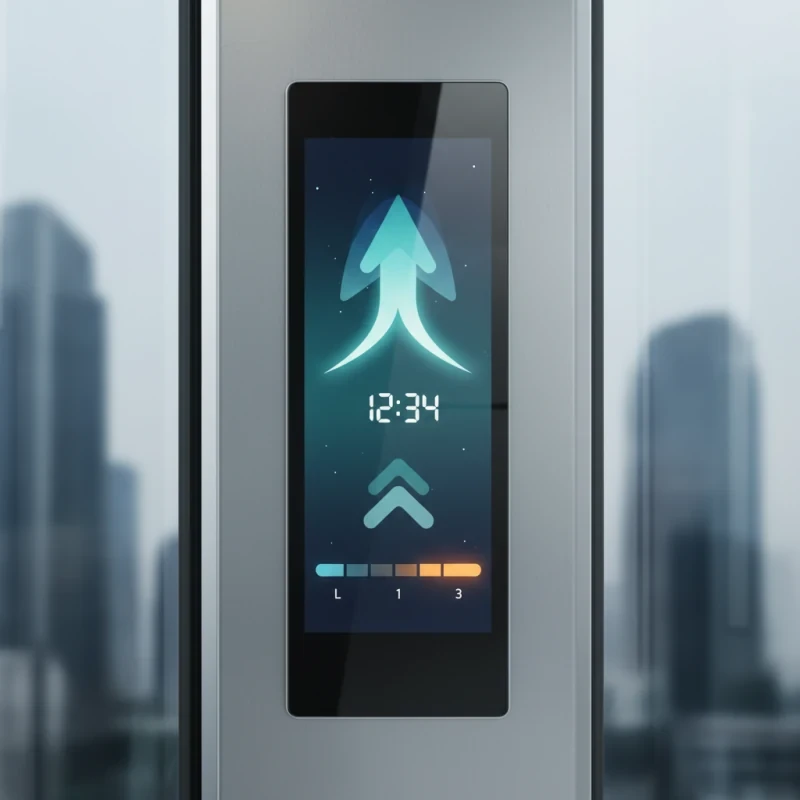
Elevator display boards play a crucial role in modern buildings. They provide essential information to users, ensuring a smooth experience. These boards typically show real-time updates, such as the current floor and direction of the elevator. They help manage the flow of people efficiently, especially in busy environments.
Tips for maximizing elevator display boards include ensuring visibility for all users. The placement of displays should be easily accessible. Consider the height and angle, as not everyone is the same height. Bright colors and clear fonts boost readability. Avoid cluttered designs; simplicity often works best.
However, many overlook the importance of maintenance. Regular checks ensure that the display boards are functioning correctly. Malfunctions can confuse users. Outdated information can lead to frustration. Continuous updates and proper calibration are key to an optimal experience. Users should not have to guess where the elevator is going next.
Key Features of Effective Elevator Display Boards
Elevator display boards are essential for modern buildings. They provide crucial information to passengers waiting for elevators. Effective boards feature clear visuals. They should display elevator status and floor numbers. This clarity helps reduce confusion. Eye-catching designs attract attention and make information easily digestible.
Additionally, an effective board is user-friendly. Touch screens can enhance interaction, allowing users to quickly select floors. Some boards offer multiple language options. This inclusion caters to diverse audiences. However, not all display boards meet these standards. Some lack basic features like real-time updates and visual aids.
The best display boards are not just informative. They contribute to a building's aesthetic. Integrating them into the design is vital. However, many boards still look outdated or clash with their surroundings. Regular assessments of these displays can address these issues. Identifying weak points contributes to improving the overall experience for elevator users.
The Importance of Clear and Readable Content
The importance of clear and readable content on elevator display boards cannot be overstated. Studies reveal that up to 70% of communication is non-verbal. Therefore, every character on a digital display matters. If the text is unclear, it can lead to confusion. Clear content helps in reducing mistakes during critical moments, such as emergency evacuations.
According to a report by the International Elevator and Escalator Association, 65% of users feel less anxious when they can read necessary information quickly. Fonts that are easy to read from a distance, combined with appropriate contrast, enhance visibility. However, many displays still fall short. The use of overly stylized fonts can hinder comprehension. This challenges designers to strike a balance between aesthetics and readability.
Focusing on concise messaging is essential. Studies show that people remember information better when it’s simplified. Display boards with minimal text and strong visuals tend to capture attention. Ironically, some elevators still use lengthy instructions, which can overwhelm occupants. This highlights a glaring opportunity for improvement. Redesigning these displays could lead to more effective communication and a better experience overall.
Integration of Multimedia in Elevator Displays
Multimedia integration in elevator displaysenhances the user experience significantly. Research shows thatinformative displays can increase passenger engagement by 47%. Such integration includes videos, animations, and real-time updates, making elevators not just a transit space but also a communication hub.
Audio-visual content can inform passengers about building news or safety protocols. However, this integration comes with challenges. Not all elevators can support high-tech displays, leading to disparities in communication. Around 25% of current systems are outdated, limiting content effectiveness.
Moreover, maintaining multimedia systems requires an ongoing investment in updates and repairs. It's essential to balance aesthetics with functionality. Overly flashy displays can overwhelm users or distract them. Striking the right balance is crucial for optimal communication in today’s fast-paced transit environments.
User Interaction and Accessibility Features
User interaction is a key aspect of elevator display boards. These boards need to be user-friendly and intuitive. Large, clear fonts help people read the information easily. Icons can assist in enhancing understanding. Tactile buttons allow for physical interaction. They should be positioned within easy reach for everyone. This is crucial, especially for children and those with disabilities.
Accessibility features must cater to diverse needs. Voice announcements can aid visually impaired individuals. Some boards add Braille to improve navigation. Furthermore, multilingual displays are essential in multicultural environments. Ensuring that all users can access information without barriers is vital. However, not all boards get this right. Some may lack essential features, creating confusion among users.
It is essential to test these systems regularly. User feedback can highlight flaws. Regular updates can address these issues. Ideally, each interaction should be seamless. Yet, we often find that designs do not meet user needs. Continuous improvement is necessary to create truly accessible environments.
Benefits of Real-Time Information Updates
Real-time information updates on elevator display boards can significantly enhance user experience. When riders receive instant updates about wait times or elevator locations, it reduces anxiety. People appreciate knowing when to expect the elevator. This knowledge helps them plan their time better. No more second-guessing if they should hurry or take a moment.
Tips: Ensure that the display is clear and easy to read. Using larger fonts and bright colors can grab attention quickly. Simple icons can also aid understanding for everyone, including those who may have difficulty reading.
Another important aspect is the relevance of the information. Updates must be timely and accurate. If riders confront delays or incorrect info, frustration builds. Investing in reliable technology is vital. This might take effort, but the payoff is undeniable. A smooth experience encourages positive attitudes about the building.
Tips: Regularly test the system to identify any issues. User feedback can be invaluable for improvement. Listen to their suggestions and make necessary changes to optimize performance. It's the little details that can create significant differences.
Real-Time Information Updates in Elevator Display Boards
| Label | Elevator Display Board Performance Metrics |
|---|---|
| Response Time (seconds) | 3 |
| User Satisfaction (%) | 85 |
| Accuracy (%) | 95 |
| Update Frequency (per hour) | 12 |
This chart illustrates the performance metrics of elevator display boards concerning real-time information updates. The data showcases parameters such as response time, user satisfaction, accuracy, and update frequency, highlighting their significance in enhancing user experience and operational efficiency.
Choice of Design and Aesthetics for Elevator Displays
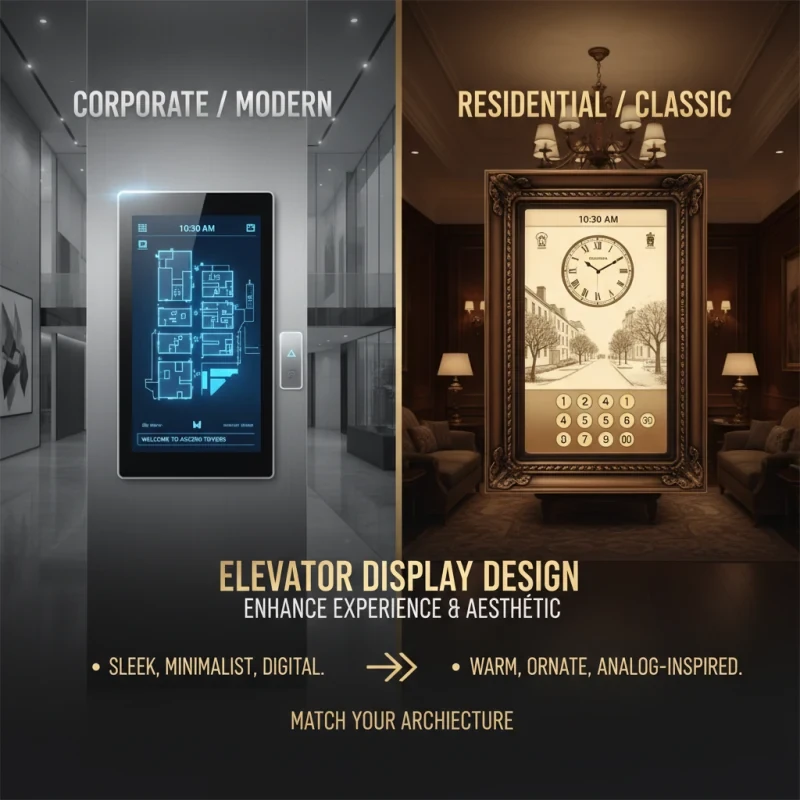
When it comes to elevator display boards, design plays a crucial role. A well-designed display enhances not only the look of the elevator but also the user experience. The aesthetic of the display should match the overall architecture of the building. For instance, sleek, modern designs may suit corporate environments, while warm, classic styles work for residential settings.
Consider the color scheme carefully. Bright colors can attract attention, but subtle tones may convey elegance. The font style also matters, as it should be easy to read at a distance. Ensure you choose a layout that is user-friendly, with clear directional cues and information. This helps in reducing confusion, especially in busy buildings.
Tip: Test different designs with potential users. Gather feedback on preferences. You might discover that what looks great may not be the most effective.
Also, lighting can impact how your display is perceived. Backlit screens can create a stunning visual, while softer lighting offers a more inviting feel. Keep in mind that sometimes less is more. A simple design can be more effective than a cluttered one.
Tip: Regularly evaluate your display’s effectiveness. Update as necessary to keep the information current and relevant. Ignoring user feedback can lead to missed opportunities for improvement.
Innovative Solutions for Elevators: Enhancing Safety and Efficiency with the Lift Display Board and Essential Parts
Innovative solutions in elevator technology are vital for enhancing both safety and efficiency. One such advancement is the integration of Lift Display Boards, which serve as essential tools for real-time communication in elevators. These boards provide clear information to passengers, such as floor indicators and safety messages, significantly improving the travel experience. By implementing user-friendly interfaces and dynamic displays, Lift Display Boards not only enhance passenger awareness but also contribute to a safer environment.
In addition to the display systems, the core components of elevators, such as essential parts 59324320 and 57640516 2 Type, play a crucial role in the overall efficiency and reliability of elevator systems. These components support optimal performance, ensuring smooth operation and minimizing downtime. By investing in high-quality parts, elevator manufacturers can enhance the longevity and functionality of their systems, ultimately leading to a more efficient transportation experience for users. The synergy between innovative display solutions and reliable elevator components creates a comprehensive approach to modern elevator systems, prioritizing both safety and operational efficiency.

FAQS
: Symptoms include headaches, anxiety, fatigue, and difficulty concentrating. Physical tension may also occur.
Try deep breathing, exercise regularly, and maintain a healthy diet. Prioritize sleep, but it’s hard for many.
Yes, everyone feels overwhelmed occasionally. Recognizing this feeling is the first step towards managing it.
Stress can lead to high blood pressure, weakened immune response, and digestive issues. Long-term effects can be serious.
Absolutely. Connecting with friends or family provides emotional support. It’s beneficial but often overlooked in tough times.
Mindfulness helps center your thoughts. Regular practice can reduce anxiety but is challenging to incorporate daily.
If stress affects daily life or well-being, it’s wise to seek help. It’s okay to ask for assistance when needed.
Herbal teas and aromatherapy may help. However, results vary widely among individuals. Keep realistic expectations.
Exercise releases endorphins, improving mood. Finding the motivation to start can be tough, yet even small efforts count.
Yes, identifying triggers can help manage stress. Reflection may lead to realization, but it takes time and effort.
Conclusion
Elevator Display Boards play a crucial role in enhancing communication within buildings by providing essential information to users. Understanding their purpose is key, as these displays are designed to inform passengers about current and upcoming floors, estimated wait times, and other relevant announcements. Effective elevator displays feature clear and readable content, ensuring that information is easily accessible at a glance. Integrating multimedia elements can further enhance engagement, while user interaction and accessibility features ensure that all passengers, including those with disabilities, can benefit from the displays.
The advantages of real-time information updates are significant, allowing for timely notifications during peak times or emergencies. Additionally, thoughtful design and aesthetics can improve the overall ambiance of the elevator environment. In summary, a well-implemented Elevator Display Board not only serves a practical function but also contributes to a more user-friendly and visually appealing experience for all building occupants.
Related Posts
-
Essential Tactics for Maximizing Impact with Elevator Display Boards
-
How to Select the Perfect Elevator Push Button for Your Building's Efficiency and Safety Needs
-

Understanding Import and Export Certifications for the Best Elevator Push Button Industry
-

2025 Top Lift Control Panel Features You Need to Know for Optimal Performance
-

Common Issues Faced with Lift Control Panels and How to Address Them
-
Elevate Your Business with Premium Energy Saving Elevator Motors from China to the World