In today’s world of vertical transportation, the Lift Control Panel is pretty much a key player—it’s the main interface that really boosts how users experience the elevator and how smoothly everything runs. As we head towards 2025, it’s more important than ever for building owners, facility managers, and elevator service pros to be familiar with the latest features these panels offer. The blend of cutting-edge tech and simple, user-friendly designs is totally changing the game, making sure elevators work better and safer in all kinds of buildings.
With everyone leaning more into smart building technologies, Lift Control Panels are right there at the forefront. They’re packed with features like advanced monitoring, better connectivity, and automation that just make life easier. Think about intuitive touchscreens and energy-saving options—they do more than just control the lift, they also give you useful data that can help with maintenance and cut down on downtime. As we look ahead to the top features expected in these panels by 2025, we’ll see how all these innovations boost the overall efficiency of elevator systems. That’s good news, because it means happier users and more reliable operation. Keeping up with these developments is honestly the best way to stay competitive and make sure your vertical transport solutions are ready for the future.
Key Features of Lift Control Panels for Enhanced User Experience
In the evolving landscape of lift control panels, user experience remains a pivotal concern for both manufacturers and end-users. Research from the International Association of Elevator Engineers reveals that a streamlined interface can enhance user satisfaction by up to 30%. Modern lift control panels are now incorporating intuitive touch-screen technologies that not only simplify operation but also provide real-time feedback on lift status and diagnostics. Such advancements allow users to interact effortlessly with the system, reducing wait times and improving overall accessibility.
Another key feature that enhances user experience is the integration of smart technology. According to a report by the Global Smart Elevator Market Analysis, the demand for smart lift systems is projected to grow by over 15% annually through 2025. These systems utilize advanced algorithms and machine learning to optimize lift performance, ensuring that they respond to user patterns in real time. By predicting peak usage times and adjusting operation accordingly, smart lift control panels significantly reduce energy consumption while maximizing efficiency, providing a seamless experience for users in high-traffic environments.
2025 Top Lift Control Panel Features
| Lift Control Panel Features | Importance Rating (1-10) |
|---|---|
| User-friendly Interface | 9 |
| Real-time Monitoring | 8 |
| Remote Control | 7 |
| Energy Efficiency | 6 |
| Safety Features | 9 |
This chart illustrates the key features of lift control panels that enhance user experience for optimal performance in 2025. The features highlighted represent essential elements users prioritize when interacting with lift systems.
Understanding the Importance of Intuitive User Interfaces in Lift Controls
In the realm of lift control panels, the significance of intuitive user interfaces cannot be overstated. An effective user interface not only enhances the operational efficiency of lifts but also contributes to a smoother user experience. When users can easily navigate the control panel, they spend less time figuring out how to operate the system and more time focusing on their intended journey. This simplicity is crucial in environments such as high-rise buildings, where quick and accurate operations are essential for optimizing traffic flow.
Moreover, an intuitive interface plays a vital role in safety and accessibility. Clear labeling, logical layouts, and responsive touchscreens ensure that users of all ages and abilities can operate lifts without confusion. In emergencies, this clarity can make the difference between maintaining calm or inciting panic. A well-designed control panel prioritizes accessibility features, accommodating individuals with disabilities and ensuring that everyone can use the lift confidently and safely. By integrating user-friendly designs, lift manufacturers not only enhance functionality but also promote an inclusive environment for all users.
Advanced Safety Features in 2025 Lift Control Panels
Advanced safety features are crucial in the design of lift control panels for 2025, ensuring not only compliance with regulations but also providing peace of mind for users and operators alike. One of the most notable advancements is the integration of real-time monitoring systems, which continuously assess the operational status of the lift. This feature allows for immediate detection of anomalies and can trigger alarms, notifying maintenance crews before issues escalate into serious problems. Additionally, panels now come equipped with emergency stop buttons that are both easily accessible and intuitively designed, allowing swift action in case of unforeseen emergencies.
Moreover, the incorporation of user authentication systems enhances security by restricting access to authorized personnel only. Biometric scanners and RFID technology are becoming commonplace, ensuring that only trained operators can interact with the lift's controls. Another vital safety feature is the enhanced redundancy protocols embedded within the control systems, which ensure that if one component fails, another can take over seamlessly, minimizing the risk of accidents. With these advanced safety features, lift control panels in 2025 are set to significantly elevate both user confidence and operational efficiency in vertical transportation.
Energy Efficiency Innovations in Modern Lift Control Systems
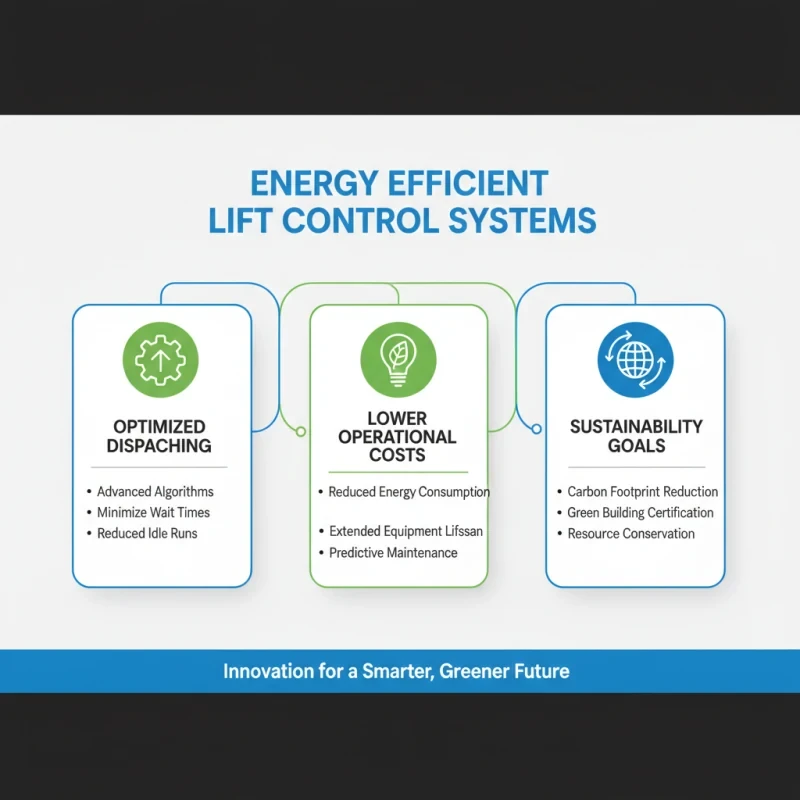
Energy efficiency has become an essential factor in the design and development of modern lift control systems. As building owners and operators strive to reduce energy consumption and lower operational costs, innovative technologies are being integrated into lift control panels. These innovations not only enhance performance but also contribute to sustainability goals. For instance, advanced algorithms are employed to optimize lift dispatching, minimizing wait times and energy usage by ensuring that lifts operate at peak efficiency.
Another significant advancement in lift control systems is the incorporation of regenerative drives. These drives capture and reuse energy during the lift's descent, converting kinetic energy back into electricity that can be fed back into the building’s power grid. This innovation not only decreases overall energy consumption but also enhances the system's performance by smoothing out operational peaks. Furthermore, the integration of IoT technology allows for real-time monitoring and data analysis, enabling predictive maintenance and energy usage optimization. As a result, these features ensure that lift systems are not only efficient but also reliable, significantly impacting the overall performance of the building's vertical transportation.
Integration of Smart Technologies into Lift Control Panels
The integration of smart technologies into lift control panels is revolutionizing the elevator industry, significantly enhancing operational efficiency and user experience. According to a recent report by the International Elevator and Escalator Federation (IEEF), the market for smart lift systems is projected to grow by 23% annually through 2025, driven by advancements in IoT, AI, and data analytics. Smart technologies enable real-time monitoring and predictive maintenance, reducing downtime and operational costs. By investing in these innovations, building managers can optimize service efficiency, ensuring that elevators operate smoothly and meet user demands effectively.
Moreover, the incorporation of smart features, such as touchless control and advanced user interfaces, is reshaping passenger interactions with lifts. A study conducted by the Global Elevator and Escalator Market Research Group indicates that nearly 60% of users prefer contactless solutions, particularly in the wake of heightened hygiene concerns. Smart control panels equipped with AI can learn passenger patterns, adjusting the service based on peak hours and waiting times. As these technologies advance, the ability to customize settings for different user groups, including those with disabilities, further emphasizes the importance of integrating smart features in lift control systems for enhanced safety and accessibility.
Maintenance and Troubleshooting Tips for Optimal Lift Performance
Maintaining optimal lift performance requires a proactive approach to maintenance and troubleshooting. Regular inspections play a crucial role in identifying wear and tear before they escalate into more significant issues. Pay attention to the lift control panel's indicators, such as warning lights and error codes, which can provide immediate insights into potential malfunctions. Additionally, ensure that all connections and wiring are secure and free of corrosion, as these factors can compromise the lift's performance and safety.
When troubleshooting lift issues, start by reviewing the user manual for the specific control panel features and error messages. Familiarizing yourself with common problems, such as unresponsive buttons or erratic operation, empowers technicians to address them efficiently. It's essential to perform routine software updates and recalibrations, which can enhance system performance and responsiveness. By maintaining clear documentation of all maintenance activities and repairs, you can develop a history that helps in diagnosing recurring issues and planning for future servicing needs.
2025 Top Lift Control Panel Features You Need to Know for Optimal Performance - Maintenance and Troubleshooting Tips for Optimal Lift Performance
| Feature | Description | Importance | Maintenance Tips | Troubleshooting Tips |
|---|---|---|---|---|
| User-Friendly Interface | Intuitive controls for ease of operation | Enhances operator efficiency and reduces errors | Regularly check for software updates | Reset panel if facing response delays |
| Safety Features | Includes emergency stop, overload protection | Critical for safe operation | Inspect safety mechanisms monthly | Check sensor alignment for accurate operation |
| Remote Monitoring | Allows monitoring of lift operations remotely | Enables proactive maintenance | Ensure internet connectivity is stable | Restart monitoring application if not responding |
| Data Logging | Records usage statistics and performance data | Helpful for performance analysis | Regularly download and review logs | Check for software malfunction if no data is recorded |
| Customizable Settings | Operators can set personalized parameters | Enhances user experience based on specific needs | Document and periodically review settings | Restore factory settings if issues arise |
Future Trends in Lift Control Panel Technology and Design
As the elevator industry evolves, the future of lift control panel technology is characterized by advancements that enhance user experience, safety, and operational efficiency. A recent report by the International Elevator and Escalator Industry Association highlights that the global market for smart lift systems is expected to reach $15 billion by 2025, driven by an increasing emphasis on automation and connectivity. These smart panels are set to incorporate features such as IoT integration, allowing for real-time monitoring and predictive maintenance, which can significantly reduce downtime and maintenance costs.
Additionally, the design of lift control panels is shifting towards more user-friendly interfaces. Trends indicate a move towards customizable layouts and touchless operation, influenced by the growing demand for hygiene and convenience. A survey conducted by the Building Owners and Managers Association showed that 70% of property managers believe that integrating touchless technology in lifts has become a necessity, especially post-pandemic. This emphasizes the need for companies to prioritize design features that not only enhance functionality but also align with evolving consumer expectations for safety and user interaction. Incorporating such innovations will be vital for optimizing lift performance and retaining competitiveness in a rapidly changing market.
FAQS
: Energy efficiency is crucial in the design of modern lift control systems as it helps reduce energy consumption and lower operational costs, contributing to sustainability goals.
Advanced algorithms optimize lift dispatching by minimizing wait times and energy usage, ensuring that lifts operate at peak efficiency.
Regenerative drives capture and reuse energy during the lift's descent, converting kinetic energy back into electricity, which decreases overall energy consumption and enhances system performance.
IoT technology enables real-time monitoring and data analysis, facilitating predictive maintenance and energy usage optimization, which improves the reliability and efficiency of lift systems.
Smart technologies significantly enhance operational efficiency and user experience by enabling real-time monitoring and predictive maintenance, which reduces downtime and operational costs.
Touchless control offers a hygienic solution for users, which has become increasingly preferred, particularly in response to heightened hygiene concerns.
AI can learn passenger patterns and adjust lift service based on peak hours and waiting times, optimizing service efficiency for users.
Lift control systems are integrating smart features that allow customization for different user groups, including those with disabilities, enhancing safety and accessibility.
The smart lift systems market is projected to grow by 23% annually through 2025, driven by advancements in IoT, AI, and data analytics.
The integration of smart features is important as it reshapes passenger interactions, enhancing service efficiency, safety, and accessibility in lift operations.
Conclusion
The article "2025 Top Lift Control Panel Features You Need to Know for Optimal Performance" delves into the essential characteristics that lift control panels must possess to elevate user experience and operational efficiency. It emphasizes the significance of intuitive user interfaces, which enhance user interaction and navigation. Safety features are highlighted as paramount, with advancements ensuring a secure environment for all passengers.
Moreover, the article explores innovations geared towards energy efficiency, illustrating how modern lift control systems are designed to consume less power while maintaining superior performance. The integration of smart technologies is also discussed, showcasing how these advancements can provide real-time data and enhance control capabilities. Additionally, practical maintenance and troubleshooting tips are provided to ensure optimal lift performance. Finally, the piece reflects on future trends in lift control panel technology and design, paving the way for smarter and more user-friendly solutions in the industry.
Related Posts
-

Mastering Elevator Safety: Essential Techniques for Choosing the Best Elevator Switch
-

Future Innovations in Elevator Button Panels: Trends to Watch in 2025
-
Resilient Growth of Chinese-Made Elevator Control Panels Amidst US-China Tariff Challenges
-

How 'Best Elevator' Manufacturing Thrives Amidst China-US Tariff Challenges: Insights and Data
-
Elevator Control Panel Innovations for 2025 Must Have Checklist for Global Buyers
-

Unlock Efficiency: The Advantages of the Best Lift Control Panel for Modern Elevators