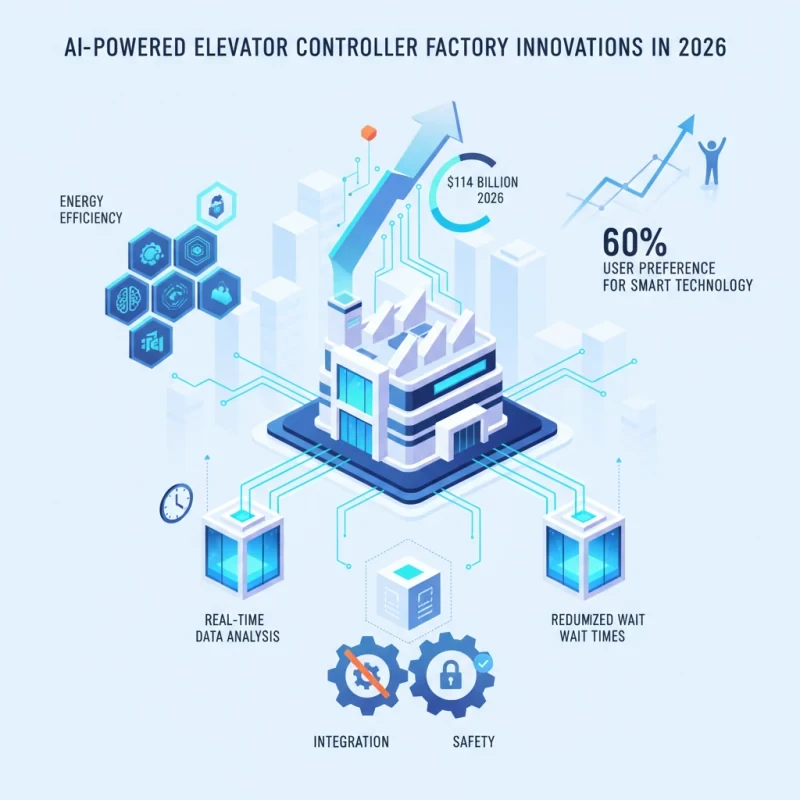
Lately, you’ve probably noticed how much the elevator industry is changing, and a lot of it is thanks to new tech. One of the coolest advancements right now is theAi-Powered Elevator Controller, which is a real game-changer. Industry reports are talking about the global elevator market hitting about $114 billion by 2026, and smart tech is leading the charge. It's not just about convenience anymore—more folks are really looking for energy-efficient, intelligent systems, which means manufacturers are under pressure to come up with innovative solutions.
Big names like OTIS and Thyssenkrupp are digging into AI-powered controllers to make elevators smarter and improve your experience. These systems crunch real-time data to figure out the best dispatch routes, so wait times are reduced, and everything feels smoother. Of course, it’s not all seamless—integrating these new systems with existing buildings can be tricky and sometimes pretty expensive.
As cities grow and change, these innovations become even more critical. They shouldn't just make things quicker and more efficient—they also have to be super safe. Interestingly, about 60% of users actually prefer elevators with smart tech features, so trust and reliability are becoming a big deal as we move forward into this new era. Honestly, the development of Ai-Powered Elevator Controllers is still in full swing — it’s a journey that needs constant tweaking and adapting to stay ahead of the game.
Innovations in AI-Powered Elevator Controllers: An Overview
As cities grow taller, the demand for efficient transportation within buildings increases. AI-powered elevator controllers are at the forefront of this innovation. These systems analyze traffic patterns, destination requests, and user behavior in real-time. They optimize elevator dispatch, reducing wait times and improving energy efficiency.
Implementing AI technologies offers great potential. Yet, challenges remain. For example, data privacy concerns are significant. Users may be wary of the information collected by these systems. Ensuring data protection is crucial for widespread acceptance. The balance between innovation and user trust must be addressed carefully.
Moreover, not all AI solutions work seamlessly. Some may struggle with busy periods, causing delays. Continuous learning and adjustments are necessary to enhance performance. The journey towards the Best Ai-Powered Elevator Controller is ongoing. It requires insights from various stakeholders, including engineers and users. In this dynamic landscape, reflecting on challenges will help drive positive change.
Market Trends: Growth of AI in Elevator Systems 2021-2026
The growth of AI in elevator systems has gained significant momentum from 2021 to 2026. With urbanization accelerating, smart building technologies are on the rise. AI-powered solutions offer efficiency and optimization that traditional elevator systems lack. It’s not just about speed; it’s about smart learning and adapting to user patterns.
Many modern elevators feature AI algorithms that predict traffic patterns. This helps in reducing wait times significantly. Building managers increasingly rely on these technologies. Famous Ai-Powered Elevator Controllers can analyze usage data to improve service. However, there are challenges, including data privacy concerns and the high cost of implementation.
Integrating AI within existing infrastructure may present difficulties. Many older systems are not compatible, complicating upgrades. Not all manufacturers fully grasp AI potential yet, leading to inconsistent quality. Continuous evaluation and improvements are crucial in this evolving field. AI is transforming elevators, but careful consideration of its challenges is necessary for successful implementation.
2026 Best Famous Ai Powered Elevator Controller Factory Innovations
| Innovation | Description | Expected Market Impact (2026) | Growth Rate (%) |
|---|---|---|---|
| Predictive Maintenance | Using AI algorithms to predict potential failures before they occur. | Increase operational efficiency | 15% |
| Smart Traffic Management | AI systems that optimize elevator dispatching based on real-time data. | Reduced wait times | 20% |
| User Experience Enhancement | Personalized interactions based on user preferences and behavior. | Higher user satisfaction | 18% |
| Energy Efficiency Optimization | AI systems that reduce energy consumption through smart scheduling. | Lower operational costs | 12% |
| Safety Monitoring Systems | Implementing AI to enhance safety measures and emergency responses. | Improved safety records | 10% |
Key Features of AI Elevator Controllers Enhancing Efficiency and Safety
AI elevator controllers are revolutionizing vertical transportation. These advanced systems enhance efficiency and safety. They analyze traffic patterns in real-time. This capability reduces wait times and optimizes elevator usage.
One key feature is predictive maintenance. The system can forecast potential failures. This minimizes downtime and repair costs. Operators are alerted before issues escalate. However, reliance on technology raises concerns. What if the AI mispredicts? Contingency plans become essential.
User safety is another critical focus. AI controllers can detect irregularities. They can respond to emergencies instantly. Sensor data is continuously monitored. Still, there are challenges. False alarms can lead to unnecessary panic. Balancing innovation and reliability is crucial. It’s a delicate act of trust between technology and human users.
Integration of IoT and AI in Modern Elevator Technologies
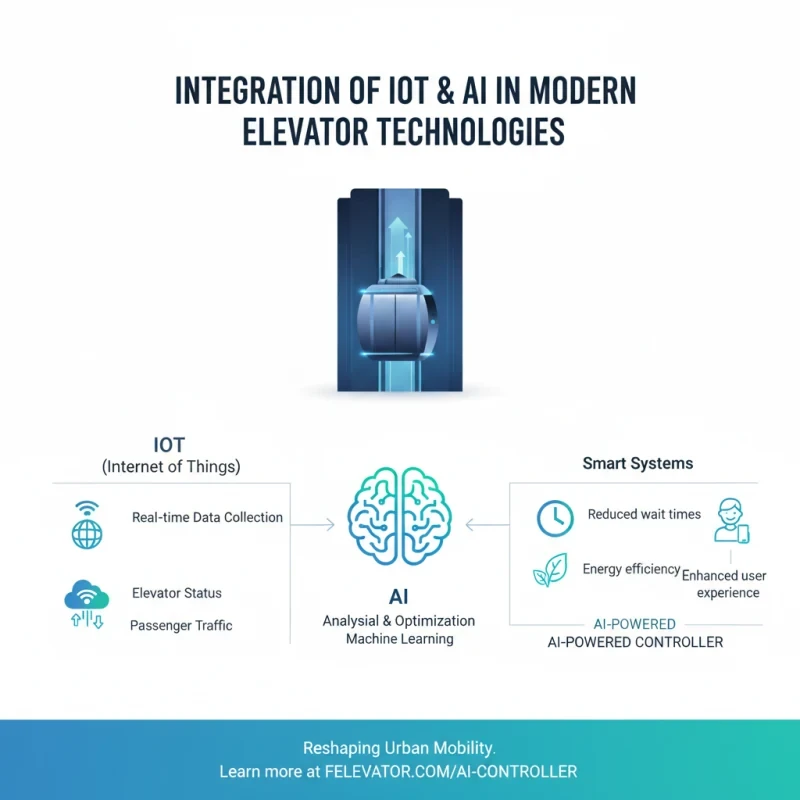
The integration of IoT and AI in modern elevator technologies is reshaping urban mobility. Elevators are no longer just transportation devices. They have become smart systems that enhance user experience. High-Quality Ai-Powered Elevator Controllers leverage real-time data. They analyze passenger patterns and optimize routes. This technology reduces wait times and improves energy efficiency.
Sensors and connectivity play crucial roles in this modern approach. IoT devices monitor elevator performance and provide critical data. They identify potential issues before they escalate. Predictive maintenance is a game-changer, saving costs and ensuring safety. However, the reliance on technology raises questions. What happens if the system fails? Regular updates and backups are essential.
User interface design also needs attention. The experience should be intuitive and user-friendly. Complicated systems can confuse passengers. Solutions must remain accessible to all demographics. Ensuring reliability while embracing innovation requires constant reflection. Striking this balance is key to successful implementation in the future.
Impact of AI on Energy Consumption in Elevator Operations
The integration of AI technology in elevator systems is transforming operational efficiency and energy consumption. AI-driven controllers optimize routes, significantly reducing waiting times. This advancement leads to decreased energy usage during peak periods. However, relying on algorithms may overlook the unique factors of different buildings. For instance, passenger behavior cannot always be predicted accurately.
Energy consumption can be lowered through smart load management. AI can assess real-time demand and adjust operations accordingly. This helps balance energy use across the day. Yet, a potential drawback exists. Over-optimization could lead to wear and tear on components. Finding the right balance is crucial.
The real-world application of these innovations demonstrates both promise and challenges. Though AI can enhance efficiency, a one-size-fits-all approach is inadequate. Each facility has specific needs that AI must accommodate. Continued refinement will be necessary to ensure that operational improvements do not compromise safety and longevity.
Case Studies: Leading Manufacturers in AI Elevator Controller Innovations
In the rapidly evolving field of elevator technology, AI-powered controllers are changing the way we think about vertical transportation. Leading manufacturers are integrating advanced algorithms that enhance efficiency and user experience. Machine learning enables these systems to predict traffic patterns, optimizing the flow of people in busy buildings.
One prominent innovation involves adaptive learning. This technology allows the elevator to adjust its operation based on real-time usage data. For instance, in a high-rise office building, the system learns peak usage times and automatically prioritizes service for the most popular floors. However, even with such advancements, challenges remain. Some systems may struggle with unusual traffic patterns or unanticipated events.
Another intriguing case is the use of IoT connectivity. Smart features enable remote monitoring and predictive maintenance, reducing downtime significantly. Despite these benefits, issues persist with cybersecurity risks and data privacy. Manufacturers must address these vulnerabilities to gain user trust fully. Balancing innovation with reliability remains a key focus as the industry continues to advance.
Future Predictions: AI and the Evolution of Elevators Beyond 2026
As we look towards 2026 and beyond, the role of AI in elevator technology promises transformative changes. AI-powered elevator controller companies are already developing systems that adapt to user patterns. These controllers optimize routes, saving time and energy. Imagine a future where elevators can predict peak usage times based on historical data. Such innovations would minimize wait times and enhance user experience.
Yet, the journey towards seamless AI integration is complex. Not all systems currently operate flawlessly. Some may struggle with unusual patterns, leading to inefficiencies. The challenge lies in continuously refining these algorithms. Developers need to rethink user data strategies and ensure reliability. Furthermore, balance must be achieved between technology and user interaction.
Beyond functionality, ethical considerations come into play. How much data do these systems need? Can they ensure privacy while optimizing services? Reflecting on these questions is crucial as AI evolves in our daily lives. Future advancements should prioritize user trust as much as efficiency. The evolution of AI-powered elevators holds great potential, but thoughtful execution is key.
2026 AI-Powered Elevator Controller Innovations
| Innovation Areas | Innovation Impact Score (1-10) |
|---|---|
| Smart Sensors | 9 |
| Predictive Maintenance | 8 |
| Energy Efficiency | 7 |
| User Interfaces | 6 |
| AI Routing | 9 |
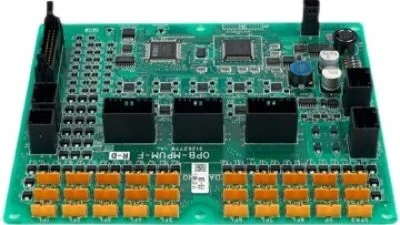
Exploring the Benefits and Features of OPB-MPUM-F Communication Board for Hitachi Elevator Parts
The OPB-MPUM-F Communication Board stands out as a crucial component for enhancing the functionality of elevator systems. This board facilitates seamless communication between various parts, ensuring that the system operates efficiently and reliably. Its advanced features enable it to manage data transfer effectively, reducing the potential for errors during operation. By establishing robust connections within the elevator mechanism, the OPB-MPUM-F plays a vital role in promoting safety and performance.
One of the primary benefits of the OPB-MPUM-F Communication Board is its compatibility with a range of elevator components. This flexibility allows for easy integration into different configurations, making it an ideal choice for both new installations and retrofits. Furthermore, the board is designed to withstand harsh operating conditions, ensuring longevity and minimal maintenance requirements. Its user-friendly interface simplifies troubleshooting and enhances the overall user experience, making communication across the entire system more intuitive and precise.
Incorporating the OPB-MPUM-F into an elevator system not only improves operational communication but also contributes to the overall efficiency of the machinery. With its ability to reliably transmit information, this communication board supports the enhanced performance of elevator systems, allowing for smoother and more responsive service. By leveraging its features, operators can ensure their elevator systems meet the demands of modern infrastructure while prioritizing safety and reliability.
FAQS
I-powered elevator controllers?
They analyze data to reduce wait times and enhance energy efficiency in building transportation systems.
Predictive maintenance forecasts potential failures to minimize downtime and alerts operators before issues arise.
Users may worry about the data collected, emphasizing the need for strong data protection measures.
Yes, they may struggle, causing delays. Continuous learning is necessary to improve performance in peak times.
They detect irregularities and respond to emergencies, but false alarms can create unnecessary panic among users.
An intuitive design is crucial; complicated systems can confuse users and hinder their experience.
Regular updates and contingency plans are essential to address potential system failures effectively.
Insights from engineers and users are vital for ongoing enhancements and addressing challenges in technology.
Constant reflection is needed to ensure that advancements in technology do not compromise user trust and safety.
Conclusion
The article explores the innovations surrounding Ai-Powered Elevator Controllers, highlighting how these technologies are transforming the elevator industry from 2021 to 2026. It outlines the significant market trends contributing to the growth of AI in elevator systems, emphasizing key features that enhance efficiency and safety. The integration of IoT with AI in modern elevator technologies is discussed, showcasing how these advancements contribute to smarter operations and improved user experiences.
Furthermore, the impact of AI on energy consumption is examined, revealing the potential for sustainable elevator operations. The article also features case studies of leading manufacturers pioneering innovations in Ai-Powered Elevator Controllers, providing insights into real-world applications. Finally, it offers predictions on the future evolution of elevators beyond 2026, suggesting a continuous trend towards increased automation and intelligence in elevator management systems.
Related Posts
-
Unlocking Efficiency: A Comparative Analysis of Ai-Powered Elevator Controllers vs. Traditional Systems
-
2026 How to Optimize Elevator Controls Corp for Efficiency?
-
Understanding Elevator Switch Technology: Enhancing Safety and Efficiency in Modern Lifts
-

Top 10 Elevator Control Panel Manufacturers from China at the 137th Canton Fair
-
Elevator Protection Pads Essential Features and Benefits for Safe Transportation of Goods
-
How to Choose the Famous Best Elevator Components Company for Your Needs?