By 2026, the world of elevator service is really about to go through some pretty big changes. As technology keeps moving forward, new trends are popping up that totally change how we think about moving people and goods vertically. Nowadays, customers aren’t just looking for things to work reliably—they also want innovative, cutting-edge experiences. So, companies really need to step up their game if they want to stay competitive.
One of the biggest shifts is the push toward smart technology. Predictive maintenance, for example, can make elevators safer and more efficient. Building owners will definitely see the perks—less downtime, smoother operations—you name it. But, honestly, transitioning from old-school methods to these fancy new systems isn’t always easy; it’s a bit of a challenge to switch gears.
And let’s not forget about sustainability. More and more, elevator companies are looking into eco-friendly options. Using energy-saving systems doesn’t just cut costs in the long run—it also boosts their reputation. Still, there’s a bit of a balancing act here, trying to keep costs down while doing right by the environment. All in all, this evolving scene needs constant reflection and a readiness to adapt if we want to meet what the future holds.
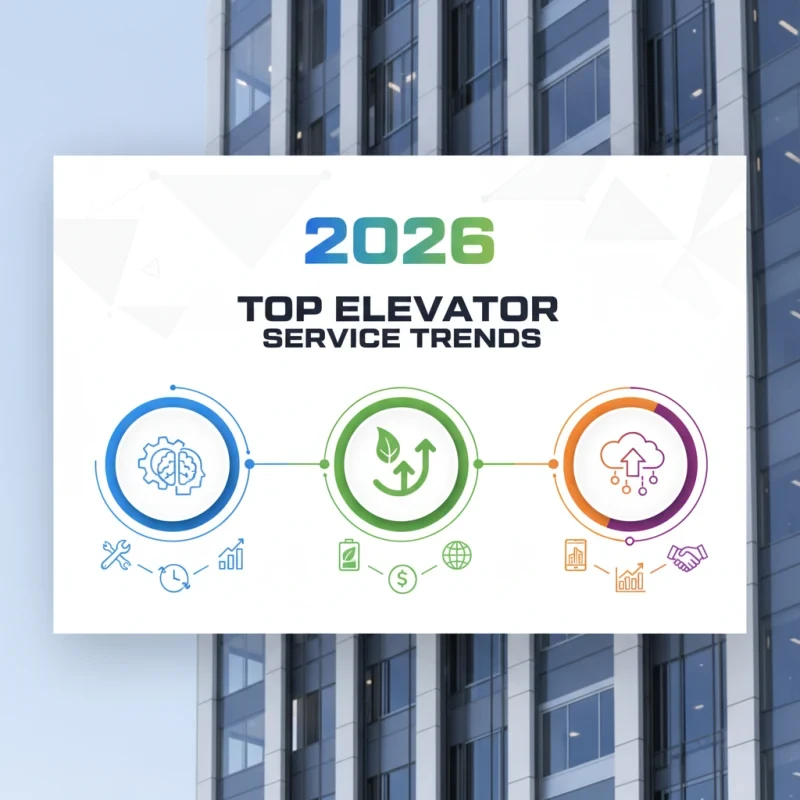
2026 Elevator Service Trends: An Overview of Emerging Technologies
As we move closer to 2026, the elevator service industry is poised for significant changes. Emerging technologies are reshaping maintenance practices and user experience. IoT and AI are now essential tools. They allow for predictive maintenance, which reduces downtime. However, integrating these technologies requires investment and training. Not all companies are ready for this shift.
Smart elevators are becoming commonplace. These systems learn user patterns to improve efficiency. They can adjust the speed and direction based on demand. Yet, they also raise concerns about privacy and data security. How do we balance innovation with personal privacy? This challenge requires careful thought and action.
Remote monitoring is another trend set to rise. Technicians can diagnose issues in real time. This means faster response times and less disruption. Still, reliance on technology can lead to overconfidence. Human oversight remains critical in this evolving landscape. The path forward is filled with promise, but it also demands reflection.
2026 Elevator Service Trends
| Trend | Description | Implication | Technology | Adoption Rate (%) |
|---|---|---|---|---|
| Smart Elevators | Integration of IoT for real-time monitoring and control. | Enhanced efficiency and reduced downtime. | IoT, AI | 65% |
| Predictive Maintenance | Using data analytics to anticipate maintenance needs before failures occur. | Reduced maintenance costs and increased safety. | Machine Learning, Data Analytics | 72% |
| Sustainable Solutions | Implementation of energy-efficient systems and eco-friendly materials. | Lower carbon footprint and compliance with regulations. | Regenerative Drives, Eco-Friendly Materials | 70% |
| Automation and Robotics | Use of robotic systems for installation and maintenance tasks. | Increased precision and reduced labor costs. | Robotics, Automation Technology | 60% |
| Contactless Solutions | Implementation of systems that minimize physical contact. | Enhanced hygiene and user safety. | Mobile App Integration, Touchless Interfaces | 75% |
The Impact of IoT on Elevator Maintenance and Operational Efficiency
The integration of IoT in elevator maintenance is transformative. Data-driven insights enhance operational efficiency and predict potential failures. According to a 2022 industry report, predictive maintenance can reduce downtime by up to 30%. This is crucial for urban environments where elevators serve densely populated buildings.
IoT devices in elevators collect continuous data. This data helps in assessing the current condition and predicting future needs. Some experts identify that routine inspections can be reduced by half. When real-time analytics are used, service providers make informed decisions. However, the over-reliance on technology may obscure basic issues that require human intervention.
Tip: Regularly review IoT-generated reports. Ensure that your elevator maintenance team understands the technology. Training can bridge the gap between data insights and practical solutions.
As technology revolutionizes Elevator Service, it is important to keep a human touch. Not all issues can be detected through data alone. Professional insights often reveal problems that sensors miss. Embrace both data and expertise for holistic maintenance outcomes.
Predictive Analytics: Reducing Downtime in Elevator Services by 30%
Predictive analytics is transforming the elevator service industry. By leveraging data, companies can foresee potential issues and reduce downtime significantly. Research shows that predictive maintenance can lead to a reduction in downtime by up to 30%. This means elevators are operational more frequently, enhancing user satisfaction greatly.
Utilizing advanced algorithms and historical data, technicians can identify patterns. For example, data from various sources indicates that specific components within an elevator may have predictable failure rates. However, not all companies embrace this approach fully. Some still rely on reactive maintenance strategies, missing opportunities for optimization.
Furthermore, adopting predictive analytics isn't without challenges. It requires investment in technology and training. As the industry evolves, ensuring staff are equipped with the right skills is vital. Nonetheless, those that integrate predictive maintenance will likely rank among the Best Elevator Service providers. They will minimize service disruptions and improve reliability.
Sustainability in Elevator Design: Meeting Eco-Friendly Standards
Sustainability in elevator design is becoming essential. As urban environments grow, so does the need for eco-friendly solutions. Modern elevators must minimize energy consumption and reduce their carbon footprints. Designers focus on materials that are renewable and recyclable. This approach creates a less harmful impact on the environment.
The integration of smart technology is a key trend. Smart systems optimize energy use based on demand. For example, regenerative drives capture energy when elevators descend. This energy can then power other building systems. Furthermore, the use of LED lighting in elevator cabins helps to save energy. Both these innovations are steps toward meeting eco-friendly standards.
However, challenges remain. Many designs still rely on non-renewable materials. Additionally, some older inventions lack the efficiency of their modern counterparts. Upgrading existing elevators to meet these standards is often expensive and time-consuming. Yet, the pursuit of sustainability continues to push the boundaries in elevator design. Addressing these issues is crucial for future developments in the industry.
Smart Elevators: Enhancing User Experience with Custom Features
Smart elevators are revolutionizing urban transportation. These advanced systems empower users with customized features designed to enhance their experience. By integrating technology, elevators can adapt to individual preferences, creating a more personal journey for each rider.
Custom features can include personalized lighting and music played during rides. Some systems even offer touchless controls, which promote hygiene. This technology reduces wait times by learning user patterns. However, the challenge lies in ensuring these systems remain user-friendly. Not everyone is tech-savvy. Making the interface intuitive is crucial for wider adoption.
Additionally, while harnessing data for a personalized experience is beneficial, privacy concerns arise. Users may hesitate to share their preferences or habits. Balancing innovation with security is essential. Addressing these concerns fosters trust and encourages more people to embrace smart elevators in their daily lives.
The Role of AI in Elevating Safety Protocols and Compliance Standards
The integration of AI in elevator service is transforming safety protocols and compliance standards. By analyzing data in real time, AI systems can detect potential hazards. This increased vigilance enhances maintenance efficiency. Traditional methods often missed crucial signals. AI ensures a more proactive approach to safety in vertical transportation.
Tips for maximizing safety include regular inspections backed by AI analytics. Monitor elevator performance metrics closely. Train personnel on using AI systems effectively. Emphasize the importance of immediate reporting. When safety concerns arise, prompt action is essential. The use of AI can reveal patterns that may go unnoticed. This ongoing vigilance elevates compliance standards.
Encouraging a culture of safety can improve service quality. The human element is still crucial. AI can provide insights, but staff need to apply this knowledge. Engage your team regularly on safety discussions. Encourage feedback on current protocols. Fostering a proactive mindset helps promote the Best Service Elevator experience. AI can serve as a powerful tool, but it requires human oversight. Balancing technology with personal input will lead to the best outcomes.
2026 AI Integration in Elevator Safety Protocols
| Safety Protocols | Implementation Impact Score (1-10) |
|---|---|
| AI Monitoring | 8 |
| Predictive Maintenance | 7 |
| Automated Inspections | 9 |
| Data Analytics | 6 |
| User Training | 5 |
Market Growth Predictions: The Global Elevator Service Industry by 2026
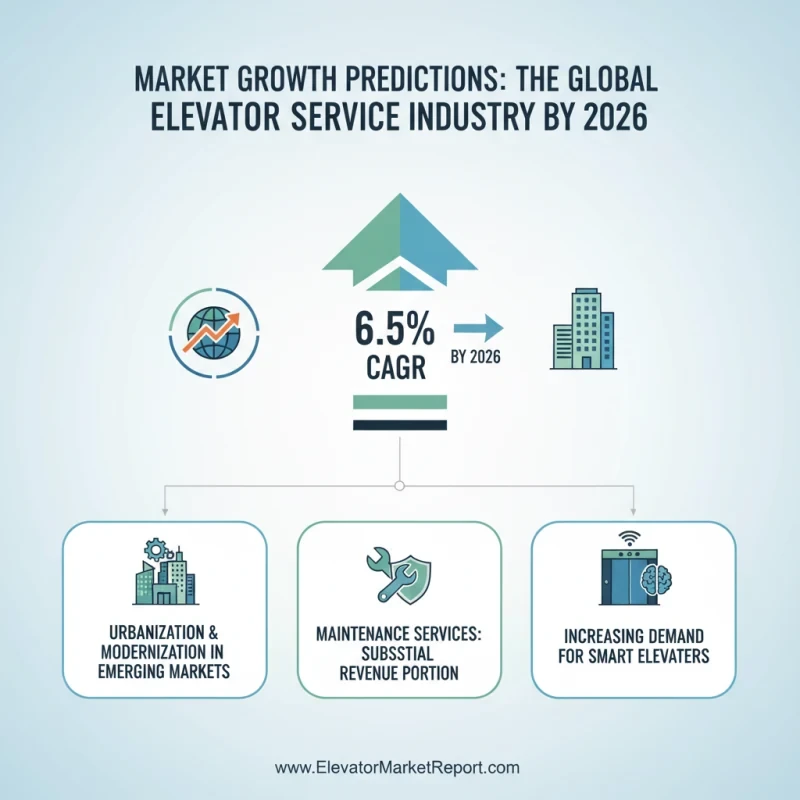
The global elevator service industry is on the brink of significant growth. By 2026, market predictions indicate a compound annual growth rate (CAGR) of 6.5%. This growth is driven by urbanization and modernization in emerging markets. Maintenance services are expected to account for a substantial portion of revenues. The increasing demand for smart elevators further influences these trends.
According to industry reports, the Asia-Pacific region will experience the highest growth. Rapid urban development in cities promotes the installation of new elevators. However, existing infrastructures often lack adequate service ceilings, posing challenges for modernization. The industry must address these obstacles to maintain steady growth. Data shows that almost 30% of existing systems require upgrades or replacements by 2026.
Unique services, such as those offered by service providers addressing specific needs, are essential. The rise of smart technology in the elevator industry is reshaping standard practices. However, many companies still struggle to integrate these solutions effectively. A Famous Service Elevator is not just one that functions well; it must also adapt to technological advances and user experiences. This adaptability is crucial as consumer expectations evolve.
Comprehensive Guide to Elevator Access Control Board: Enhancing Safety and Efficiency in Lift Operations
Elevator access control systems play a crucial role in enhancing both safety and efficiency in Lift operations. By effectively managing who can access specific floors or restricted areas, these systems ensure that only authorized personnel can use the elevator, thereby preventing unauthorized access and potential security breaches. This is particularly vital in commercial and residential buildings where sensitive areas, such as server rooms or executive offices, require heightened security measures.
Integrating advanced technology into elevator access control boards boosts operational efficiency. Modern systems typically incorporate key card readers, biometric scanners, or mobile access solutions, allowing for quick and seamless entry for users. Such innovations not only streamline the flow of building occupants but also minimize wait times during peak hours. Moreover, many contemporary systems offer real-time monitoring and reporting capabilities, providing building managers with valuable insights into usage patterns and potential maintenance needs, further contributing to the overall efficiency of lift operations.
The implementation of an effective access control system does not solely focus on limiting access; it enhances the user experience by creating a more secure and responsive environment. By investing in high-quality elevator access control boards, building owners can ensure the safety of their occupants while optimizing lift performance, thus fostering a more productive and secure living or working space.

FAQS
: Sustainability minimizes energy use and reduces carbon footprints in urban settings.
Designers focus on renewable and recyclable materials to lessen environmental impact.
Smart systems optimize energy based on usage and capture energy during descents.
Many older elevators are inefficient, and upgrades can be costly and time-consuming.
AI analyzes data to detect hazards and improve maintenance efficiency in real-time.
Conduct regular inspections, monitor performance, and train staff effectively.
Engage the team in discussions, gather feedback, and emphasize the importance of reporting.
The industry anticipates a compound annual growth rate of 6.5%.
The Asia-Pacific region will likely experience the highest growth due to urban development.
Adapting to technological advances and evolving consumer expectations is crucial for success.
Conclusion
The article "2026 Top Elevator Service Trends You Need to Know" discusses significant advancements in elevator service that are set to reshape the industry by 2026. It highlights the emergence of technologies such as IoT, which enhances maintenance and operational efficiency, as well as predictive analytics that can reduce downtime by up to 30%. Sustainability is also emphasized, with new designs focusing on eco-friendly standards, while smart elevators are being developed to improve user experience through customizable features.
Additionally, the integration of AI is transforming safety protocols and compliance standards, ensuring a higher level of security for users. With these innovative trends, the global elevator service industry is expected to experience substantial growth, reflecting a shift towards more intelligent, efficient, and sustainable solutions in vertical transportation.
Related Posts
-
Global Trade Reshaped by Best Elevator Controls Corp Unmatched Quality in Chinese Manufacturing
-
7 Essential Tips for Choosing the Best Elevator Repair Service Worldwide
-
Top Elevator Repair Trends to Watch in 2025: What You Need to Know
-
2026 Top Tips for Elevator Repair Services You Need to Know?
-
2026 Top Elevator Repair Solutions for Global Buyers?
-
2026 How to Choose the Best Elevator Controls Corp Solutions?