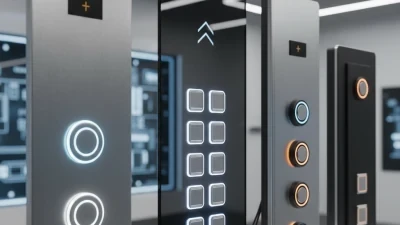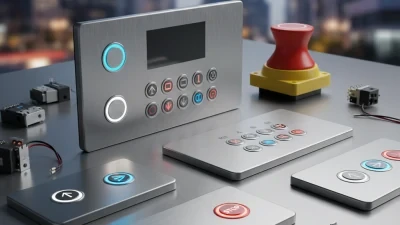
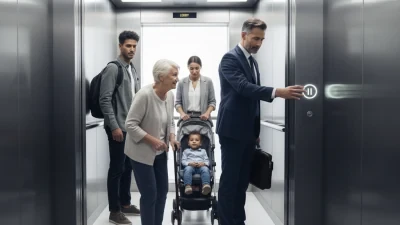
Operating an elevator safely isn’t just about pressing buttons — it’s all about paying attention to the details. Take theElevator Switch for example. This little gadget is actually pretty important because, when used properly, it helps passengers get in and out smoothly. But if someone doesn’t use it right, accidents could happen — nobody wants that, right?
Now, have you ever noticed how sometimes the Elevator Switch isn’t exactly in the most convenient spot? In some elevator models, it can be a bit tricky to find, which isn’t ideal — especially if you’re in a rush or in an emergency situation. To avoid confusion, a little regular training or reminders on how to use it can really make a difference. Just staying alert is key.
And let’s not forget about routine checks. Over time, these switches can wear out or malfunction if they’re not maintained properly. Ignoring this kind of maintenance might seem like a small thing at first, but it could cause bigger problems down the line. So, it’s super important for companies to prioritize safety features like the Elevator Switch — keeping everyone safe should always come first.
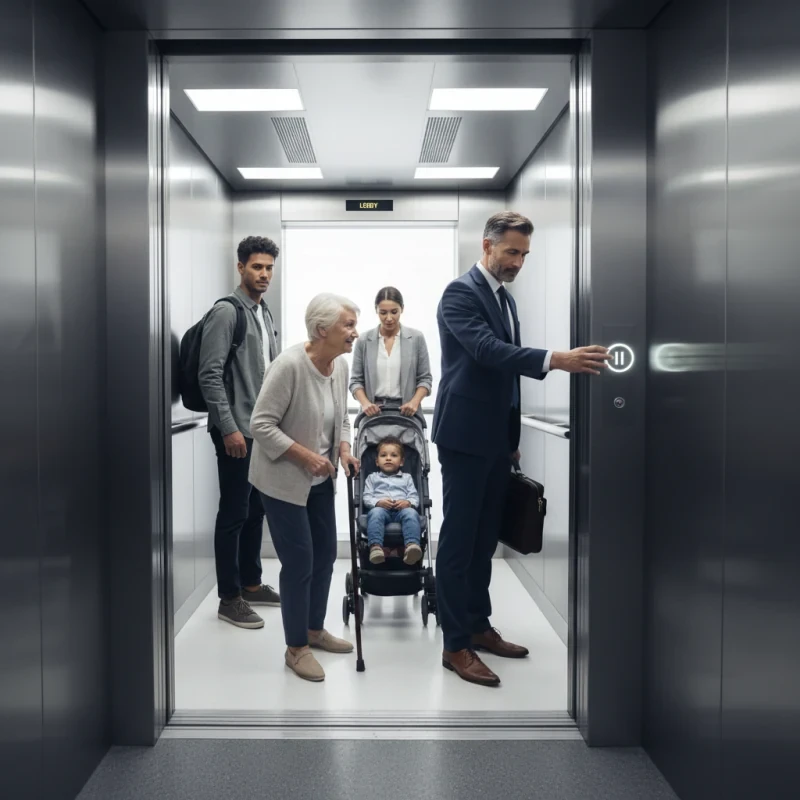
Understanding Elevator Switch Types and Their Functions
Elevators rely on a variety of switches to ensure safe and efficient operation. Understanding these types helps enhance safety protocols. Commonly, you will encounter the Elevator Disconnect Switch, a crucial component that can halt elevator operation during maintenance. This switch acts as a literal lifeline, preventing accidental movements.
In recent studies, it was noted that improper handling of elevator switches contributes to nearly 20% of elevator accidents. The types of switches include door switches, emergency stop switches, and limit switches. Each serves a unique function. For instance, door switches ensure elevators only move when doors are securely shut. This helps prevent dangerous situations.
Safety Standards for Elevator Switch Operation
When operating an elevator, safety standards are crucial. Elevator operators must be aware of the Elevator Access Key Switch's function. This switch allows only authorized personnel to control the elevator. Misuse can cause serious harm. Regular training can help prevent accidents.
Properly maintaining the elevator access key switch is essential. Inspections should be routine to ensure everything functions correctly. Sometimes, the switch may fail. This could lead to unexpected stoppages. Operators need to be prepared for such situations, understanding how to react swiftly and safely.
Clear signage near the elevator is important. It should convey proper usage and safety protocols. Inexperienced users might not fully grasp the function of the elevator access key switch. Educating everyone about the risks involved can foster a safer environment. Frequent reminders about these standards are often overlooked, yet they are necessary for safe operation. Regular reflections on operational practices can make a significant difference.
Step-by-Step Guide to Using Elevator Switches Correctly
Using an elevator switch correctly is vital for safe operation. The Elevator Door Switch plays a crucial role in this process. When the switch is activated, it ensures that the doors fully close before the elevator moves. This safety feature can prevent accidents and injuries. According to a report by the National Elevator Industry, over 20% of elevator incidents are due to door-related malfunctions. Proper usage of the switch can significantly reduce this risk.
Follow a few simple guidelines for effective operation. Always check the indicator light on the Elevator Door Switch. A green light usually signals that the doors are secure. If it’s red, the doors may not be fully closed. Press the switch firmly to activate it. Some users may mistakenly think a gentle tap is enough. This often leads to miscommunication with the elevator system. A study by the American Society of Elevator Engineers highlights that improper use of the switch is a common error among users.
Remember, the Elevator Door Switch is not just a button. It’s a safety mechanism that requires attention. Overconfidence can lead to mistakes. If the switch seems unresponsive, avoid repeatedly pressing it. Instead, notify a professional for assistance. Such delays are better than risking safety. Moreover, not using the switch correctly can lead to unnecessary delays in service, affecting overall building efficiency. Prioritizing proper usage will enhance safety for everyone.
Common Mistakes to Avoid When Operating Elevator Switches
When it comes to operating elevator switches, awareness of common mistakes is vital for safety. Many users forget to check the load capacity displayed on the elevator. Reports indicate that overloading remains a leading cause of elevator failures, accounting for around 25% of incidents. Ignoring this simple guideline can lead to serious malfunctions.
Another frequent error involves rapid pressing of the buttons. Some users think repeated presses will speed up the process. However, this only adds confusion to the system. According to data from elevator safety studies, this habit can create delays and affect the response time of the elevator, potentially leading to dangerous situations.
Moreover, users often neglect regular maintenance checks on the elevator switches. A survey from the International Elevator and Escalator Industry indicates that lack of maintenance is a factor in 40% of elevator-related accidents. Ensuring proper upkeep of the elevator system and its components is a crucial responsibility that should not be overlooked. Always be mindful of these practices to enhance safety during elevator operation.
Maintenance Tips for Elevator Switch Safety Features
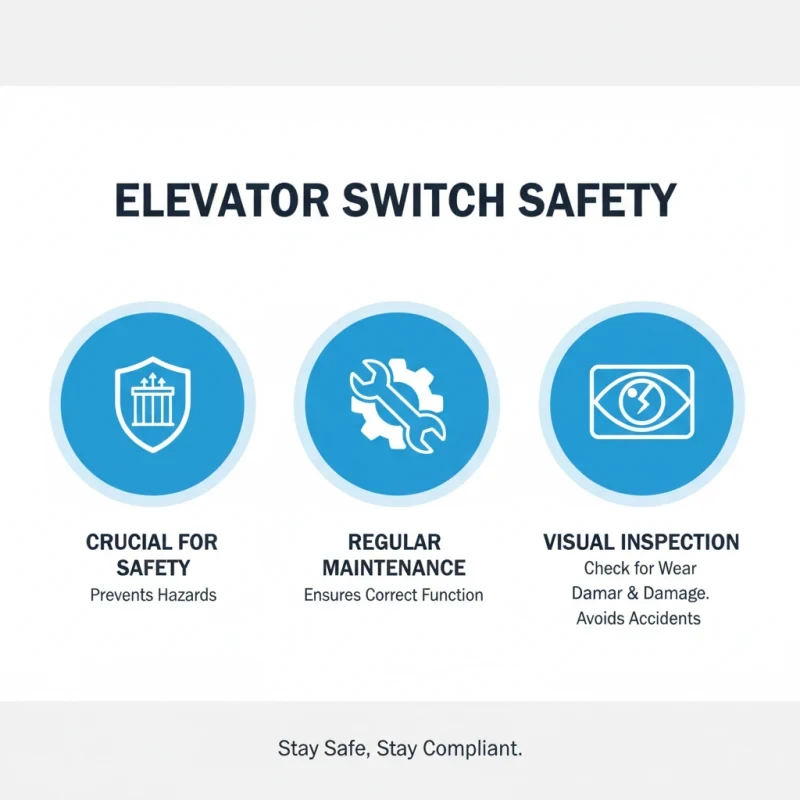
Elevator switches are crucial for safe operation. Regular maintenance ensures they function correctly, reducing potential hazards. Checking the switch for any wear and tear can prevent accidents. Look for signs of damage like cracks or loose fittings. A simple visual inspection can make a big difference.
Cleaning the switch is also important. Dust and grime can accumulate, leading to operational issues. Use a soft, dry cloth to wipe it down. This avoids any buildup that may interfere with its function. Remember, safety features only work if they're kept clean and well-maintained.
Evaluate the switch regularly. If it feels sticky or unresponsive, it might need professional attention. A technician can provide a thorough check. Being proactive can prevent larger problems in the future. Stay alert and attentive to how the switch operates daily. Safety should always be a priority.
Emergency Procedures Involving Elevator Switches
In the event of an emergency, knowing how to use an Elevator Emergency Stop Switch is crucial. This switch allows operators to halt the elevator instantly, providing passengers with a secure escape route. According to a report from the Elevator Safety Association, nearly 33% of accidents occur due to power failures or mechanical malfunctions. This highlights the importance of emergency procedures and how they can save lives.
When an elevator stops unexpectedly, passengers may panic. It’s vital to reassure them and encourage calmness. Using the Elevator Emergency Stop Switch should be a last resort, activated only when it's absolutely necessary. Industry data shows that a staggering 57% of elevator incidents could be prevented with proper training. Personnel should become familiar with the switch's location and function. Regular drills can improve reaction times during actual emergencies, making a significant difference.
Often, there’s a tendency to overlook safety protocols. For instance, not all staff members may know how to use the elevator's emergency systems effectively. Neglecting regular safety evaluations can lead to tragedies. Training programs must emphasize the importance of understanding and respecting the Elevator Emergency Stop Switch. Recognizing that preparedness can minimize chaos is essential for any facility using elevator systems.
Training and Certification Requirements for Elevator Switch Operators
Elevator switch operators play a crucial role in ensuring safe elevator operations. Training for these operators is essential. Typically, they must complete a course that covers equipment mechanics, safety protocols, and emergency procedures. This training often includes hands-on sessions. Real-life scenarios can enhance understanding. Operators need to grasp both basic and advanced operational skills.
Certification requirements can vary. Many countries require operators to pass a comprehensive examination. This exam typically tests theoretical knowledge and practical skills. Operators are encouraged to stay updated on current safety regulations. Continuous education is essential to address evolving technologies. Reflection on past experiences helps refine their skills.
Mistakes can happen, even with trained personnel. Some operators may overlook minor details during operation. These small oversights can lead to significant issues. Regular training refreshers can help mitigate this risk. Operators should always review safety procedures before starting their shifts. It is vital to remain vigilant and proactive in learning.
How to Use an Elevator Switch for Safe Operation? - Training and Certification Requirements for Elevator Switch Operators
| Dimension | Details |
|---|---|
| Switch Type | Electrical, Mechanical |
| Training Duration | 24 hours |
| Certification Requirement | Yes, valid for 3 years |
| Safety Protocols | Regular inspections, Emergency stop tests |
| Operator Age Requirement | 18 years and above |
| Common Hazards | Electrical shock, Mechanical failure |
| PPE Requirements | Gloves, Safety glasses, Steel-toe boots |
| Recertification Frequency | Every 3 years |
Enhancing Communication and Uplifting Efficiency: A Deep Dive into Car Intercoms and Hitachi Elevator Accessories
In today’s fast-paced world, effective communication and enhanced efficiency are paramount, especially in environments like automotive and elevator systems. The integration of car Intercoms has revolutionized the way we communicate within vehicles, facilitating seamless conversations between passengers and drivers. With features tailored to improve interaction, these intercom systems eliminate the distractions caused by background noise and allow for clear audio transmission. This innovation not only enhances the driving experience but also contributes to passenger safety by fostering better communication.
Furthermore, the importance of elevating operational effectiveness extends to vertical transport systems. Accessories that improve the functionality of elevators, such as those facilitating communication and control within the car, play a crucial role in ensuring smooth operations. Consider products like DJ-BB-6 and DJ-BB-12; these intercom systems are available in different power options, catering to diverse needs across various applications. Their versatility ensures that whether in cars or high-rise buildings, the imperative of clear communication unlocks efficiency and boosts productivity for all users, making them indispensable in modern design.
FAQS
: The product aims to improve daily convenience and enhance user experience in various tasks.
Simply follow the instructions in the manual. It's straightforward. Practice makes perfect.
Regular cleaning is recommended. Check parts occasionally for wear. Issues may arise if neglected.
Yes, but consider weather conditions. Exposure to extreme elements might cause wear over time.
Try troubleshooting per the guide. If unresolved, consult customer support for further assistance.
Lifespan varies with use and care. Users often see good durability, but results may differ.
It is generally safe, but adult supervision is recommended. Risks increase without oversight.
Some components may wear out. Keep an eye on them. Regular checks can prevent surprises.
Yes, a return policy is available. Ensure it’s within the specified timeframe for a full refund.
You can often find digital copies online. Reach out if you need help locating it.
Conclusion
The article "How to Use an Elevator Switch for Safe Operation?" provides a comprehensive overview of elevator switches, detailing their various types and essential functions. Understanding the specific functionality of different elevator switches is crucial for ensuring safety in operation. The article thoroughly discusses safety standards that govern elevator switch operations, alongside a step-by-step guide to using these switches correctly to mitigate risks.
Additionally, the article highlights common mistakes operators may make while handling elevator switches, emphasizes the importance of proper maintenance for safety features, and outlines necessary emergency procedures. Lastly, it underscores the significance of training and certification for elevator switch operators to ensure proficiency and adherence to safety protocols. Overall, proper knowledge and management of elevator switches are crucial for a safe and efficient operation.
Related Posts
-

Mastering Elevator Safety: Essential Techniques for Choosing the Best Elevator Switch
-

Top 10 Best Famous Elevator Switch Companies You Should Know?
-

Future Innovations in Elevator Button Panels: Trends to Watch in 2025
-

Discover the Next Generation of Elevator Switches for Enhanced Safety and Efficiency
-

Future Market Trends for Best Elevator Switches in 2025 and Beyond
-

7 Compelling Reasons to Choose the Best Elevator Switch for Your Projects