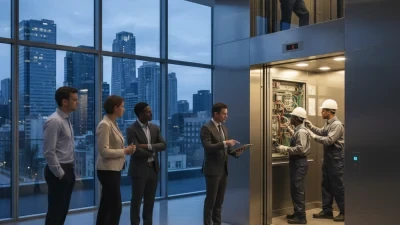
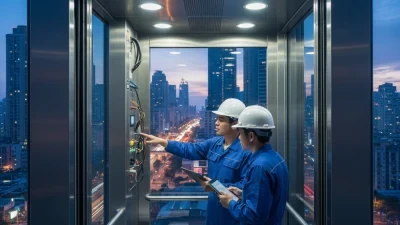
elevator systems are pretty much a backbone of modern buildings, right? Did you know there are over 900,000 elevators just in the U.S., according to the National Elevator Industry? That’s a huge number, and it really shows why regular maintenance is so important. When we talk aboutElevator Repair, it’s not just about fixing things whenever they break down—it’s also about keeping everyone safe and the elevator running smoothly.
Skipping those routine inspections? Big mistake. It can lead to really expensive repairs and, worse, safety issues. In fact, around 34% of elevator accidents come down to poor maintenance. That's why building owners should really prioritize regular check-ups—those small tasks often get ignored but can prevent major headaches later on.
Getting a good handle on how elevator repairs work can actually save you time and money. Geeky tip: keep a maintenance log and don’t wait too long to fix minor problems. Being proactive here totally pays off. The industry keeps emphasizing that staying ahead of issues can make all the difference in how well your elevator performs—and, of course, in everyone's safety.
Understanding Common Elevator Issues
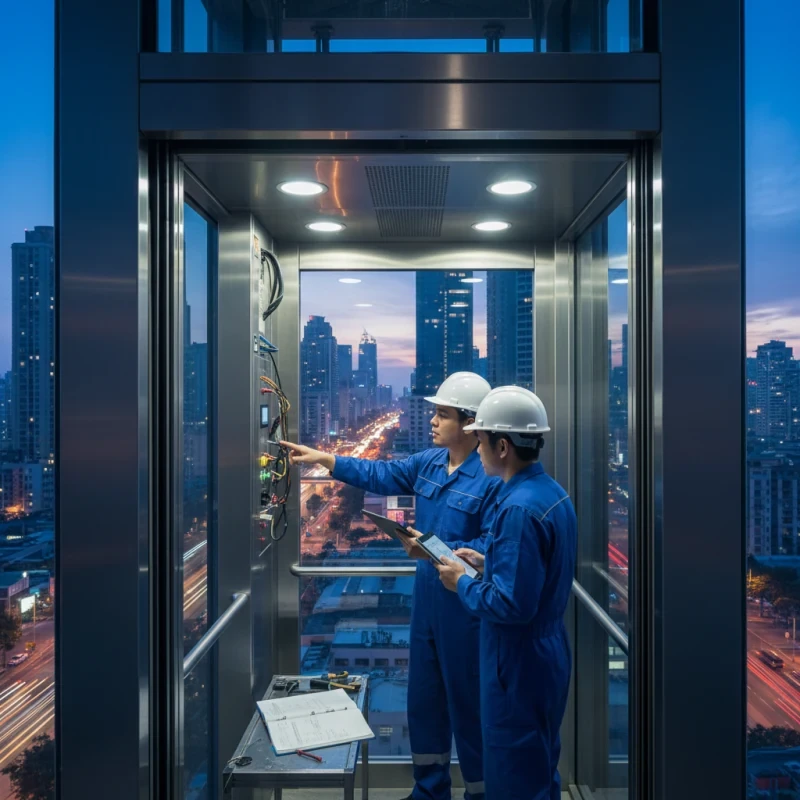
Elevators are crucial in our daily lives, yet they often encounter issues that can cause downtime and safety concerns. Understanding common elevator problems can help you act quickly and effectively. According to the National Elevator Industry, over 18% of elevator incidents stem from mechanical failures. Regular maintenance can mitigate these risks and ensure a reliable service.
When you notice unusual noises, it’s a clear sign of trouble. Often, this indicates worn-out components. Addressing these noises promptly can prevent further damage. Regular servicing helps catch potential issues early. Remember, even small sounds can signal significant problems.
Additionally, door malfunctions are frequent causes of elevator failures. Poor alignment or obstruction can cause the doors to jam or fail to open. Ensuring clean, unobstructed door tracks is essential. Regular checks can make a significant difference. Take note of recurring issues and communicate them to your technicians. This can lead to the Best Elevator Repair solutions tailored to your building's needs.
Staying vigilant and informed about these common problems fosters a safer environment. Your elevator's performance hinges on your awareness and maintenance efforts. Regular inspections will keep your systems running smoothly and prevent costly repairs down the line.
Essential Tools for Elevator Repair
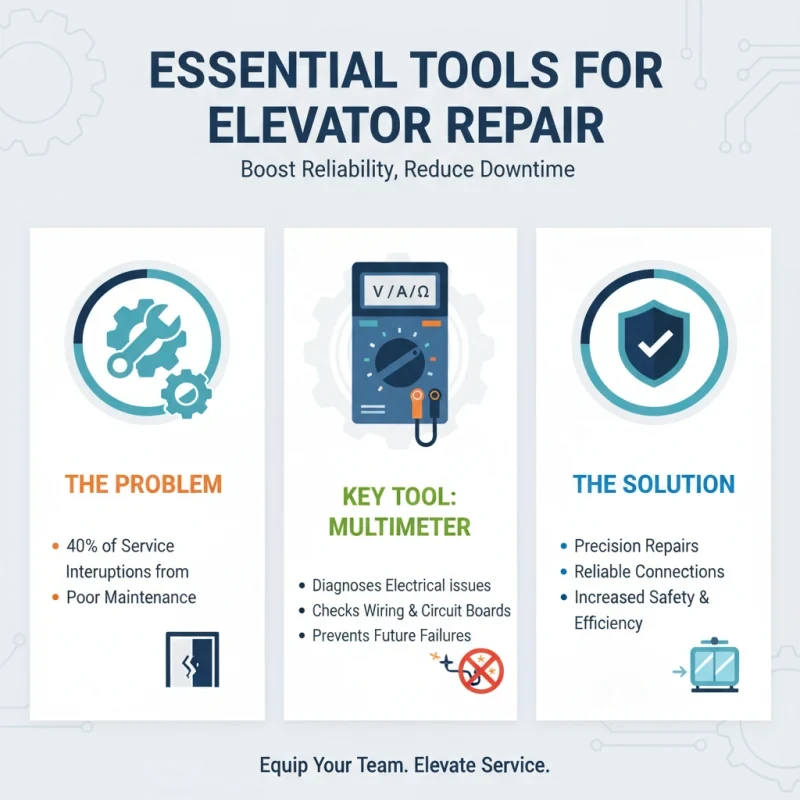
When it comes to elevator repair, having the right tools is vital. A comprehensive survey showed that nearly 40% of elevator service interruptions stem from inadequate maintenance. Essential tools can make a significant difference. For instance, a multimeter helps diagnose electrical issues. When dealing with wiring or circuit boards, precision is key. Poor connections often lead to bigger problems down the line.
Another necessary tool is a torque wrench, particularly for adjusting bolts. An estimated 30% of service calls involve loosening components. Ensuring proper tension can prevent further issues, which is critical for safety. Quality screwdrivers are also important for tasks like accessing control panels. According to industry reports, about 25% of repairs are delayed due to improper tool selection.
It’s crucial to have safety equipment as well. Personal protective gear protects technicians from potential accidents. In a 2022 report, equipment failure was cited as a common cause of workplace injuries in elevator repair. The right mix of tools and safety measures can markedly enhance repair effectiveness. The importance cannot be overstated for anyone practicing in the field, including those aspiring to the level of Famous Elevator Repair experts.
Safety Precautions Before Starting Repairs
Before starting any elevator repair, safety should be your top priority. Ensure the elevator is completely powered down. This means cutting off electricity to prevent any accidental movements. Use lockout/tagout procedures to provide a clear visual warning. Not all elevators will have a simple "off" switch, so familiarity with your system is key.
Wear appropriate personal protective equipment (PPE). Safety glasses and gloves can protect you from sharp parts. Heavy tools should be handled with caution. Assess the environment for hazards, such as water or exposed wires. A cluttered workspace increases the risk of accidents. Think through potential dangers before diving into repairs.
Another area often overlooked is ventilation. Ensure proper airflow if you’re working within an enclosed space. Fumes from tools can be harmful. Sometimes, workers rush into repairs without considering their surroundings. Reflect on if you're mentally prepared for the task. If you're feeling rushed or distracted, it may be best to postpone repairs. Safety is not just about gear; it's about mindset.
Step-by-Step Guide to Minor Elevator Repairs
Maintaining an elevator can seem daunting. However, with a few minor repairs, you can ensure consistent performance. Regular visual inspections are crucial. Look for signs of wear on cables and pulleys. Listen for unusual noises. These details often indicate underlying issues.
When the elevator doors fail to open, it can be frustrating. A simple fix is to check the power supply. Ensure the circuit breaker is not tripped. If the doors still won't function, inspect the door sensors. Often, debris can block them. Cleaning these sensors might resolve the issue.
If the elevator is not leveling correctly, it could be a misalignment. Adjusting the leveling switch could help. However, this task requires caution. If you're unsure, it may be wise to consult a professional. Minor repairs can go a long way, yet, every fix is an opportunity for learning.
Top 10 Elevator Repair Tips You Need to Know Now - Step-by-Step Guide to Minor Elevator Repairs
| Tip Number | Repair Tip | Description | Difficulty Level |
|---|---|---|---|
| 1 | Check the Power Supply | Ensure the elevator is receiving power from the main circuit. | Easy |
| 2 | Inspect the Emergency Brake | Check if the emergency brake is functioning correctly. | Medium |
| 3 | Clean the Door Sensors | Remove any dirt or debris from the door sensors. | Easy |
| 4 | Lubricate Moving Parts | Apply lubricant to the pulleys and cables to ensure smooth operation. | Medium |
| 5 | Test the Lift Functions | Make sure all buttons and functions are working properly. | Easy |
| 6 | Examine the Control Panel | Look for any error codes or faulty lights on the panel. | Medium |
| 7 | Check for Overloading Issues | Ensure the elevator isn’t exceeding its weight limit. | Easy |
| 8 | Tighten Loose Fixtures | Check and tighten any loose bolts or screws. | Medium |
| 9 | Keep Tracks Clean | Ensure tracks are free from debris to allow for smooth movement. | Easy |
| 10 | Get Professional Help | Contact an elevator technician for major repairs and regular maintenance. | Hard |
When to Call a Professional Elevator Technician
When it comes to elevator maintenance, knowing when to reach out to a professional technician is crucial. Neglecting issues can lead to expensive repairs and setbacks. According to the National Elevator Industry, about 20% of elevators experience operational failures yearly due to lack of maintenance. Regular inspections can reduce these failures by 30%. If your elevator shows signs such as unusual noises or erratic functioning, it's time to call in a specialist.
Data from the Elevator Escalator Safety Foundation suggests that over 70% of elevator accidents occur due to improper handling and delayed repairs. A High-Quality Elevator Repair service can enhance safety and extend the lifespan of your equipment. Reviews emphasize that trained technicians are adept at diagnosing problems accurately. They often use advanced technologies, ensuring repairs are done efficiently and effectively.
Think about the last time your elevator acted up. Did you wait too long to call for help? Many users fail to notice small issues until they become significant problems. If your elevator doors are slow to close or the cabin shakes during operation, these warnings shouldn't be ignored. Reaching out promptly to a professional can save you money and headaches in the future.
Routine Maintenance Tips for Elevator Longevity
Routine maintenance is crucial for ensuring the longevity of your elevator. Regular check-ups can prevent minor issues from becoming major problems. Conduct inspections at least once a month. Look for signs of wear and tear in cables and pulleys. Checking the door sensors regularly is also essential.
Cleaning is another vital aspect of elevator care. Dust and debris can accumulate in the machine room, affecting performance. Ensure that the elevator pit is free from water and foreign objects. Lubricate moving parts to minimize friction. However, avoid over-lubrication, as this can attract dust.
Monitoring elevator performance is key. Watch for unusual noises or erratic movements. These may indicate a need for immediate attention. Keeping a log of maintenance activities can help identify patterns. Reflect on past issues and learn from them. Maintaining an elevator is an ongoing process that demands attention and diligence.
Legal Regulations and Certifications for Elevator Repairs
When it comes to elevator repairs, understanding legal regulations is crucial. Each region has specific codes defining safety standards. Being compliant not only ensures safety but also protects against liability issues. Always check your local laws before proceeding. Certifications from recognized industry bodies add credibility to your repair services.
Elevator Repair Factory professionals agree on several best practices. Always perform regular inspections. This ensures any potential issues are addressed early. Keeping detailed records of maintenance activities can help track performance over time. It might seem tedious, but it’s invaluable during audits or inspections.
A common oversight is neglecting to hire certified technicians. Not every repair is straightforward. Technical expertise can make a significant difference. Relying on inexperienced labor can lead to costly accidents. Evaluate qualifications carefully before entrusting repairs to anyone.
FAQS
: Regular visual inspections are crucial. Look for signs of wear on cables and pulleys.
Check the power supply first. Make sure the circuit breaker isn't tripped.
It could be a misalignment. Adjusting the leveling switch often helps.
Conduct inspections at least once a month for optimal performance.
Clean the machine room regularly. Remove any dust and debris from the area.
Over-lubrication can attract dust. Use just enough to minimize friction.
Watch for unusual noises or erratic movements. Keep a maintenance log to spot patterns.
It prevents minor issues from escalating. Consistent care ensures longevity and reliability.
If in doubt, it's wise to consult a professional to avoid further complications.
Dust and debris buildup can hinder function. Regular cleaning ensures optimal operation.
Conclusion
Elevator repair is a vital aspect of maintaining safety and functionality in buildings with elevator systems. Understanding common elevator issues is the first step toward effective maintenance, as it can help identify problems early. Essential tools for elevator repair are necessary for carrying out minor fixes, but it's crucial to prioritize safety precautions before starting any repair work.
For those looking to tackle small repairs, a step-by-step guide can simplify the process and boost confidence. However, knowing when to call a professional technician is equally important, especially for more complex issues. Regular routine maintenance tips ensure the longevity of elevator systems, while awareness of legal regulations and certifications protects both the technician and the building's occupants. Proper adherence to these guidelines will facilitate efficient and safe elevator repair practices.
Related Posts
-
7 Essential Tips for Choosing the Best Elevator Repair Service Worldwide
-

Challenges in Ensuring High Quality Elevator Service
-

7 Essential Elevator Parts Every Global Buyer Must Know
-
Understanding Import and Export Certifications for the Best Elevator Push Button Industry
-
2026 Top Tips for Elevator Repair Services You Need to Know?
-
2026 Top Elevator Repair Solutions for Global Buyers?