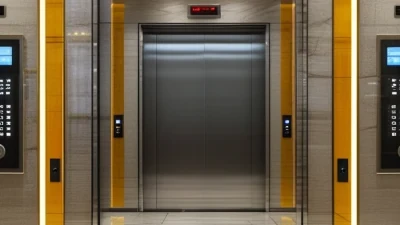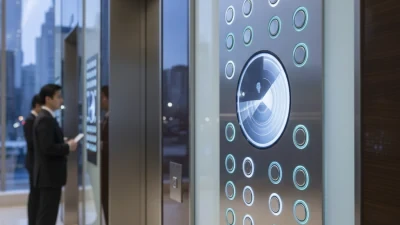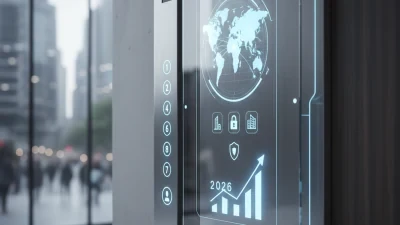
In today’s world of modern architecture, the elevator control panel has become a pretty essential part of multi-story buildings, making it easier for folks to move up and down without a hitch. As Henry Walker, who's pretty much a big-name expert in elevator tech and the Chief Engineer at Vertical Solutions, once said, “The elevator control panel isn’t just a bunch of buttons—it’s basically the brain of the whole system, keeping everything running safely and smoothly.” That really hits home, right? It shows just how important these control panels are when it comes to elevators working properly.
Getting a good handle on what these panels can do and their key features can make a real difference in how smoothly things go, plus it helps keep safety standards in check. From user-friendly interfaces to smart safety features, these panels are built to make riding between floors easy and to give you all the info you need about the elevator’s condition. In this article, we’ll run through the top 10 must-have features that a modern elevator control panel should definitely have. We’ll also check out some of the latest innovations that boost both efficiency and passenger safety.
As we go through these features, it’s pretty clear that investing in a well-designed elevator control panel is a smart move for building owners and facility managers. It not only improves the elevator’s performance but also helps give passengers peace of mind, knowing they’re in good hands with a reliable and easy-to-use system.
Key Components of Elevator Control Panels
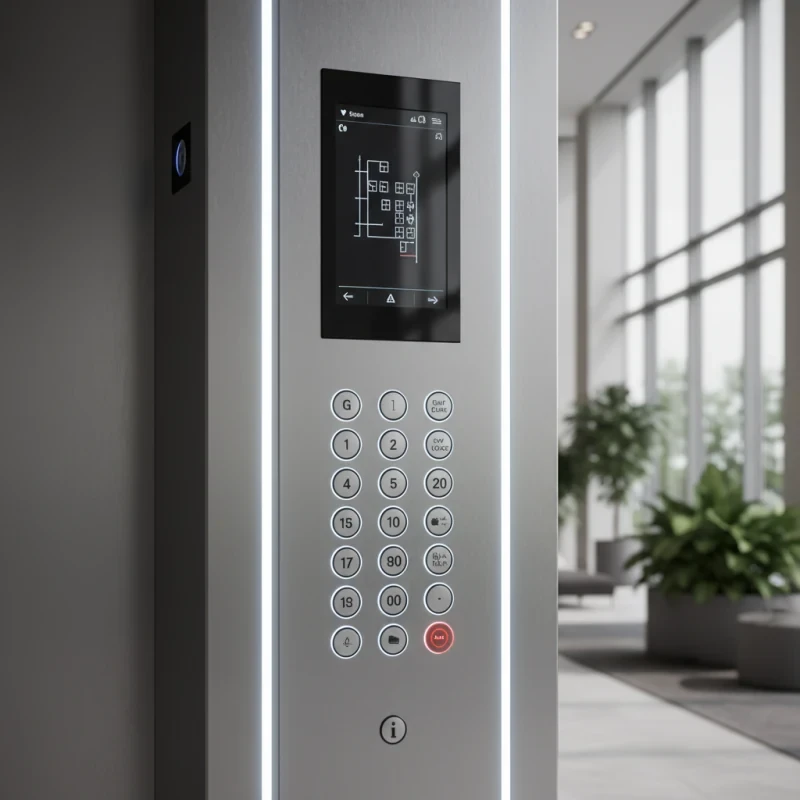
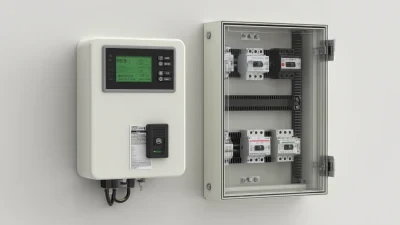
Elevator control panels are critical for managing the seamless operation of elevators in various buildings. Understanding the key components of these panels can enhance safety and improve user experience. First and foremost, the central processing unit (CPU) plays a vital role, as it interprets user commands and controls the elevator's movements accordingly. The CPU interfaces with various sensors and safety devices to ensure accurate performance and respond promptly to any irregularities.
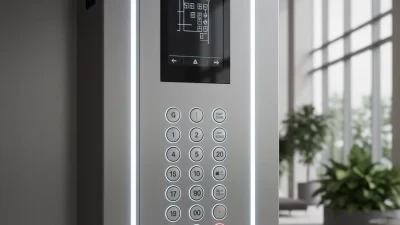
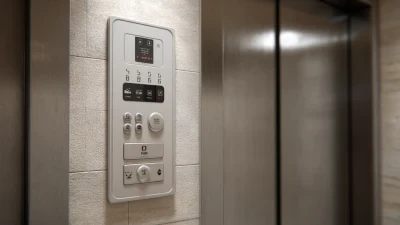
Another essential component is the control buttons, which allow passengers to select their desired floors. These buttons often include features like emergency stop and open/close door controls. Additionally, modern elevator control panels may include a digital display that provides real-time information about the elevator's status, making it easier for users to know when it will arrive.
Lastly, emergency communication systems are crucial; they enable passengers to call for help in case of an emergency, ensuring a higher level of safety and peace of mind while using the elevator. Together, these elements work cohesively to create a reliable and efficient elevator system.
Understanding the Types of Elevator Control Systems
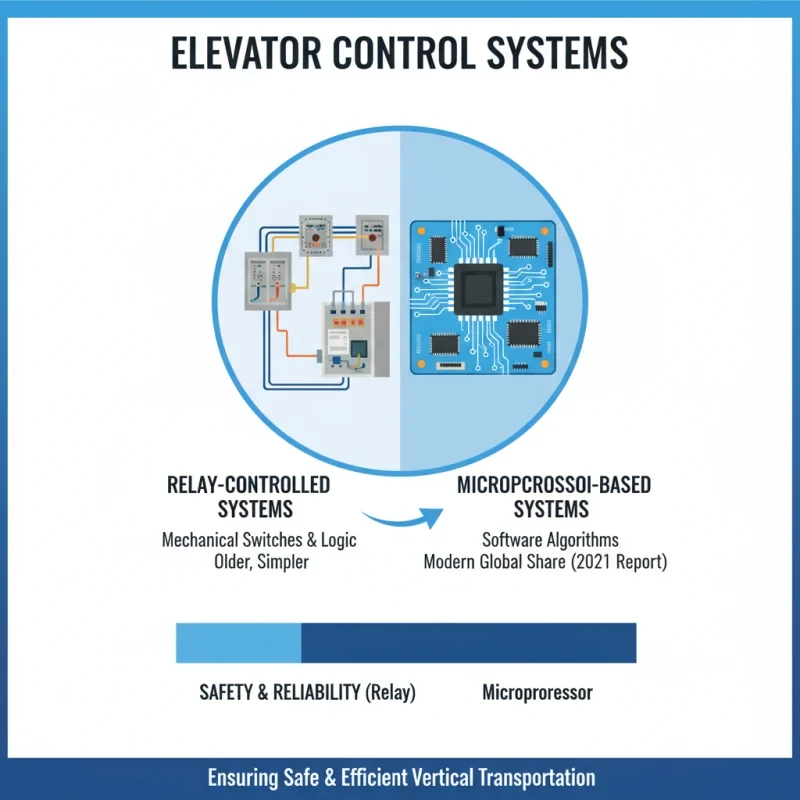
Elevator control systems play a crucial role in ensuring the safe and efficient operation of elevators in commercial and residential buildings. According to a 2021 report by the Elevator World, around 27% of all elevators installed worldwide use microprocessor-based control systems, which enhance the overall performance and reliability of vertical transportation. These systems can be categorized mainly into relay-controlled systems and more advanced microprocessor-based systems, each offering distinct functionalities that cater to specific building requirements.
Relay-controlled systems, though increasingly obsolete, remain prevalent in older buildings. They rely on electromechanical relays to perform functions, which can result in slower response times and less energy efficiency. In contrast, microprocessor-based control systems incorporate sophisticated algorithms that optimize travel routes, reduce wait times, and manage traffic flows more effectively. A comparative study published by the American Society of Civil Engineers indicated that buildings equipped with modern control systems could see a reduction in energy consumption of up to 30%, emphasizing the importance of investing in newer technologies for both economic and environmental reasons.
Understanding the distinctions between these control types is essential for architects, engineers, and building managers when planning elevator installations. As the demand for smart buildings rises, the integration of IoT technologies in elevator systems is also becoming a focal point. Future developments in elevator control systems are expected to incorporate artificial intelligence and real-time monitoring tools, substantially enhancing operational efficiency and passenger experience. The shift towards these advanced systems reflects a broader trend in the elevator industry towards more sustainable and user-friendly solutions.
The Role of Display Screens in Elevator Control
Display screens play a pivotal role in modern elevator control panels, significantly enhancing user experience and operational efficiency. These screens provide essential information at a glance, such as the current floor, direction of travel, and any relevant notifications or alerts. By integrating intuitive graphics and clear text, display screens allow passengers to easily understand their elevator's status, empowering them to make informed decisions during their ride. Additionally, they can streamline the boarding process by indicating when the elevator has arrived and which floors it serves.
Moreover, advanced display technology can offer additional functionalities, such as touch-screen interfaces that allow users to input their desired floor directly. This interactive approach reduces wait times and manages traffic flow more effectively by ensuring that passengers can quickly and easily communicate their needs. Beyond providing basic information, some display systems are capable of conveying messages related to safety protocols, maintenance updates, or emergency procedures, enhancing overall rider confidence in the elevator's operation. As elevators continue to evolve, the importance of display screens in their control panels cannot be overstated, as they are central to delivering seamless and efficient transportation solutions.
Top 10 Essential Features of an Elevator Control Panel
| Label | Importance Rating (1-10) |
|---|---|
| Display Screen | 9 |
| Button Layout | 8 |
| Emergency Controls | 7 |
| Door Controls | 8 |
| Floor Indicators | 9 |
| Voice Announcement | 6 |
| Card Reader | 5 |
| Weather Resistance | 4 |
| Data Logging | 6 |
| Touchless Controls | 7 |
This chart illustrates the most essential features of elevator control panels, highlighting the importance of display screens in their functionalities.
Essential Safety Features in Elevator Control Panels
Elevator control panels are fundamental to the safety and efficiency of vertical transportation systems. Essential safety features integrated into these panels are critical for ensuring passenger security and operational reliability. One prominent feature is the emergency stop button, which allows users to halt the elevator immediately in case of an emergency, providing a sense of control during critical situations.
Additionally, many modern panels are equipped with a communication system that enables users to connect directly to a monitoring center or emergency services, ensuring a rapid response in case of malfunction or entrapment.
Another key safety aspect is the door sensor system, which prevents the elevator doors from closing if an obstruction is detected. This feature significantly reduces the risk of injuries, particularly in crowded situations. Furthermore, the incorporation of a battery backup system ensures that the elevator can operate during power outages, facilitating safe evacuation procedures. With these essential safety features, elevator control panels not only enhance user experience but also prioritize the well-being of passengers, reflecting the industry’s commitment to safety standards and regulations.
User Interface Design for Elevator Control Panels
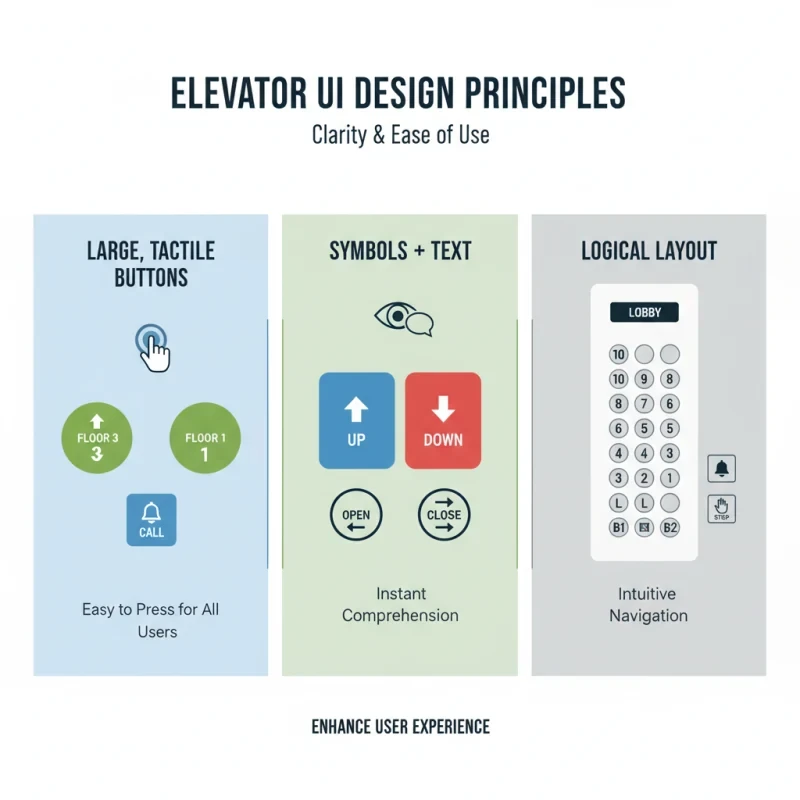
When designing user interfaces for elevator control panels, clarity and ease of use should take precedence. A well-thought-out layout can significantly enhance the user experience, ensuring passengers can intuitively navigate the control options. The buttons should be of an appropriate size and design, making them easy to identify and press, even for individuals with disabilities or those carrying large items. Utilizing symbols alongside text can further aid comprehension, allowing users to quickly understand options at a glance.
**Tips:** Consider implementing tactile feedback on buttons. This feature allows users to feel a slight vibration or resistance when pressing a button, reassuring them their selection has been registered. Additionally, a well-illuminated panel can help users in low-light conditions, making it easier for them to see and operate the controls without frustration.
Another critical aspect of user interface design is the inclusion of an emergency button or alarm. This button should be easily accessible and distinguishable from regular service buttons. Furthermore, providing multilingual support on the panel ensures inclusivity for non-native speakers, enhancing user comfort and safety. Tailoring the interface to accommodate a diverse range of passengers fosters an environment where everyone feels secure while using the elevator.
Communication Systems in Modern Elevator Controls
In recent years, communication systems in modern elevator controls have evolved significantly, enhancing the efficiency, safety, and usability of vertical transportation systems. One of the key features of these systems is their ability to provide real-time data transmission between the elevator and its control center. According to a report from the Elevator World, the integration of Internet of Things (IoT) technology into elevator systems has led to a 30% improvement in operational efficiency. This connectivity allows not only for remote monitoring and diagnostics but also for proactive maintenance, thereby reducing downtime and enhancing user experience.
Moreover, advanced communication systems facilitate enhanced user interaction. The implementation of touchless technology and smartphone integration has gained traction, especially following health concerns related to shared surfaces. Data shows that nearly 50% of new elevator installations feature touchless controls, as stated in the Global Elevator & Escalator Market report. This innovation not only improves hygiene but also appeals to the tech-savvy user demographic. Additionally, the adoption of voice-activated commands and visual displays catering to individuals with disabilities exemplifies the shift towards inclusive design in elevator communication systems, reflecting a broader commitment to accessibility in modern infrastructure.
Maintenance and Diagnostics Features in Elevator Control Panels
Maintenance and diagnostics features in elevator control panels are crucial for ensuring the safe and efficient operation of elevator systems. One of the most essential aspects of these features is the ability to monitor the performance of the elevator in real-time. This allows technicians to receive immediate alerts regarding potential issues, such as abnormal speed, excessive vibrations, or emergency stop activations. By identifying these problems early, elevator maintenance teams can address them before they lead to more significant failures, thereby enhancing the overall reliability of the system.
Another key maintenance feature includes comprehensive diagnostics tools integrated into the control panel. These tools facilitate troubleshooting by providing detailed information about the elevator’s health and operational history. Technicians can access error codes and performance data that help pinpoint specific faults or inefficiencies. Additionally, modern control panels often support remote diagnostics, allowing for quicker analysis and response times without the need for on-site visits. This connectivity not only saves time and resources but also improves safety, as it enables proactive maintenance schedules based on actual usage data and performance trends.
Optimizing Elevator Performance with I/O-500E and UCE4-503L2 Expansion Boards for the Toshiba System
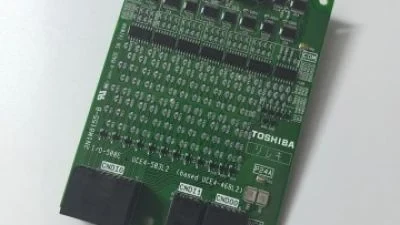
Optimizing elevator performance is crucial for ensuring smooth and efficient transportation in buildings, and utilizing the right components can make a significant difference. The I/O-500E and UCE4-503L2 expansion boards stand out as indispensable tools for enhancing Toshiba elevator systems. These products are engineered to improve signal processing and overall functionality, providing seamless integration with existing elevator technologies.
The I/O-500E expansion board is designed to enhance communication and control capabilities within the elevator system, allowing for quicker response times and more reliable operation. Meanwhile, the UCE4-503L2 expansion board complements this by expanding the system’s input and output functionalities, enabling a greater variety of operational scenarios. Both boards are brand new and original, ensuring that users receive high-quality products that are built to last.
By incorporating these advanced expansion boards, elevator operators can optimize system performance, reduce maintenance requirements, and enhance user satisfaction. The combination of the I/O-500E and UCE4-503L2 provides a robust solution for any Toshiba elevator system, paving the way for improved efficiency and reliability in vertical transportation.
FAQS
: The CPU interprets user commands and controls the elevator's movements, ensuring accurate performance and timely responses to any irregularities.
Control buttons allow passengers to select floors and often include features such as emergency stop and door open/close controls.
They may feature a digital display that provides real-time status updates of the elevator, helping users know when it will arrive.
The two main types are relay-controlled systems, which are older and slower, and microprocessor-based systems, which offer advanced functionalities and improved performance.
Microprocessor-based systems utilize advanced algorithms to optimize travel routes and reduce wait times, making them more efficient and energy-saving.
A clear layout, appropriate button size, tactile feedback, and visual indicators can enhance accessibility and make it easier for passengers to navigate the control options.
An easily accessible and distinguishable emergency button or alarm should be included to ensure passengers can call for help if needed.
Providing multilingual support on control panels can help accommodate diverse passenger needs and enhance overall user comfort.
The integration of IoT technologies and artificial intelligence is expected to enhance operational efficiency and improve passenger experience in elevator systems.
Conclusion
The "Top 10 Essential Features of an Elevator Control Panel You Should Know" explores the critical aspects that define an effective elevator control panel. Key components include various types of control systems that determine how elevators operate, as well as the crucial role display screens play in user interaction. Safety features are highlighted, ensuring that elevator operations comply with stringent guidelines to protect passengers.
Additionally, the article discusses user interface design, emphasizing the importance of intuitive control for ease of use. Communication systems within modern elevator controls are also examined, showcasing how they enhance operational efficiency. Finally, maintenance and diagnostics features are addressed, underscoring the need for regular checks to ensure reliability and safety. Overall, understanding these elements is vital for anyone involved in elevator design, installation, or management.
Related Posts
-
Elevator Control Panel Innovations for 2025 Must Have Checklist for Global Buyers
-
Resilient Growth of Chinese-Made Elevator Control Panels Amidst US-China Tariff Challenges
-
Exploring Innovations in Lift Control Panel at the Expanding International Trade Landscape of the 137th Canton Fair
-
How to Choose the Best Elevator Control Panel for Your Business Needs
-
Exploring the Benefits of Elevator Access Control Board for Modern Buildings
-
How to Choose the Right Lift Control Panel for Your Building Needs