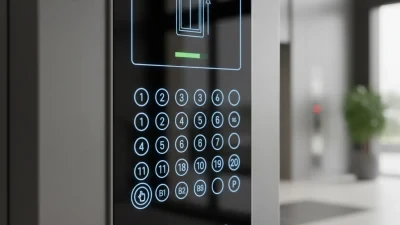
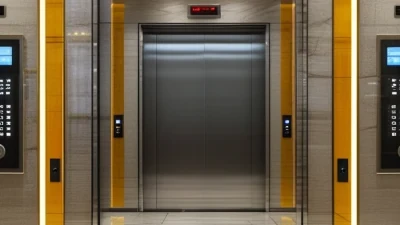
You know, the Elevator Control Panelis actually pretty important in today’s lift systems. Think of it as the control hub where passengers interact with the elevator—pressing buttons to choose their floors, that kind of thing. The design and features can really vary a lot—some panels are simple, others are quite advanced and complex.
Getting a grasp on how these panels work is pretty useful, whether you're just a regular user or someone working on maintenance. It’s not just about hitting a button and hoping for the best—lots of systems are talking to each other behind the scenes. They communicate with the motor, safety measures, and emergency systems. But let’s be honest, technology isn’t perfect—sometimes it can glitch, cause delays, or just act up unexpectedly. And that’s when we realize how important regular maintenance and updates really are.
In an industry where safety and efficiency are a big deal, it’s crucial to recognize what can go wrong. Most of us don’t really think twice about elevators until they break down or act weird. Spending some time learning about the control panel can actually boost your confidence and keep you safer. It helps make the whole experience smoother and more reliable for everyone involved.
What is an Elevator Control Panel?
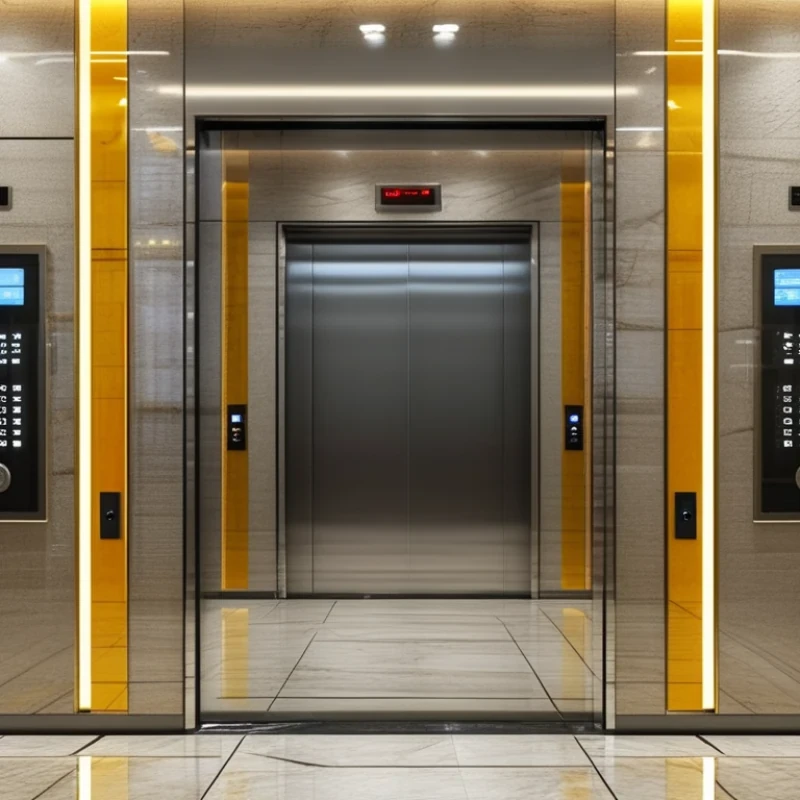
An elevator control panel plays a crucial role in the operation of lifts. It serves as the interface between the user and the elevator's mechanics, ensuring smooth and efficient use. The panel includes buttons for floor selection, emergency communication, and safety features. Its design must comply with strict safety standards, as outlined by industry guidelines.
An effective Lift Elevator Control Panel is user-friendly. According to recent studies, intuitive designs can reduce user error by 30%. Features such as tactile buttons and visual indicators improve accessibility. Data shows that about 50% of elevator malfunctions can be traced back to user misunderstanding. Therefore, investing in a well-designed control panel is essential for both safety and efficiency.
Tips: When using an elevator, pay attention to the control panel layout. Familiarize yourself with the buttons to avoid confusion. Regular maintenance of the control panel is crucial. Ensure that all indicators are functioning properly to prevent mishaps. Always report any malfunctions immediately to ensure swift repairs.
Main Components of an Elevator Control Panel
An elevator control panel is a key component in ensuring safe and efficient vertical transportation. It typically consists of buttons, indicators, and a communication system. The buttons allow passengers to select their desired floors. Indicators show the current floor and direction of the elevator. This design enhances user experience by providing clear feedback during operation.
The communication system connects the panel to the elevator’s control unit. This system relays information about the elevator's status. It can also communicate with maintenance personnel in case of emergencies. Having a responsive panel is crucial for safety. Malfunctions or unclear signals can lead to confusion. Regular inspection of these components is essential for reliable elevator performance.
Tips: Keep the control panel clean and free from obstructions. This simple action ensures that all buttons are easily accessible. Also, if you notice any issues, report them promptly. A proactive approach can prevent larger problems later on. A well-functioning control panel contributes to overall safety in the building.
How the Elevator Control Panel Processes User Inputs
Elevator control panels play a crucial role in modern buildings. They are user interfaces that allow passengers to select their desired floors. This selection triggers a series of processes that facilitate smooth elevator operation. According to a report by the Elevator Industry Association, elevators account for over 18 billion passenger rides annually in the United States alone. Such a vast network relies on the precision of control panels.
The control panel processes user inputs with remarkable efficiency. When a button is pressed, it's not just a mechanical action. The panel interprets the input and communicates with the elevator's control system. This system calculates the optimal route, ensuring minimal wait times. However, this technology is not flawless. There can be delays due to system overload, or malfunctions may occur. Technical challenges persist, especially concerning user interface design. For example, a study by the National Elevator Industry Inc. indicates that only 70% of users are satisfied with current designs, leaving room for improvement.
One critical aspect overlooked in many designs is user feedback. A responsive control panel should adapt to changing patterns in building occupancy. Yet, many systems do not offer real-time adjustments. This can lead to inefficiencies during peak hours. Recognizing these gaps is essential for future developments in elevator technology. Integrating advanced analytics could enhance decision-making, promoting a smoother user experience in busy environments.
The Role of the Control Panel in Elevator Safety Features
The control panel in an elevator is crucial for its safety features. It serves as the user interface where passengers can select floors. Each button corresponds to a specific location, ensuring accurate travel. But, safety extends beyond mere functionality. Control panels include emergency stop buttons, which can halt the elevator in case of malfunction. This quick action is vital in preventing accidents.
It’s important to know the Elevator Control Panel Parts. These include the indicator lights, floor selectors, and communication systems. The indicator lights show the current floor and direction of travel. A malfunction in any of these parts can lead to confusion or danger. Regular maintenance checks are necessary. Damaged panels can risk passenger safety.
Tips for ensuring safety include familiarizing yourself with the emergency procedures. Always check that the control panel lights are functioning. If any buttons feel loose or unresponsive, report this immediately. Remember, a well-functioning kit is key to a safe ride. With elevator safety, vigilance is essential for all users.
What is an Elevator Control Panel and How Does It Work? - The Role of the Control Panel in Elevator Safety Features
| Feature | Description | Importance for Safety |
|---|---|---|
| Control Buttons | Buttons for selecting floors and emergency operations. | Essential for user operation and immediate access to emergency functions. |
| Emergency Stop Button | A dedicated button that halts elevator movement in an emergency. | Critical for stopping potential mechanical failures and ensuring passenger safety. |
| Display Panel | Displays current floor and status messages. | Helps passengers understand the elevator's current operation mode. |
| Intercom System | Communication system for contacting building personnel in emergencies. | Essential for quick response during emergencies. |
| Key Switch | Allows access to certain controlled functions for authorized personnel only. | Prevent unauthorized use and ensures safety protocols are followed. |
| Overload Indicator | Signals when the weight limit is exceeded. | Prevents accidents caused by overloading the elevator system. |
Understanding the Communication System in Elevator Controls
Elevator control panels are complex systems that rely heavily on effective communication. The communication between the elevator's control panel and its various components is vital for safety and efficiency. According to industry reports, about 65% of elevator malfunctions are attributed to communication failures. These failures can lead to unexpected stops, slow response times, or even failures to reach the desired floor.
An effective communication system within an elevator control panel includes several elements. Typically, it employs a network of sensors and microcontrollers that work together to relay information. For instance, when a button is pressed, a signal is sent to the control panel. This prompt communication helps ensure that the elevator moves smoothly. Data shows that elevators with modern digital controls can reduce response times by up to 30%. However, older systems may still rely on outdated analog signals, leaving room for improvement.
Maintenance plays a critical role in the reliability of these systems. Regular checks are important to detect any wear on sensors or control units. However, many facilities often overlook these maintenance routines, leading to increased risks. Research indicates that around 40% of elevator malfunctions can be mitigated through proactive maintenance. This highlights the importance of addressing communication failures, which can save not only time but also enhance passenger safety significantly.
Common Types of Elevator Control Panels Used Today
Elevator control panels are essential components in modern elevators. They guide the elevator's movements and ensure safety. Today, various types of elevator control panels are utilized, each designed for specific needs. The most common types include relay-based controllers, microprocessor-based controllers, and intelligent system controllers. Each offers unique functions and efficiencies.
Relay-based controllers are simple yet effective. They use electrical relays to operate the elevator. These systems are often more affordable. However, they lack advanced features found in newer models. Microprocessor-based controllers, on the other hand, offer improved performance. They enable faster response times and integration with smart building systems. Intelligent system controllers are cutting-edge, allowing for real-time data processing. They adapt based on usage patterns, improving energy efficiency significantly.
When considering an Elevator Control Panel Price, it’s essential to analyze your specific requirements. Factors like building size and traffic patterns play a role. Investing in a quality control panel can lead to long-term savings. Focus on maintenance needs too. Regular inspections can prevent costly breakdowns. Additionally, selecting the right type can even enhance passenger experience. Each type of control panel has its advantages and limitations; understanding these will help in making an informed decision.
Elevator Control Panel Types and Their Popularity
| Types of Elevator Control Panels | Popularity (in %) |
|---|---|
| Microprocessor-Based | 40 |
| Relay Control | 25 |
| Simple Push Button | 20 |
| Smart Elevator Control | 15 |
Maintenance and Troubleshooting of Elevator Control Panels
The maintenance and troubleshooting of elevator control panels are critical for ensuring safety and efficiency in building operations. Regular inspections can prevent costly breakdowns. Data from industry reports indicate that about 30% of elevator failures stem from control panel malfunctions. By adhering to a strict maintenance schedule, property managers can significantly reduce downtime.
When troubleshooting, the first step is to check the indicators and displays. These visual cues provide immediate insights into the system's health. Many issues can be identified through simple diagnostic checks. For instance, loose wiring or circuit board damage can lead to operational failures. It's essential to document these findings for future reference, fostering a deeper understanding of the Elevator Control Panel Design.
Moreover, understanding the common failure points can enhance your approach to maintenance. Overheating components, due to poor ventilation, often go unnoticed. Technicians should focus on airflow around control panels. Regular cleaning and inspection can prevent dust accumulation, which impacts performance. Also, keeping a detailed log of repairs cultivates a knowledge base for ongoing improvements. This cycle of observation and adjustment can lead to a more efficient and reliable elevator system.
FAQS
: Elevator control panels allow passengers to select floors and trigger the elevator's operational processes.
It interprets button presses and communicates with the elevator's control system to calculate the best route.
No, they can experience delays or malfunctions, particularly during high-demand periods.
Common types include relay-based, microprocessor-based, and intelligent system controllers, each with unique features.
A responsive panel could adjust to changing building occupancy patterns, enhancing efficiency during peak usage.
Regular inspections can identify issues early on, reducing the risk of costly breakdowns in elevator systems.
Start with indicators and displays for immediate insights into the control panel's health.
Loose wiring, circuit board damage, and overheating components can lead to operational failures if not addressed.
By adhering to a strict maintenance schedule and documenting repairs, they can enhance the performance of the system.
Knowing where issues often arise helps in proactively maintaining the system for better reliability and safety.
Conclusion
An Elevator Control Panel is a crucial component that enables the operation and management of elevators. It consists of various main components, including user input interfaces, control circuitry, and communication systems that work together to facilitate smooth elevator movement. The panel processes user inputs—such as button presses—and translates these into operational commands. Moreover, it plays a vital role in ensuring elevator safety by incorporating features that prevent malfunction and accidents.
Understanding the communication system within Elevator Control Panels is essential, as it connects different parts of the elevator system and allows for efficient data exchange. There are several common types of elevator control panels used today, each tailored to specific needs and environments. Regular maintenance and troubleshooting are necessary to ensure the long-term reliability and safety of these systems, highlighting the significance of the Elevator Control Panel in everyday building operations.
Related Posts
-

Top 10 Elevator Control Panel Manufacturers from China at the 137th Canton Fair
-
Maximizing Value with Best Elevator Control Panels through Superior After Sales Support and Maintenance Savings
-
How to Use a Lift Control Panel Effectively?
-
Exploring Innovations in Lift Control Panel at the Expanding International Trade Landscape of the 137th Canton Fair
-
How to Choose the Right Lift Control Panel for Your Building Needs
-
Top China Elevator Control Panel for Global Buyers in 2026?