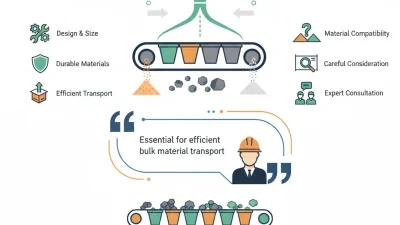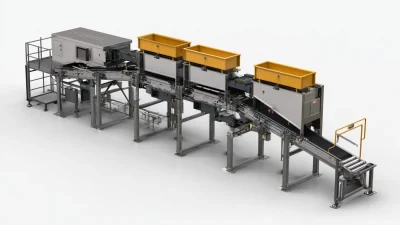
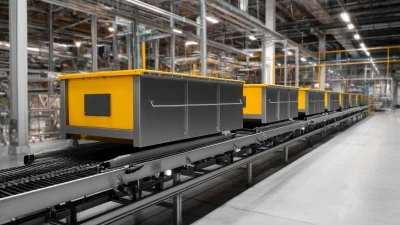
In today’s super competitive world, companies are always on the lookout for ways to work smarter and get things running more smoothly. One solution that’s been catching on lately is Conveyor Bucket systems — they’re pretty key when it comes to making material handling easier and more efficient. According to a report from Grand View Research, the global market for conveyor systems is expected to hit around USD 9.2 billion by 2025, thanks to more and more industries embracing automation. 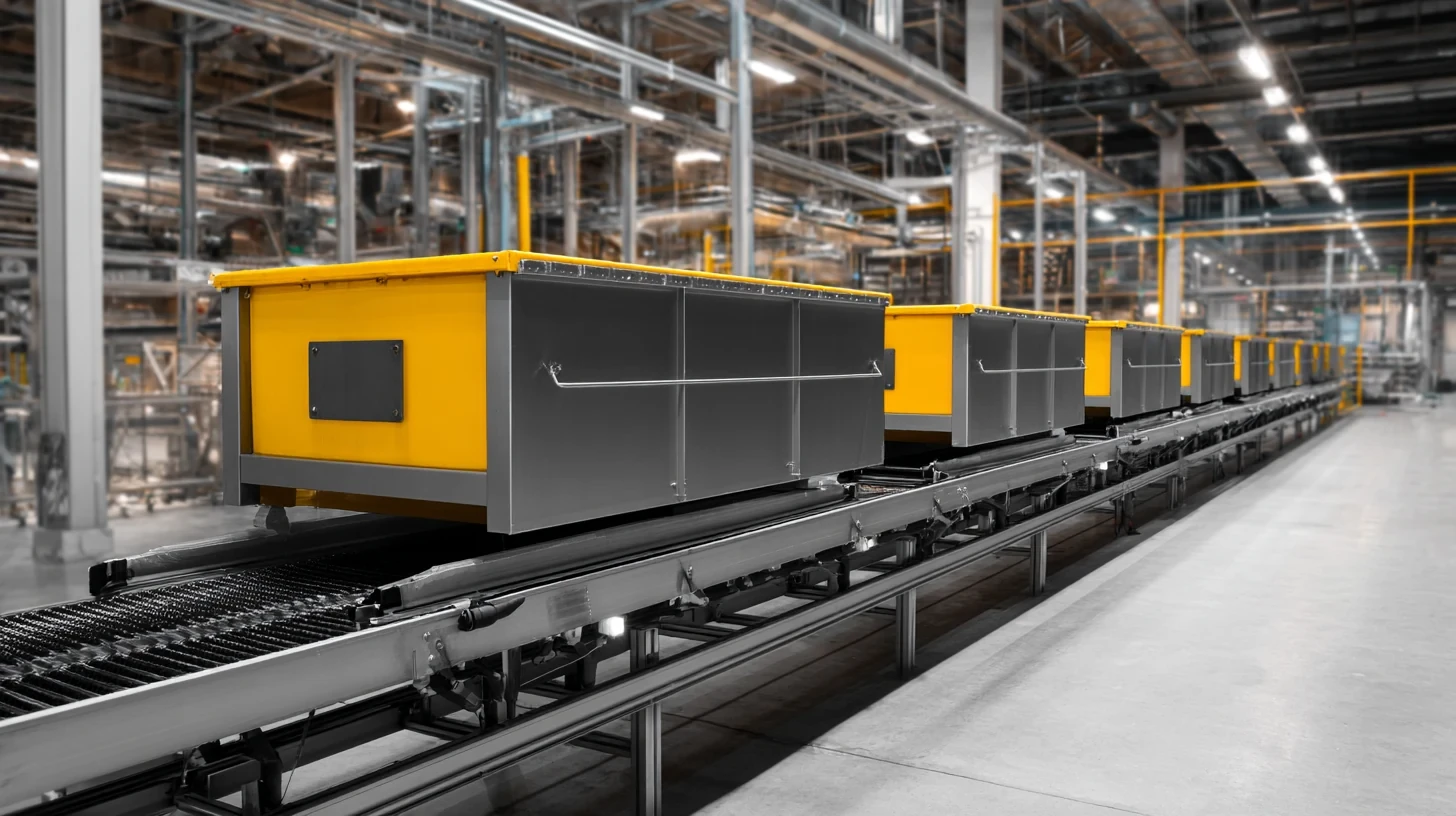 Take Zhuhai Link Industrial Co., Ltd., for example — founded back in June 2017, they’ve built a solid reputation in selling, installing, and maintaining entire elevator systems and are also hopping on the conveyor trend, with an annual sales volume of over200 units. By upgrading to advanced Conveyor Bucket systems, businesses can boost productivity and cut down on labor costs, making it an attractive option for a wide range of industry needs.
The Evolution of Conveyor Bucket Systems in Modern Industry
You know, the way conveyor bucket systems have evolved really has a huge impact on modern industry. They've made things way more efficient and helped boost productivity across many sectors. If you go back a bit, these bucket conveyors started out mostly used in agriculture, mainly for handling grains. But as technology’s advanced, their uses have exploded—now you see them in manufacturing plants, mining operations, and even food processing lines. Interestingly, a report from Technavio in 2020 predicted that the global bucket elevator market would grow around 7% each year. That just shows how much companies are leaning on this super versatile solution.
Today’s conveyor bucket systems are built with better designs and tougher materials, making them more durable and efficient. They’ve also got cool features like automated controls and sensors that make them more reliable—meaning less downtime and hassle. One study I came across from Research and Markets mentioned that companies using automated bucket conveyors saw about a 25% boost in throughput and cut labor costs by nearly 30%. It’s pretty clear that industries are moving toward smarter, more optimized operations, especially with labor shortages being a real concern these days. These systems are definitely a key part of modern factories and industries now.
Key Benefits of Implementing Conveyor Bucket Systems for Operational Efficiency
conveyor bucket systems really are game-changers when it comes to boosting efficiency in a bunch of different industries. They’re basically designed to help move large amounts of bulk materials smoothly, which means less manual labor and more getting things done, faster. Whether it’s a vertical setup or an inclined one, these systems make the best use of space and keep everything flowing nonstop — perfect for factories, warehouses, or distribution centers. Not only do they speed up the whole process, but they also cut down on downtime, so businesses can keep running at full tilt.
Plus, there’s a side benefit – safety. Automating the transfer of heavy stuff means fewer accidents and injuries that can happen when people are handling everything manually. Many of these systems are also built with features to keep spills and contamination in check, making sure everything’s transferred cleanly and efficiently. So, in the end, investing in conveyor bucket systems isn’t just about getting stuff done faster — it also creates a safer, more dependable work environment, which is pretty awesome.
Unlocking Efficiency with Conveyor Bucket Systems
| Benefit | Description | Impact on Efficiency | Potential Savings |
|---|---|---|---|
| Increased Throughput | Conveyor bucket systems can move large volumes of materials quickly, reducing bottlenecks. | Enhances productivity by up to 30%. | Estimated savings of $50,000 annually. |
| Reduced Labor Costs | Automating transport processes lessens dependence on manual handling. | Decreases labor time by up to 40%. | Potential reduction in payroll of $30,000 per year. |
| Improved Safety | Minimizes manual Lifting, reducing injury risks associated with transport tasks. | Enhances workplace safety ratings significantly. | Potentially reduces insurance costs by $10,000. |
| Flexibility in Operation | Customizable configurations allow for various materials and layouts. | Facilitates adaptability to changing operational demands. | Reduces costs related to equipment reconfiguration. |
| Consistent Flow | Stable and predictable movements enhance supply chain reliability. | Improves scheduling and inventory management. | Savings from decreased stock-out situations can reach $20,000. |
Comparative Analysis: Conveyor Bucket Systems vs. Traditional Transport Methods
You know, conveyor bucket systems are really turning into a key part of how modern material handling works these days, especially when you compare them to the old-school methods like forklifts or just doing everything manually. I came across a report from the Material Handling Industry of America (MHIA) that said companies using these conveyor systems can actually boost their efficiency by up to 40%. That’s pretty impressive, right? The reason behind this leap in productivity is pretty straightforward—they’re automated and streamlined, meaning they keep bulk materials moving almost nonstop with hardly any human effort needed.
And there's more good news. A study from the International Journal of Industrial Ergonomics points out that switching to conveyor bucket systems doesn’t just save on labor costs, but also makes the workplace safer. Handling heavy loads manually is a big cause of injuries on the job, and these conveyor buckets—designed with ergonomics in mind—help cut those risks down. In fact, companies could see as much as a 30% drop in accidents just by going with automated systems. Plus, they get a steady, reliable way to move materials without the hassle. Honestly, if you ask me, investing in conveyor bucket systems seems like a win all around—making operations smoother, workplaces safer, and ultimately helping businesses succeed in the long run.
Unlocking Efficiency with Conveyor Bucket Systems vs. Traditional Transport Methods
| Label | Efficiency (Units per Hour) |
|---|---|
| Conveyor Bucket Systems | 150 |
| Traditional Transport Methods | 100 |
How to Optimize Conveyor Bucket Systems for Maximum Productivity in Your Business
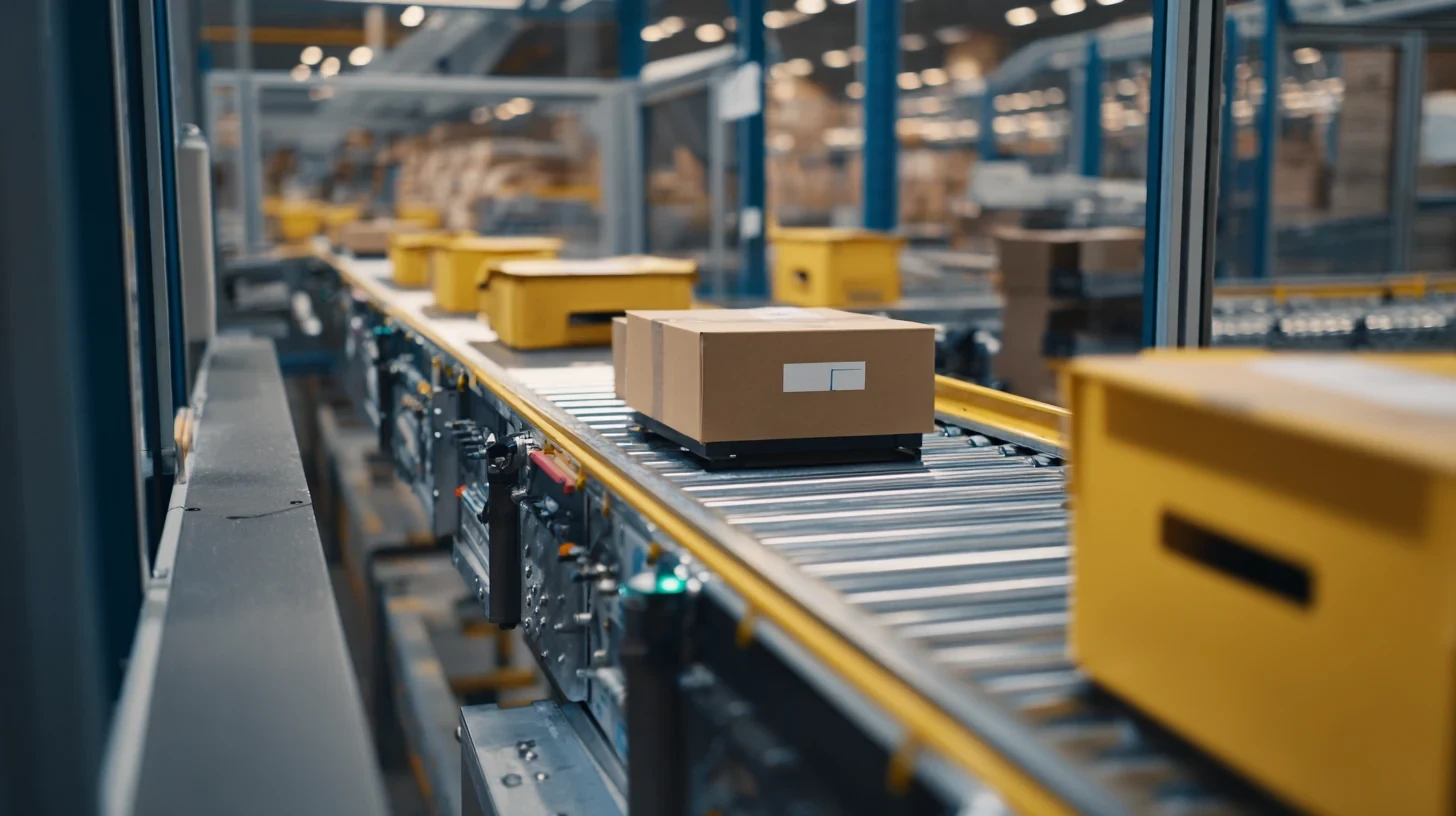 When you're looking to boost productivity in any operation, fine-tuning your conveyor bucket systems is pretty important. These systems are built to move materials efficiently—cutting down on manual handling and helping things go a bit faster. So, a good starting point is to take a close look at how your conveyor is laid out. Make sure the flow of materials is smooth—try to minimize gaps and optimize the vertical lifts. Trust me, small changes here can really cut down waiting times and give your overall efficiency a nice boost.
Tip: Don't forget to keep up with regular maintenance on your conveyor buckets. Giving your system routine checks—like belt tension, bucket alignment, and clearing out any buildup—can save you from unexpected breakdowns that could really mess up your workflow.
Another thing to keep in mind is picking the right bucket sizes and materials. When you choose buckets that suit your specific materials, loading and unloading get a lot quicker, plus you’ll be reducing wear and tear. Using lightweight but tough materials can also save some energy, which helps overall productivity too.
Tip: Make sure your team knows how to operate and handle the conveyor buckets properly. When they understand the best practices, they’ll be better at spotting issues early and fixing them before things grind to a halt. All of this adds up to a much smoother operation.
Industry Case Studies: Success Stories with Conveyor Bucket Systems
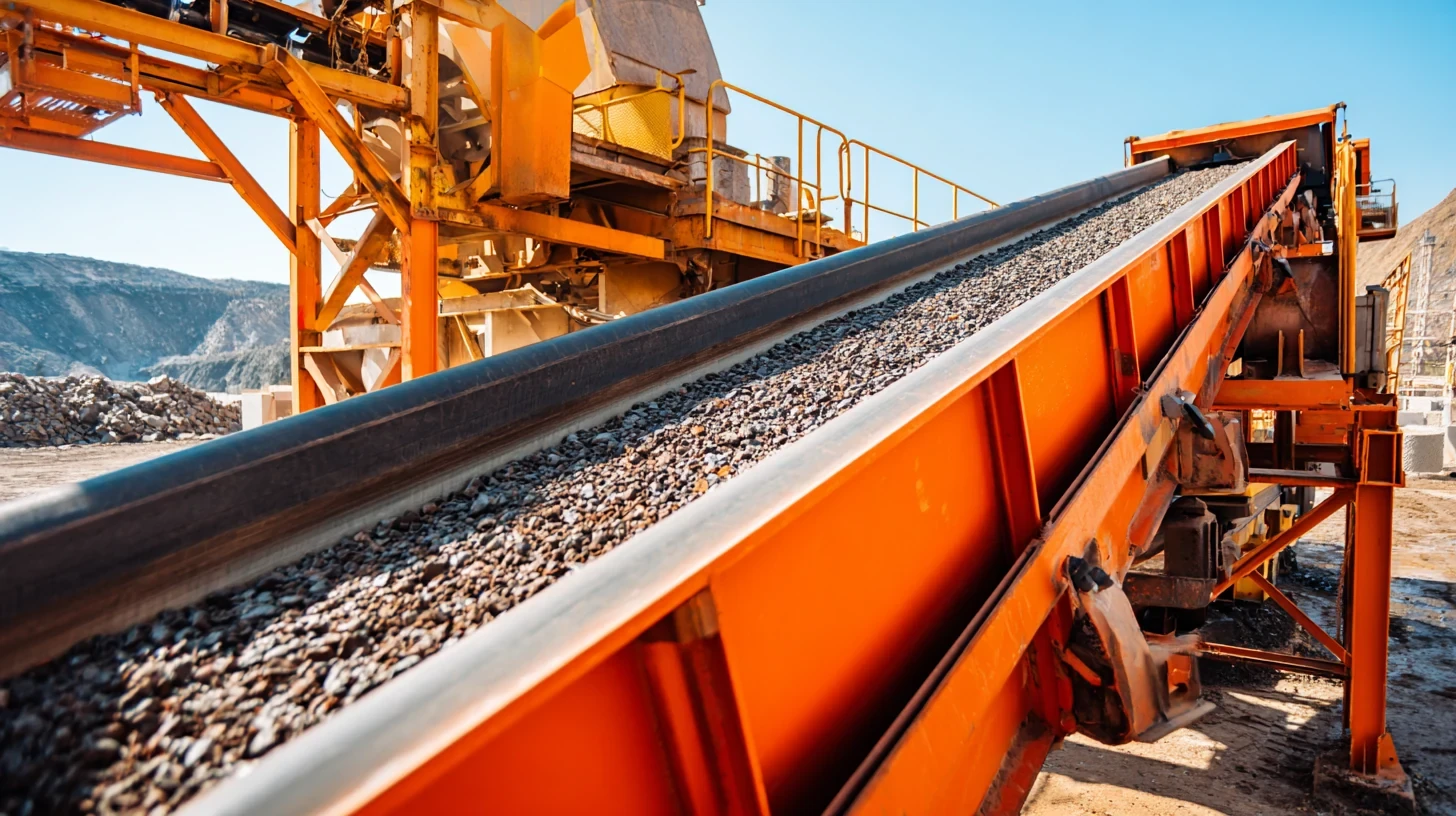
Conveyor bucket systems have really changed the game when it comes to handling materials in so many industries. They've shown off their versatility and efficiency time and time again through all kinds of success stories. Take a big mining company, for example — they had some pretty tough challenges moving materials from really remote spots over to their processing plants. Once they set up a conveyor bucket system, everything got way smoother. They managed to cut down transportation times, save on labor costs, and boost safety—all while also being kinder to the environment. Honestly, it wasn't just a small upgrade; it totally boosted their productivity and gave them the ability to operate better even in tough conditions.
And then there’s this other pretty cool story from the food processing world. A manufacturer was trying to figure out how to move products more efficiently around their plant. When they implemented conveyor bucket systems, it was like everything clicked into place — products moved smoothly from one step to the next, and they avoided those annoying bottlenecks. Plus, because handling was reduced, the quality of the products actually got better. This change didn’t just save them money, it also helped them produce more output, proving just how much of a difference these systems can make across all sorts of industries.
Future Trends in Conveyor Bucket Technology and Their Impact on Businesses
As more businesses look for ways to streamline their operations, conveyor bucket systems are really starting to stand out as a key piece of the puzzle. You can see how these systems have evolved over time, and it’s pretty clear they're part of the bigger trend toward smarter automation and AI. Basically, we’re moving into a world where supply chains are getting a lot more intelligent. For example, recent reports show that the global market for vacuum automatic heat treatment furnaces is expected to jump from about $594 million in 2024 to roughly $664 million by 2032—that’s a steady growth rate of around 1.4% annually. What does this tell us? Companies are increasingly turning to integrated tech solutions, including conveyor systems with automation baked in, to boost efficiency.
And then there’s the 2024 AI Trends Report, which paints a pretty exciting picture of how intelligence and machinery are coming together like never before. This isn’t just about making things faster or easier—it’s opening up all kinds of new possibilities in conveyor technology. Take the container shipping industry, for instance: they’re projected to ship over 8.1 million TEUs in 2024, which is a massive jump of about 268% compared to 2023. That kind of explosive growth really highlights how much companies are relying on advanced systems to keep up with the increasing logistical demands. As all these trends unfold, it’s clear that businesses need to stay flexible—adapting and making the most of these new technologies if they want to stay ahead of the game.
FAQS
: Conveyor bucket systems are designed to facilitate the seamless transportation of bulk materials, significantly reducing manual handling and increasing productivity.
They maximize space with vertical or inclined designs and allow for continuous flow, which accelerates material movement and minimizes downtime.
They are ideal for factories, warehouses, and distribution centers.
By automating the transfer of heavy materials, they significantly reduce the risk of workplace injuries associated with manual handling.
They are equipped with features that prevent spillage and contamination, ensuring clean and efficient product transfer.
A leading mining company streamlined operations by implementing a conveyor bucket system, reducing transportation time and labor costs, while also minimizing environmental impact.
The manufacturer improved product movement, reduced bottlenecks, enhanced product quality, achieved cost savings, and increased output.
They minimize labor costs and enhance productivity, leading to significant cost savings.
They improve operational capabilities by enhancing efficiency, safety, and material handling processes in challenging environments.
Investing in conveyor bucket systems not only boosts productivity but also creates a safer and more reliable working environment.
Conclusion
In today’s fast-changing industrial world, Conveyor Bucket systems are really making a difference when it comes to boosting efficiency. They bring some pretty impressive benefits, especially when you compare them to older, more traditional ways of moving stuff around. By taking a closer look at how well these systems work, businesses can discover new ways to get more done and make operations smoother. Plus, these systems can be customized to fit each company's unique needs, which means more output and less downtime—that’s a win-win, right?
There are plenty of success stories out there that show just how much of a game-changer Conveyor Bucket systems can be. They’re helping companies grow and become more efficient across different industries. Looking ahead, new tech and improvements in conveyor buckets are likely to totally change the game—driving innovation and opening up new possibilities. At Zhuhai Link Industrial Co., Ltd., we really get how powerful these solutions can be. We’re here to help businesses by providing sales, installation, and ongoing support for Conveyor Bucket systems, because we know that staying ahead in this competitive market is all about having the right tools—and we want to be part of your success story.
Related Posts
-
Challenges Faced by Global Buyers When Sourcing the Best Conveyor Buckets
-

7 Essential Elevator Parts Every Global Buyer Must Know
-

Elevator Door Sensor Innovations Shine at 2025 Canton Fair with Record International Participation
-

Maximizing Value with Best Elevator Control Panels through Superior After Sales Support and Maintenance Savings
-

7 Compelling Reasons to Choose the Best Elevator Switch for Your Projects
-
Elevating Standards: How China's Best Lift Control Panel is Winning Global Markets with Quality