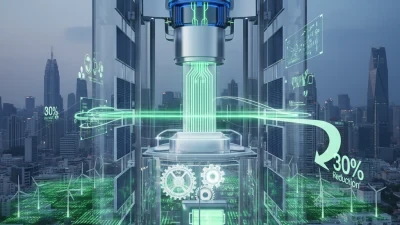
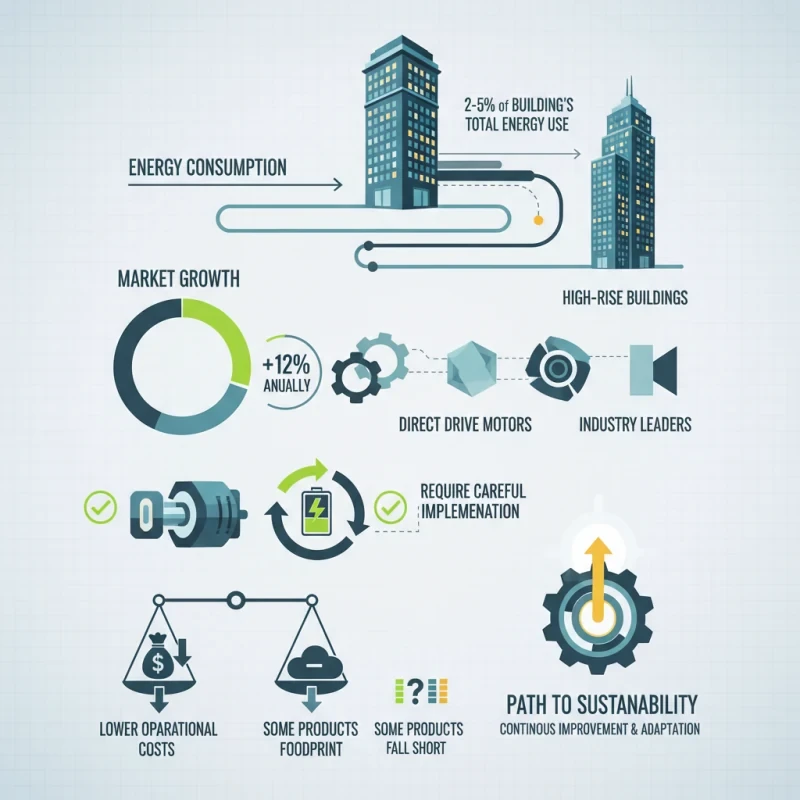
Lately, there's been a big push towards making buildings more sustainable, and one of the coolest developments has been the rise of Energy-Saving Elevator Motors. These little marvels help cut down on energy use and make elevator operation way more efficient. Did you know that, according to the International Energy Agency, elevators can actually eat up about 2-5% of a building’s total energy? And in tall skyscrapers, that number can really jump—sometimes even double! That puts a lot of pressure on developers to get on board with energy-friendly tech.
Looking ahead, by 2026, the market for these energy-saving motors is expected to grow by around 12% each year. Big names like OTIS, KONE, and Schindler are leading the charge with some pretty exciting innovations. Not only do these advancements promise to lower ongoing costs, but they also help shrink the overall carbon footprint. But gotta admit, not every energy-saving gadget lives up to its hype. Sometimes, products promise the world but fall a bit short, which of course makes people a little wary.
So, it’s really important to take a good look at the different tech used in these motors. For instance, Direct Drive Motors and Regenerative Drives sound promising, but they need to be implemented carefully to really work their magic. The road to true sustainability isn’t simple – it’s about continuous tweaks, improvements, and staying open to new ideas. As the industry keeps evolving, making energy efficiency a top priority is key if we want to stay ahead in the game of smarter, greener buildings.
2026 Trends in Energy Saving Elevator Motors: An Overview
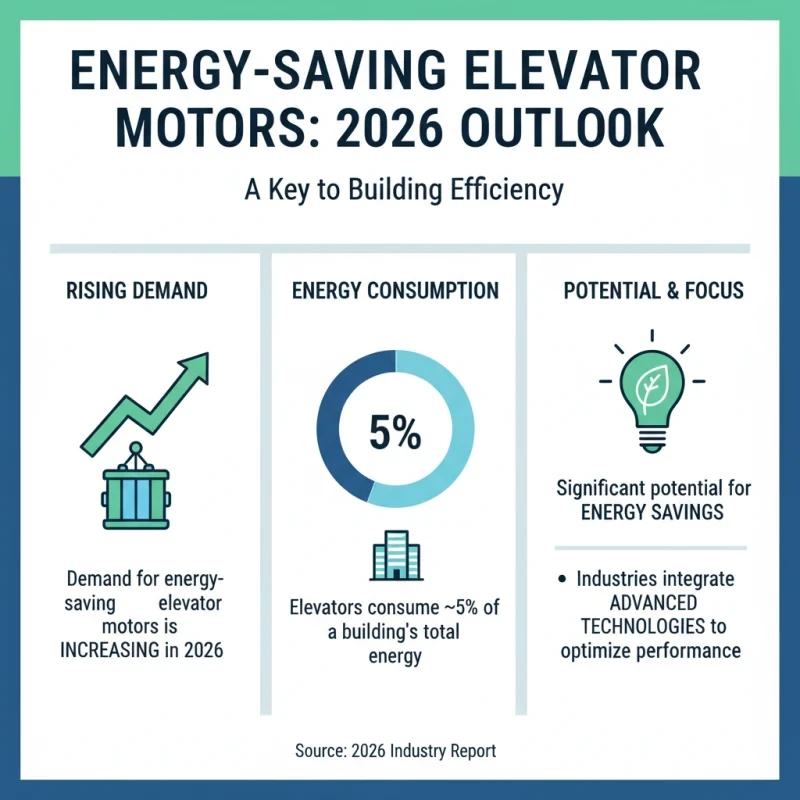
The demand for energy-saving elevator motors is rising in 2026. A report shows that elevators consume about 5% of a building’s energy. This figure indicates a significant potential for energy savings. Many industries are now focused on integrating advanced technologies to optimize elevator performance.
Trends show that the Best Energy-Saving Elevator Motor designs are becoming more efficient. For example, regenerative drives can recover energy during braking. These systems can reduce energy costs by up to 30%. However, not all installations benefit equally. Some buildings may still rely on outdated systems, which miss out on these advancements.
Smart motors are being developed with IoT capabilities. These motors can report energy usage in real-time. The data helps facility managers to take informed actions. Yet, the initial investment remains a concern for many. Cost barriers can slow down adoption significantly. Businesses must weigh short-term costs against long-term savings when choosing to upgrade.
Key Features of High-Efficiency Elevator Motors for Energy Savings
Elevator motors play a crucial role in energy efficiency. High-efficiency motors can reduce energy consumption by up to 50%. This feature is essential for buildings aiming for sustainability. Modern designs incorporate advanced technologies. These advancements often lead to significant savings on electricity bills. Some models even offer regenerative capabilities. This allows them to capture and reuse energy.
Key features include variable speed drives. This technology allows elevators to adjust their speed based on demand. It minimizes unnecessary energy use. Another aspect is their lightweight construction. Lighter motors not only save energy but also reduce wear and tear. Data from industry reports indicates that the energy-saving potential is substantial. Upgrading to a Famous Energy-Saving Elevator Motor can lead to a shorter payback period.
However, not all high-efficiency motors are perfect. Some may require specialized maintenance. Their initial costs can be higher than traditional models. It's essential for building managers to weigh these factors carefully. Energy efficiency is a priority, but practicality should not be overlooked. More research and clearer data can help in making informed decisions. Striking a balance is key for maximizing both performance and savings.
Comparative Analysis of Energy Consumption: Traditional vs. Modern Motors
When comparing energy consumption, traditional elevator motors often fall short. They typically consume more power, especially in older systems. These motors frequently operate inefficiently. This leads to higher energy bills and a larger carbon footprint. Many buildings still rely on these outdated technologies.
In contrast, modern elevator motors are designed with efficiency in mind. They often utilize advanced technology to minimize energy usage. Some models offer regenerative capabilities, which capture energy during the descent of the elevator. This can significantly reduce overall energy consumption. However, not all modern motors are the same. Some still lack optimization features, making it essential to choose wisely.
Transitioning from traditional to modern motors isn’t always straightforward. Costs can be a barrier, and installation may disrupt daily operations. Additionally, building owners must consider the longevity and durability of these new systems. It's vital to reflect on whether the potential energy savings truly justify the costs involved. Each option has its strengths and weaknesses.
2026 Energy Consumption Comparison: Traditional vs. Modern Elevator Motors
| Motor Type | Energy Consumption (kWh per month) |
|---|---|
| Traditional Motors | 1200 |
| Modern Motors | 700 |
Industry Standards and Regulations for Energy Efficient Elevators
The push for energy efficiency in elevator design has become increasingly vital. Industry standards now highlight the necessity for High-Quality Energy-Saving Elevator Motors. These motors consume less power and reduce operational costs significantly. Regulatory bodies encourage manufacturers to innovate. However, many still lag in adopting these advancements.
Regulations often set benchmarks for energy use, aiming to lower emissions. Operators need to understand these standards. Compliance can improve building ratings and reduce energy consumption. Yet, some elevators still use outdated motors, which are inefficient. This discrepancy raises concerns about sustainability and future regulations.
Quality assurance methods are now essential for motor performance. Regular audits and testing can identify inefficiencies. Some companies are struggling to meet these compliance measures. They must address their shortcomings. In this evolving landscape, embracing energy-efficient solutions remains critical.
Case Studies on Cost Savings from Energy Efficient Elevator Motors
Energy-efficient elevator motors can significantly reduce operational costs. These motors consume less power, which leads to lower electricity bills. In recent case studies, buildings have reported a 30% reduction in energy usage after upgrading to these advanced motors. An office building, for example, saw annual savings of thousands of dollars. Such savings can be vital for property owners.
However, not all retrofits lead to immediate savings. Some installations might face initial hiccups. For instance, improper sizing of motors can lead to inefficiencies. In one instance, a building spent more on its electric bill after switching motors. This highlights the importance of careful selection and proper installation. Ensuring you have a qualified technician can help avoid these pitfalls.
Moreover, while the upfront cost may seem high, the long-term benefits are compelling. Over time, these motors pay for themselves through savings. In addition, they contribute to environmental sustainability. This balance of potential risks and rewards needs thorough investigation. As buildings push for sustainability, the transition to energy-efficient solutions must be approached thoughtfully.
Innovations in Motor Technology: Enhancing Efficiency and Sustainability
In recent years, motor technology has seen significant innovation. Energy-saving elevator motors are at the forefront. They offer enhanced efficiency and sustainability, with design improvements focusing on reducing power consumption. Many elevator systems now integrate advanced sensors. These sensors optimize energy use based on demand.
The push for sustainability has prompted a reevaluation of traditional manufacturing practices. An Energy-Saving Elevator Motor Factory may employ eco-friendly materials. However, there are still challenges in scaling these processes. Quality control can sometimes be an afterthought, leading to inefficiencies. Future innovations must address these pitfalls to truly make a difference in urban transport.
Battling inefficiencies is crucial as cities grow. Striking a balance between cost and sustainability remains a hurdle. These energy-saving solutions should not only diminish energy usage but also enhance user experience. As technology continues to evolve, the need for robustness and reliability in design becomes paramount. More thoughtful approaches in design and production can drive the industry forward.
Future Prospects: The Role of Smart Technologies in Elevator Efficiency
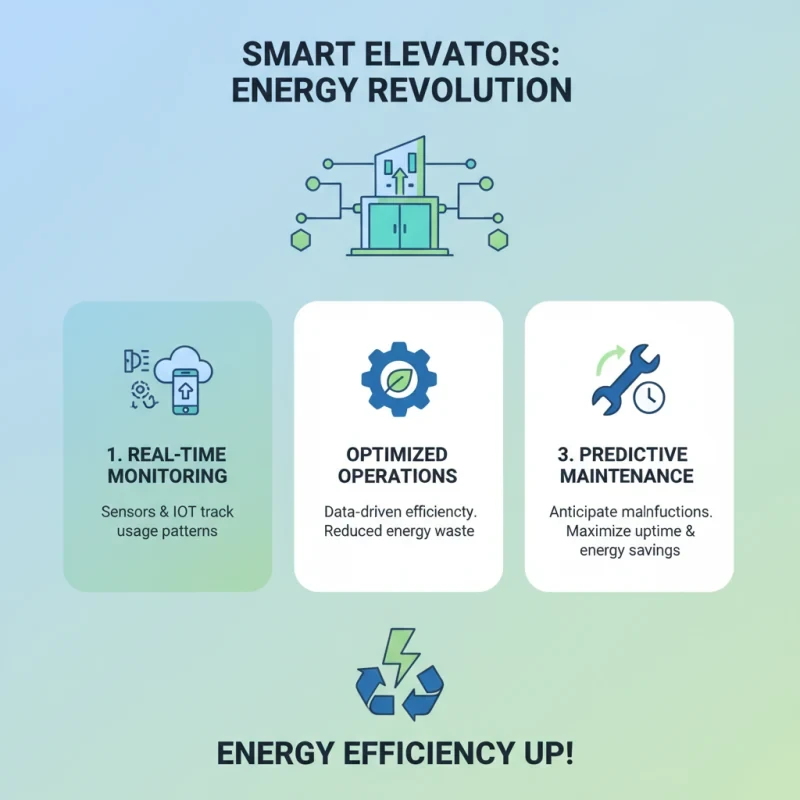
Smart technologies are revolutionizing the elevator industry, significantly enhancing energy efficiency. Sensors and IoT devices enable real-time monitoring of usage patterns. This data helps optimize elevator operations, reducing energy waste. For instance, predictive maintenance can alert operators before malfunctions occur. It minimizes downtime and conserves energy.
Moreover, energy-efficient motors are now equipped with advanced algorithms. These algorithms adapt to user demand dynamically. Elevators use less power during low-traffic periods. They seamlessly switch to eco-mode when not in use. Yet, integrating these technologies isn’t without challenges. The initial costs can be high, deterring some property owners. Training staff to manage these systems effectively also requires time.
Ultimately, the future of elevators is tied to these intelligent systems. They promise to create a more sustainable urban environment. However, the transition isn't perfect, and ongoing evaluation is essential. Industry players must remain adaptable as technology evolves. Efficient elevators can reduce carbon footprints significantly, but each step requires careful consideration.
Elevate Communication with the MCTC-HCB-D630 Outbound Call Display Board for Monarch System Elevator Parts
In the realm of elevator communication, clarity and efficiency are paramount. The MCTC-HCB-D630 Outbound Call Display Board serves as an innovative solution that enhances user experience for Monarch system elevator parts. With its sleek design and intuitive interface, this display board ensures that passengers can easily receive essential information during their ascent or descent. The installation is straightforward, making it an excellent addition to any Monarch elevator system.
At an affordable price of $19 per piece, this product is not only cost-effective but also crucial for maintaining smooth operations within elevators. By providing real-time updates and notifications, the MCTC-HCB-D630 board reduces confusion and enhances safety for all riders. Its reliable performance supports the efficient functioning of elevator equipment, reflective of the modern demands of both residential and commercial buildings. Investing in such communication tools assists in fostering a seamless interaction between the elevator system and its users, ultimately elevating the overall transportation experience.

FAQS
: Think about resources, time, and potential risks. Ensure you have a clear plan.
Use a planner. Set daily goals and prioritize tasks. Avoid distractions as much as possible.
Practice mindfulness or take breaks. Physical activity can also help manage stress. Reflect on what triggers your stress.
Feedback fosters growth. It helps improve both the project and relationships. Reflect on how you give and receive feedback.
Poor communication can derail projects. Overlooking details or misestimating time are also frequent issues.
Focus on small wins. Remind yourself of the bigger picture. It's okay to feel unmotivated sometimes.
Conclusion
The article "2026 Top Energy Saving Elevator Motors You Should Know" presents a comprehensive overview of the latest trends in energy-saving elevator motors, highlighting their key features and the advantages they bring over traditional models. A comparative analysis demonstrates the significant reductions in energy consumption achieved by modern high-efficiency elevator motors. Alongside an examination of industry standards and regulations, the piece offers insightful case studies showcasing the cost savings that businesses can realize through the adoption of energy-saving elevator motors.
Furthermore, it delves into innovative technologies that enhance motor efficiency and sustainability, emphasizing the growing role of smart technologies in the future of elevator systems. As buildings aim to reduce their carbon footprints and operational costs, energy-saving elevator motors are positioned to play a pivotal role in advancing efficiency and promoting sustainable practices in the built environment.
Related Posts
-
Elevate Your Business with Premium Energy Saving Elevator Motors from China to the World
-
2026 Best Famous Energy Saving Elevator Motor Manufacturers Overview?
-
Understanding Elevator Switch Technology: Enhancing Safety and Efficiency in Modern Lifts
-
7 Essential Tips for Choosing the Best Elevator Repair Service Worldwide
-

Elevator Wall Protection Pads: Essential Guide to Choosing the Right Type for Your Needs
-
2026 Top Tips for Elevator Repair Services You Need to Know?